Đang tải… / Loading…
Đang tải… / Loading…
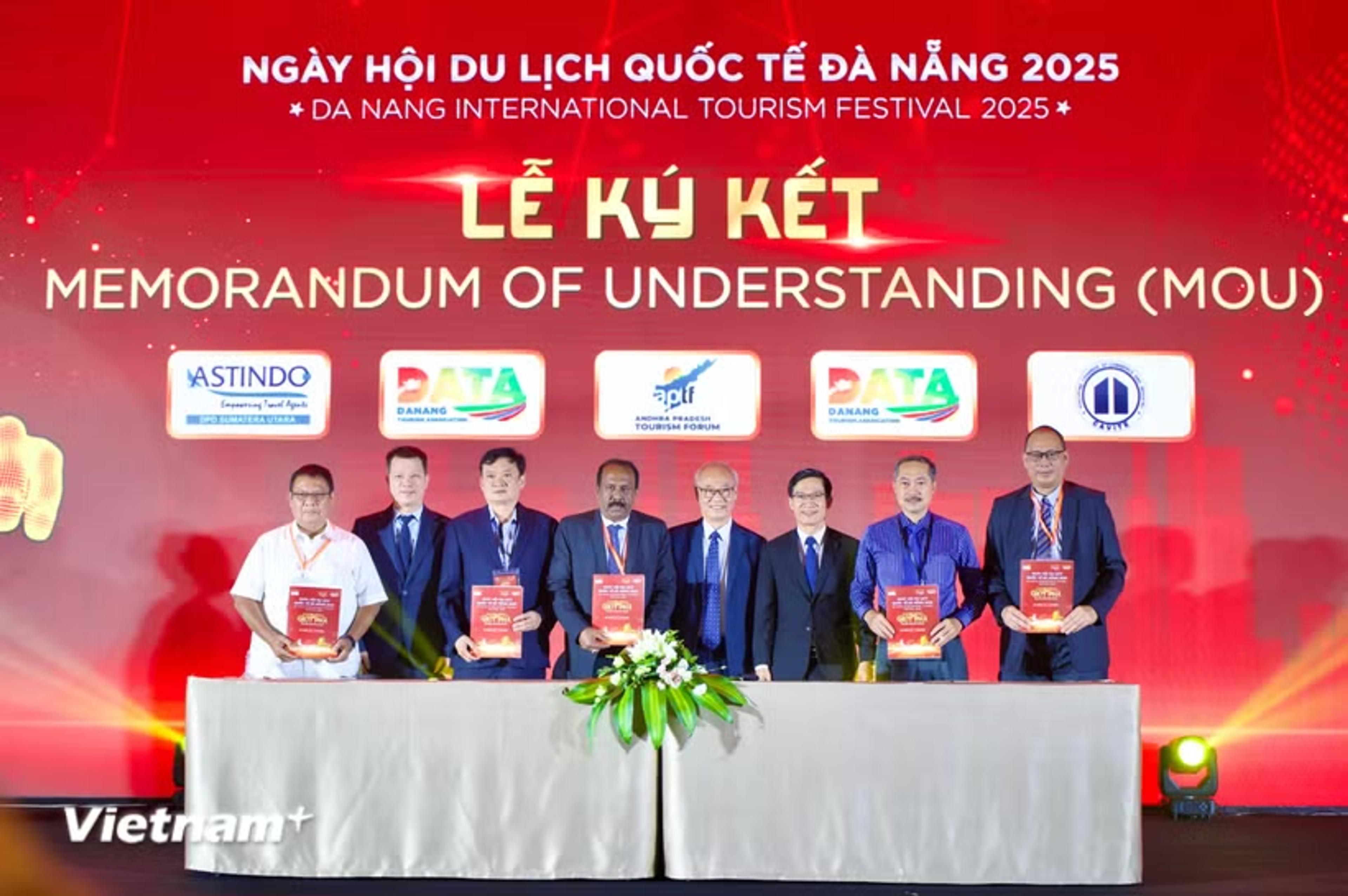
At tourism promotion events, an MOU signing is usually the most visible moment: representatives of both sides step onto the stage, documents are exchanged, photos are taken and a message of cooperation is announced.
But at an event focused on trade like DITF, the signature should be seen only as a starting point.
The value of an MOU does not lie in how ceremoniously it is signed, but in a very practical question that follows: what will the two sides do together, and over what timeframe, to turn the commitment into products, bookings and real visitor flows?
That is also how the spirit of “Connecting Partners, Creating Future” should be understood. Connections only matter when they go on to generate action. And the “future” only truly takes shape when those actions are carried through to the end.
It is not hard to write commitments such as “strengthening cooperation”, “stepping up promotion” or “developing markets”. What is harder is turning those commitments into a plan with someone in charge, deadlines and results to be achieved.
If the two sides agree to develop a new market, the MOU needs to go further than stating a shared goal. The agreement should clearly set out which products are prioritised, which customer groups are targeted, which partners need to be approached and which milestones must be met.
For example, the first 30 days could be used to finalise the product set and the cooperation policy. The next phase would be to organise site inspections, work with buyers, test operational capacity and start trial sales programmes.
At that point, the MOU is no longer a document expressing goodwill. It becomes a shared working framework that lets the two sides start implementing straight after the event.
This is very important for DITF, because the value of the event should not end on the last day of the programme. Every MOU should go on to generate a chain of actions.
In tourism, many partnership decisions cannot be made on the strength of a brochure, a presentation or a short meeting alone.
Buyers need to see the product.
They need to experience first-hand the hotels, the destination, the transport options, the capacity to serve groups, the conference facilities, the food, or specialised products such as golf, weddings and wellness, before deciding whether to put that product into their sales programmes.
That is why the famtrip should be seen as one of the most concrete action steps after an MOU.
An agreement saying the two sides will “jointly develop the Korean market” is still rather broad. But if it comes with a plan to invite a group of Korean tour operators to inspect the products in a specific quarter, the objective becomes much clearer.
A famtrip helps both sides test a whole range of questions that no document can answer: is the product really a good fit, is the price competitive, is the itinerary feasible, which services need adjusting and which experiences could stand out in the market?
In other words, the famtrip is when a commitment starts being tested in the real world.
After the inspection, the most anticipated outcome is not a nicer report, but a product that can be brought to market.
That might be a beach holiday combined with golf for Korean travellers, a long-stay wellness journey for travellers from Russia and the CIS, a wedding package for the Indian market, a MICE programme combined with leisure, or a Da Nang – Hoi An – Hue linked route designed specifically for one group of travellers.
Once a product has a concrete itinerary, price, operating conditions and distribution channels, the MOU starts turning into commercial value.
This is also a yardstick for judging the quality of a partnership agreement.
A good MOU does not just open one more relationship. It must help the parties create something that did not exist before: a new product, a new market, a new distribution channel or a new way of reaching customers.
If, after the signing, no product has changed, no market has been opened and no activity has been rolled out, it is hard for the MOU's value to go beyond publicity.
The ultimate goal of most commercial cooperation in tourism is still to bring visitors to the destination.
That is why bookings are one of the clearest tests of an MOU with a business objective.
It does not have to be a big contract straight away.
A trial booking already has value: a first group, a MICE group, a wedding group, a small series booking or a pilot tour for a new market.
The first bookings let both sides test all their initial assumptions. Does the product suit the travellers? Is the selling price competitive? Are operations stable? How do guests respond? Does the distribution partner want to keep selling?
It is the data from those first bookings that helps the two sides decide whether to expand their cooperation.
From this angle, bookings do not just generate revenue. They are the market evidence showing whether the MOU is heading in the right direction.
One reason many partnership agreements lose momentum is that everything moves very fast on signing day, but a clear implementation rhythm is missing afterwards.
The event ends.
Companies go back to their day-to-day work.
Emails go unanswered.
The inspection trip is postponed.
A few months later, both sides remember that they once signed an MOU, but no longer know clearly what the next step is.
That is why the follow-up timeline should be treated as part of the agreement itself.
In the first week after DITF, the two sides can confirm their contact persons and priorities. In the first month, the product set and cooperation terms need to be finalised. Over the following two or three months, a famtrip or pilot programme can be rolled out. After six months, the two sides need a review milestone to see what has been achieved and what comes next.
When every phase has a deadline, the MOU is far less likely to be “forgotten”.
More importantly, a timeline turns an agreement in principle into a process that can be tracked and measured.
If DITF wants to build its role as a long-term networking platform, the yardstick for MOUs must also stretch beyond the duration of the event.
The number of signings only reflects the initial level of interest.
The more important indicators come later: how many MOUs have a concrete action plan, how many famtrips have taken place, how many products have been built, how many first bookings have been recorded and how many agreements are still being implemented after six months or a year.
This is also where the Association's role can go beyond creating opportunities for the two sides to meet.
The Association can act as a bridge that keeps up the follow-up rhythm, tracks key agreements, helps resolve obstacles and creates more room for partners who met at DITF to keep working together.
If that can be achieved, the value of DITF will not be confined to the two days of the event.
It will keep being created for many months afterwards.
“Connecting Partners, Creating Future” only truly means something when “Connecting” does not end with a handshake and “Creating Future” does not stop at a promise.
A good MOU must create a roadmap.
That roadmap can begin with an action plan, continue with a famtrip, take concrete shape as a product, be validated by the market through bookings and be sustained by a clear follow-up timeline.
When these links are joined together, a signing ceremony truly becomes a starting point for growth.
And then the question worth asking at DITF is no longer “how many MOUs were signed?”
But rather:
“After those signatures, how many new products have been sold, how many groups of visitors have arrived, and how many partnerships are still creating value?”
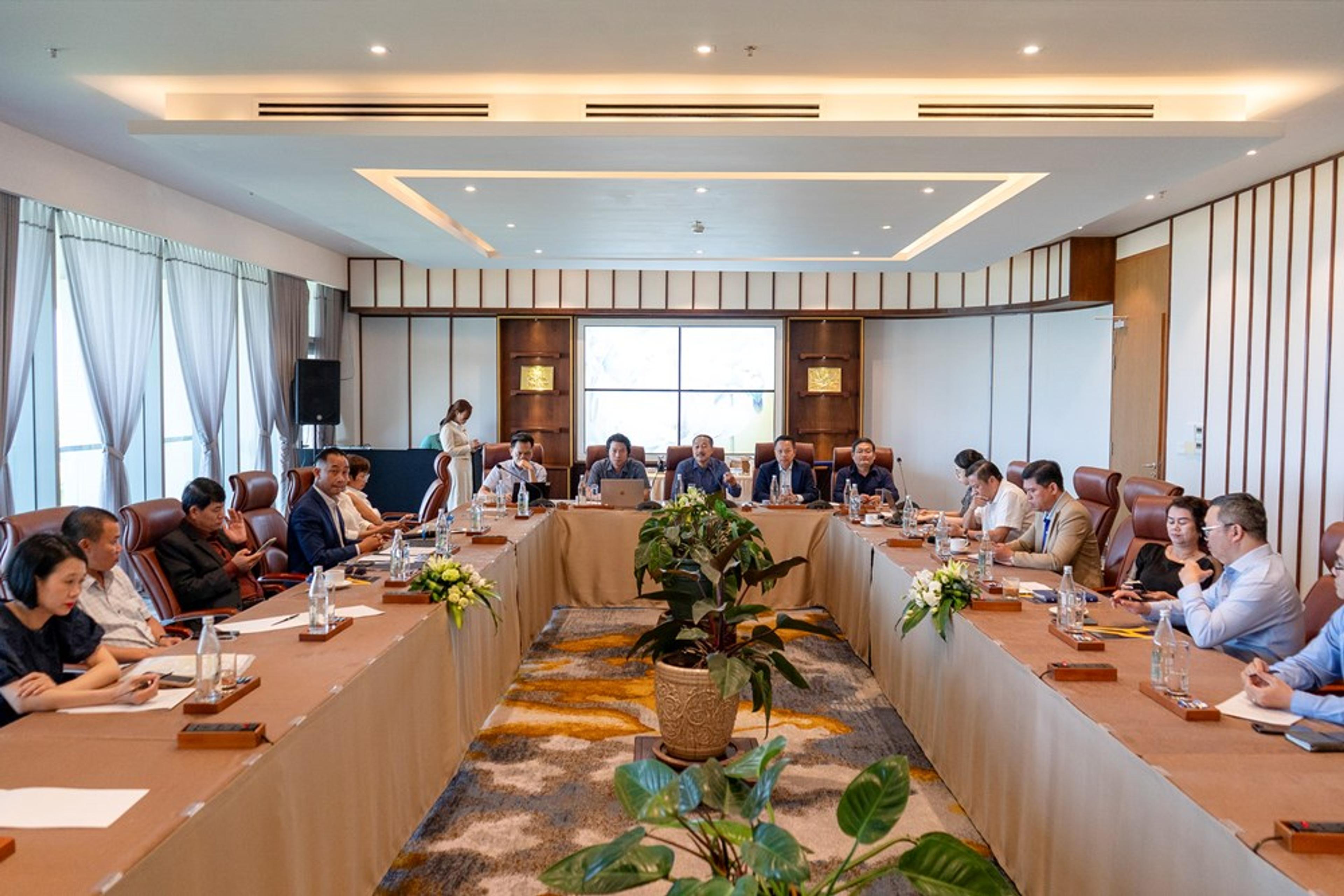
At DITF 2026, the value of cooperation memoranda is judged by how well commitments are turned into action plans and concrete business results.
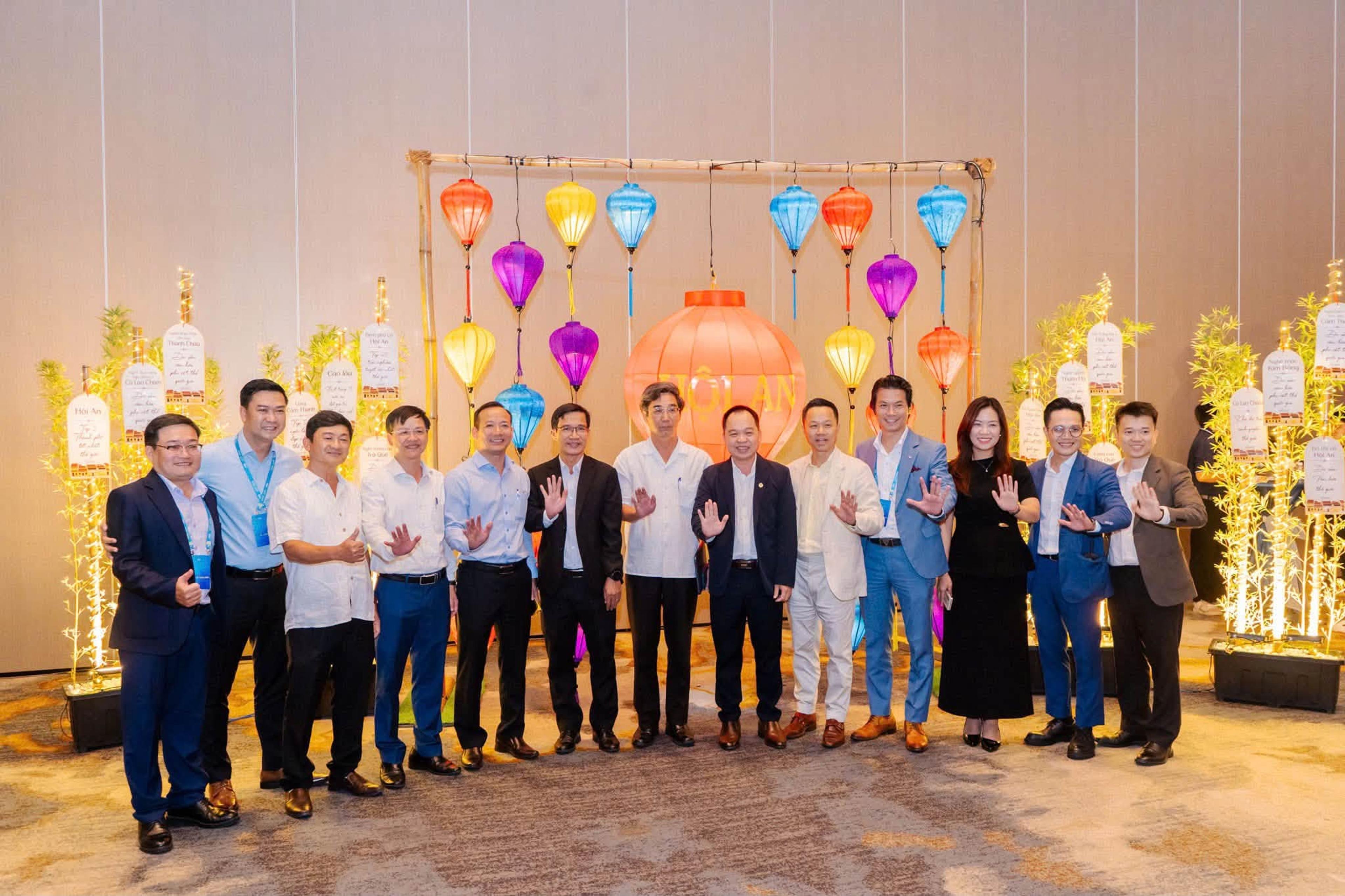
DITF 2026 Day 1: Connecting International Trade, Boosting Da Nang Tourism
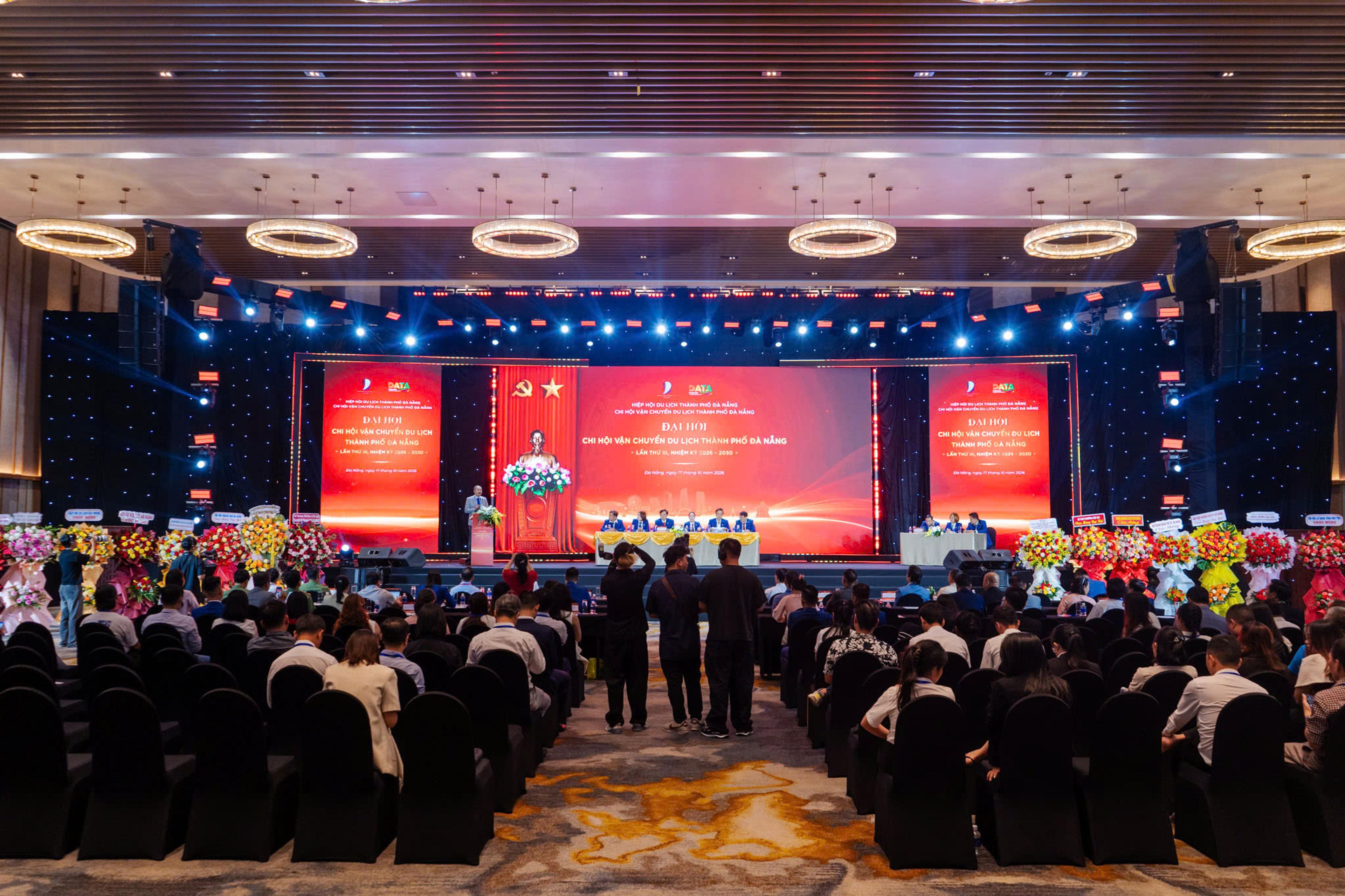
DITF 2026 opened on 17 October at Ariyana Convention Centre Danang, bringing together more than 300 suppliers, 150 international buyers and 400 domestic buyers.