Đang tải… / Loading…
Đang tải… / Loading…
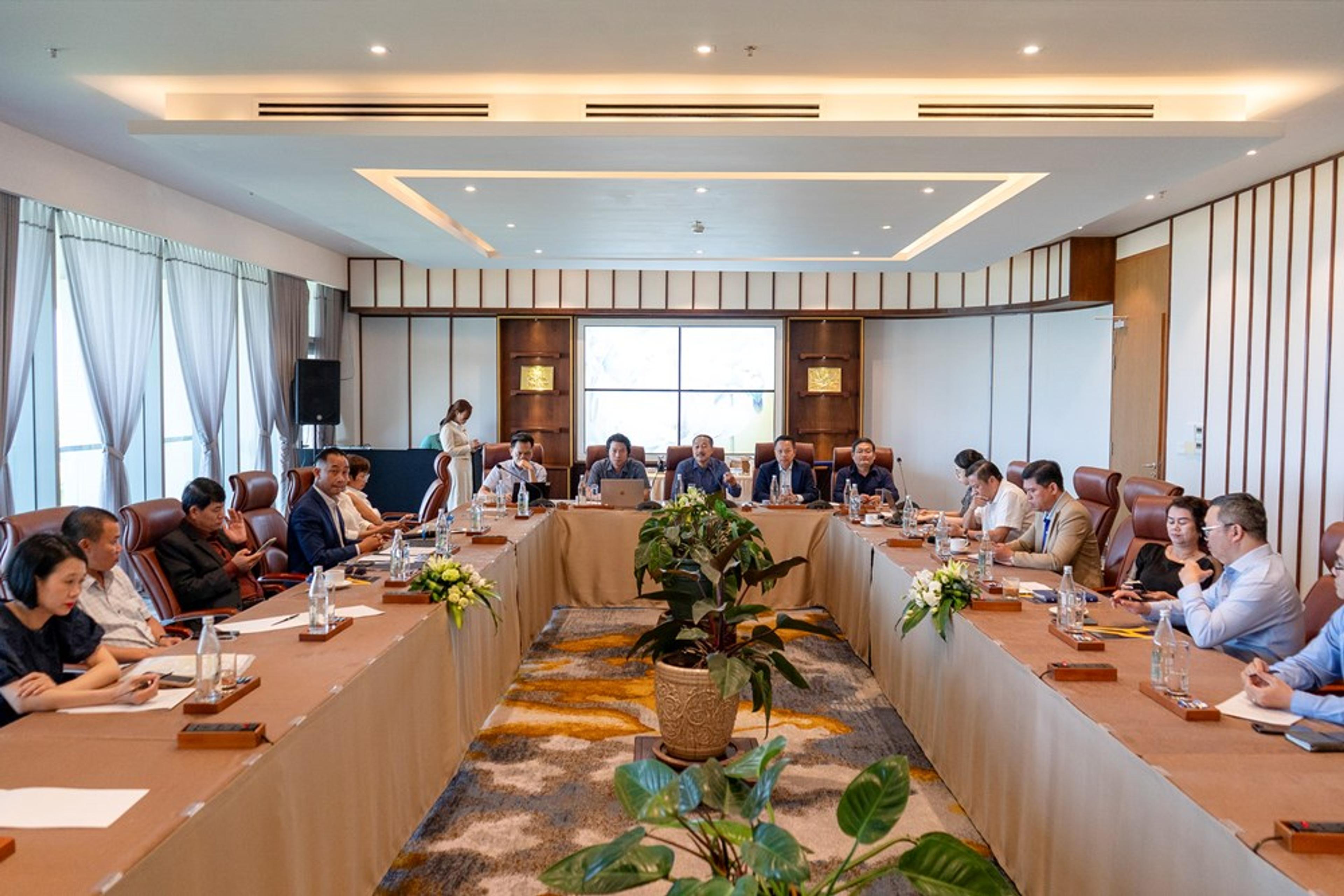
A cooperation signing ceremony not only marks agreement between partners but also opens up opportunities to develop products, expand markets and attract visitors. At the Da Nang International Tourism Festival 2026 (DITF 2026), the value of cooperation agreements is judged by how well commitments can be turned into concrete action programmes and business results.
At tourism promotion events, cooperation signing ceremonies are often among the activities that draw the most interest from the business community. The handshakes between company representatives not only express goodwill but also mark the starting point for developing products, expanding distribution networks and reaching new source markets.
Yet for an agreement to truly deliver value, what matters is not only the signing itself but also the activities that follow.
This is also one of the notable perspectives as the Da Nang International Tourism Festival 2026 (DITF 2026) takes place from 16 to 19 October 2026 at Ariyana Convention Centre Danang.
Organised by the Da Nang Tourism Association in collaboration with HORECFEX Vietnam, DITF 2026 is an annual international tourism trade event that enables tour operators, hotels, resorts, service providers and international partners to meet face to face, present their products and look for cooperation opportunities.
Under the message “Connecting Partners, Creating Future”, the event aims to foster partnerships capable of delivering long-term value for businesses and the destination.
Within this, memoranda of understanding (MOUs) can serve to set out shared directions between the parties, laying the groundwork for further discussions and the rollout of specific programmes.
For the tourism industry, an effective cooperation agreement can be the starting point for building new tour routes, organising destination inspection programmes, expanding distribution channels or bringing more international groups to Da Nang in the coming seasons.
Commitments such as strengthening cooperation, stepping up promotion or developing markets often appear in memoranda between businesses. They are an important basis for the parties to define common goals and express their wish to work together.
However, for these directions to be implemented effectively, drawing up a specific action plan is the next step that deserves attention.
For example, when a Da Nang accommodation provider signs an MOU with an international tour operator to develop the Korean market, the two sides can go on to define the target customer segments, suitable resort products, pricing policy, promotional channels and an expected implementation timeline.
In the initial phase, the parties can agree on a product portfolio, set cooperation terms and prepare sales materials in the language of the target market. Later phases can focus on service inspections, finalising tour programmes and launching sales.
When tasks are clearly assigned in terms of responsibility and deadlines, an MOU not only expresses a direction for cooperation but also becomes the basis on which the organisations coordinate implementation.
For DITF 2026, this approach helps extend the value of trade networking, encouraging businesses to keep up the dialogue and develop their partnerships after the event ends.
In tourism, learning about a product from brochures or short meetings is often not enough for a tour operator to decide to add a new service to its programmes.
Partners need to experience first-hand the quality of accommodation, the service system, transport options, hosting capacity, event facilities and the destination’s highlights.
That is why tourism inspection programmes, also known as famtrips (familiarisation trips), can play an important role in implementing cooperation agreements.
These are on-the-ground trips for representatives of tour operators, distributors or potential partners to learn about products, assess service quality and evaluate whether a tour programme can be brought to market.
For example, a Korean tour operator looking for golf products in Central Vietnam may need to inspect golf courses, hotels, resorts, transport services and complementary experiences in person before deciding to build a programme for its customers.
Likewise, partners specialising in corporate events, incentive travel or destination weddings combined with a holiday also need to assess the venues, service capacity and facilities at the destination on the ground.
Through inspection visits, both sides can discuss market needs in greater depth, identify issues that need adjusting and refine products before taking them to market.
At DITF 2026, alongside direct B2B networking sessions, a service inspection programme for international travel partners is also part of the event. It allows partners not only to learn about products through meetings but also to experience Da Nang as a destination first-hand.
This is one of the steps that can help bring initial discussions closer to commercial cooperation decisions.
One of the practical outcomes expected from cooperation agreements is the creation of new tourism products tailored to the needs of each source market.
As travel trends grow ever more diverse, programmes that combine several types of services are opening up growth opportunities for businesses.
These could be beach holidays combined with golf for Korean travellers; wellness retreats for international guests; wedding services combined with family holidays for the Indian market; or heritage journeys through Da Nang – Hoi An – Hue designed around the interests of each group.
In addition, MICE – meetings, incentives, conferences and exhibitions – is also a field with considerable cooperation potential, as companies can combine business activities with leisure, cuisine and local cultural experiences.
For these ideas to become market-ready products, businesses need to keep refining itineraries, pricing, service quality, operating conditions and distribution through travel partners.
The value of a cooperation agreement is then reflected not only in a broader relationship between two companies but also in more choice for travellers and a more competitive destination.
For Da Nang, links between accommodation providers, tour operators, airlines, attractions and event organisers can help develop complete tour programmes, encouraging visitors to use more services and stay longer.
For agreements with business objectives, one of the most significant outcomes is the ability to convert cooperation into actual bookings and real tour groups.
In tourism, reserving services is commonly called booking, covering accommodation, sightseeing programmes, event services or all-inclusive packages.
A cooperation agreement may begin with introducing products to a partner, continue with in-depth working sessions and inspection programmes, and finally lead to the first service orders.
That could be a pilot leisure group, a conference programme combined with travel, a wedding party group or a series of room bookings spread across the year.
Even if the initial scale is modest, these real programmes still provide important information for businesses to assess the effectiveness of their cooperation.
Through feedback from customers and partners, the parties can gauge how well the product fits, the quality of operations, price competitiveness and the capacity to scale up.
In particular, when international tour operators add a product to their regular portfolio, the opportunities to reach more customer groups through the partner’s distribution network also grow.
Accordingly, the commercial value of a cooperation agreement should be seen as a process – from initial contact and product development to revenue generation and a lasting business relationship.
One of the key factors determining the effectiveness of cooperation agreements is the ability to keep up dialogue and carry work forward after the event ends.
During the trade activities, businesses have the chance to meet many partners, exchange information and identify potential directions for cooperation. However, it is the follow-up activities that determine how far the relationships established will develop.
Building an implementation roadmap and tracking progress after signing is therefore essential.
In the early stage, businesses can prioritise confirming contact points, summarising what has been agreed and identifying the tasks to be carried out. In the following months, the parties continue to refine products, organise inspection trips or run pilot programmes, depending on the nature of each agreement.
For long-term cooperation programmes, reviewing progress at each stage can also help businesses adjust plans in time and resolve any difficulties that arise.
For instance, after three months, the parties could review progress on product development and market linkage activities. After six months, the review could focus on the number of programmes launched, the partners still in negotiation and the first service orders. After one year, businesses can take a more comprehensive view of commercial performance and the prospects for continued cooperation.
These milestones need not apply identically to every agreement, but they show the importance of tracking results rather than stopping at the initial signing.
As connectors of the business community, tourism associations can also continue to help sustain dialogue, share market information and enable partners who met at the event to expand their cooperation in the future.
As tourism promotion continues to evolve, the effectiveness of an event is increasingly judged not only by the number of participating businesses but also by the business opportunities and partnerships it generates.
For DITF 2026, direct networking, product inspections and exchanges between domestic businesses and international partners lay the foundation for cooperation agreements to keep developing after the event.
If memoranda of understanding are turned into action plans, inspection programmes, new tourism products and actual service orders, the value of DITF will continue to be created for many months, even years, after the programme ends.
This approach is also in line with the goal of deepening tourism promotion, with a focus on commercial effectiveness and building a sustainable cooperation network.
The message “Connecting Partners, Creating Future” is therefore expressed not only through meetings or signing ceremonies but also through the journey of businesses working together to develop products, expand markets and bring more visitors to Da Nang.
Because after every memorandum of understanding, what is most worth looking forward to is not just a new relationship, but cooperation opportunities that materialise, products that reach the market and groups of visitors who keep choosing the destination in the future.
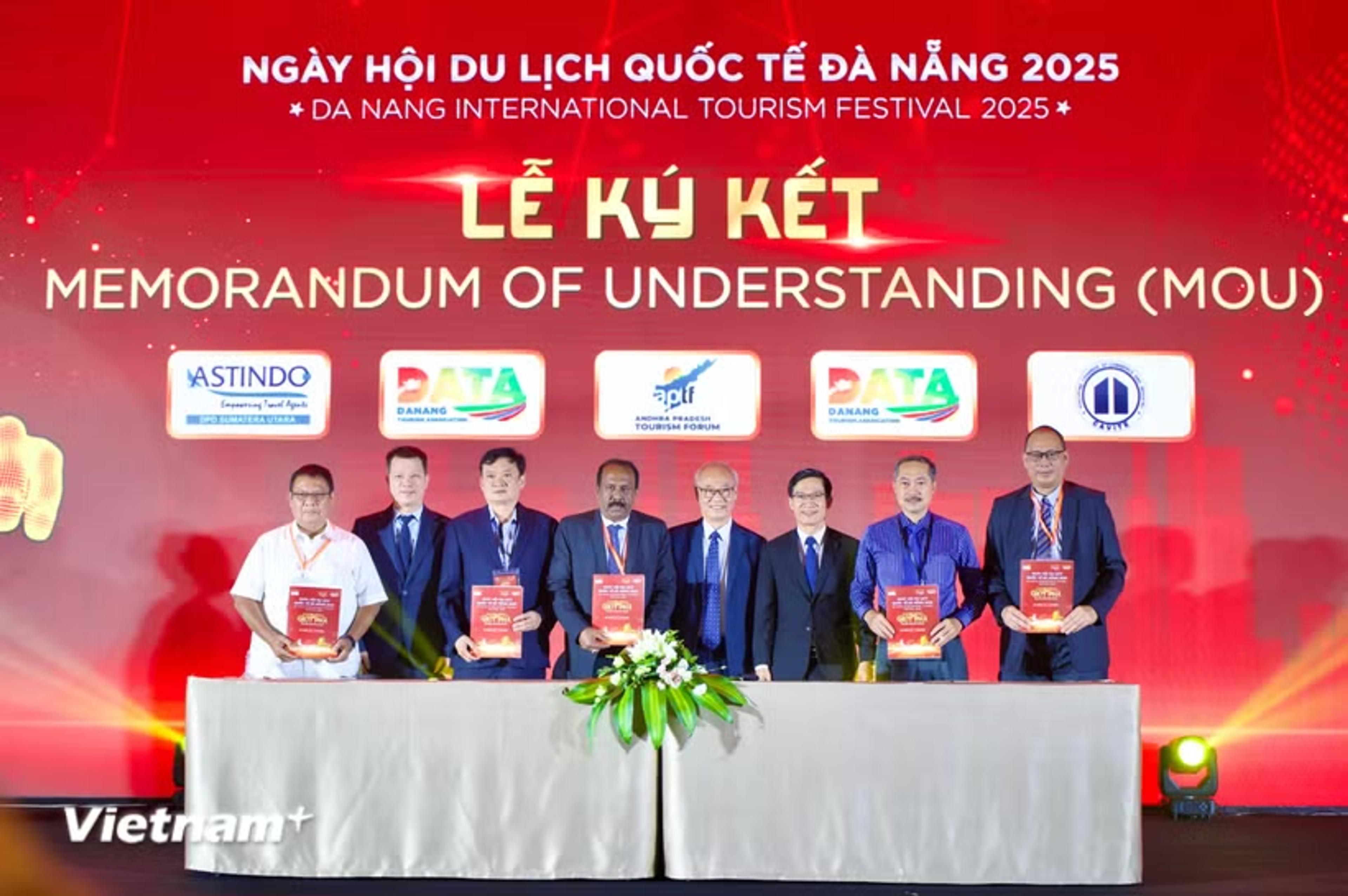
An MOU signing is only a starting point: real value at DITF lies in the action plan, famtrips, new products, bookings and the follow-up timeline after the event.
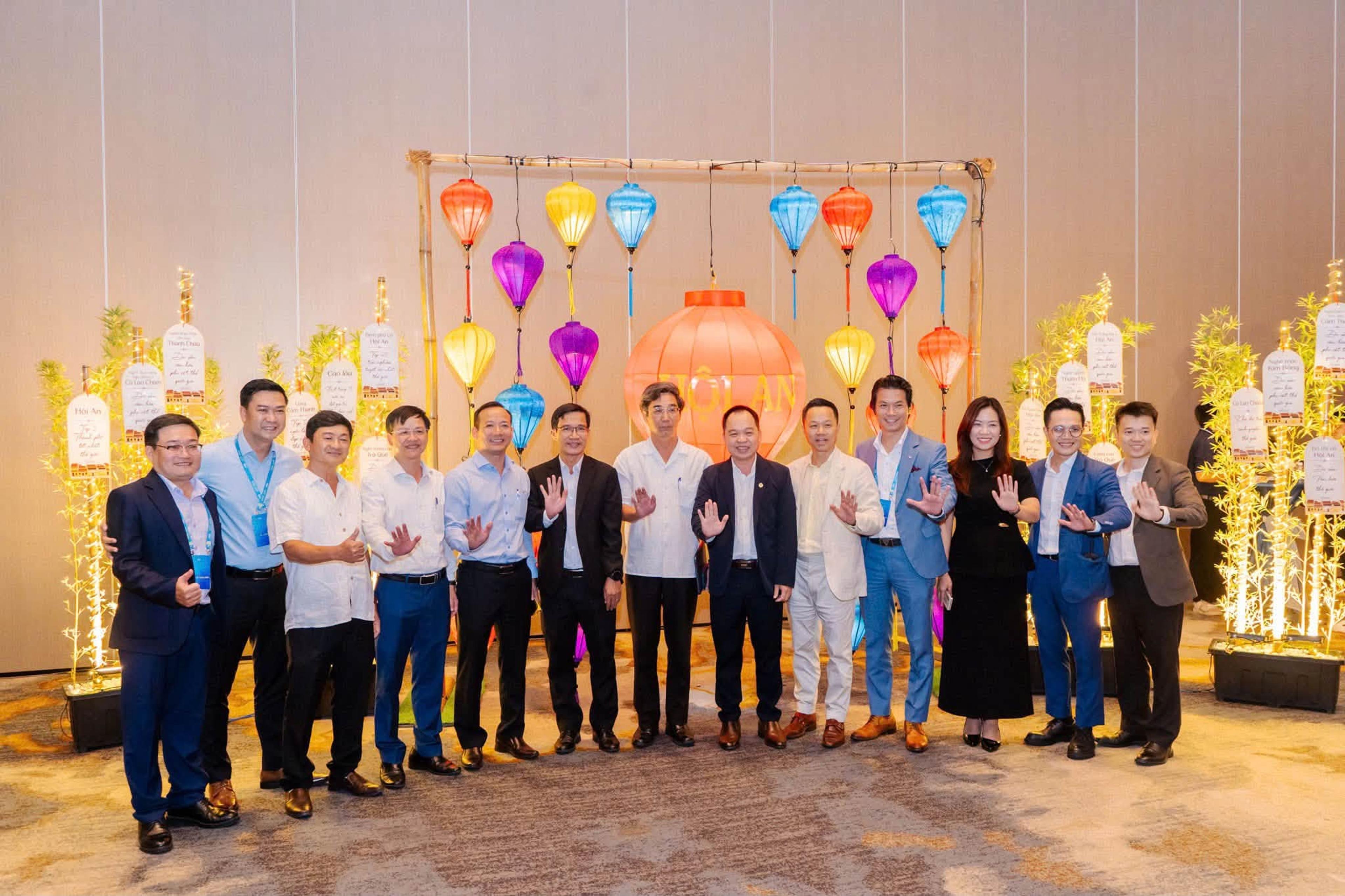
DITF 2026 Day 1: Connecting International Trade, Boosting Da Nang Tourism
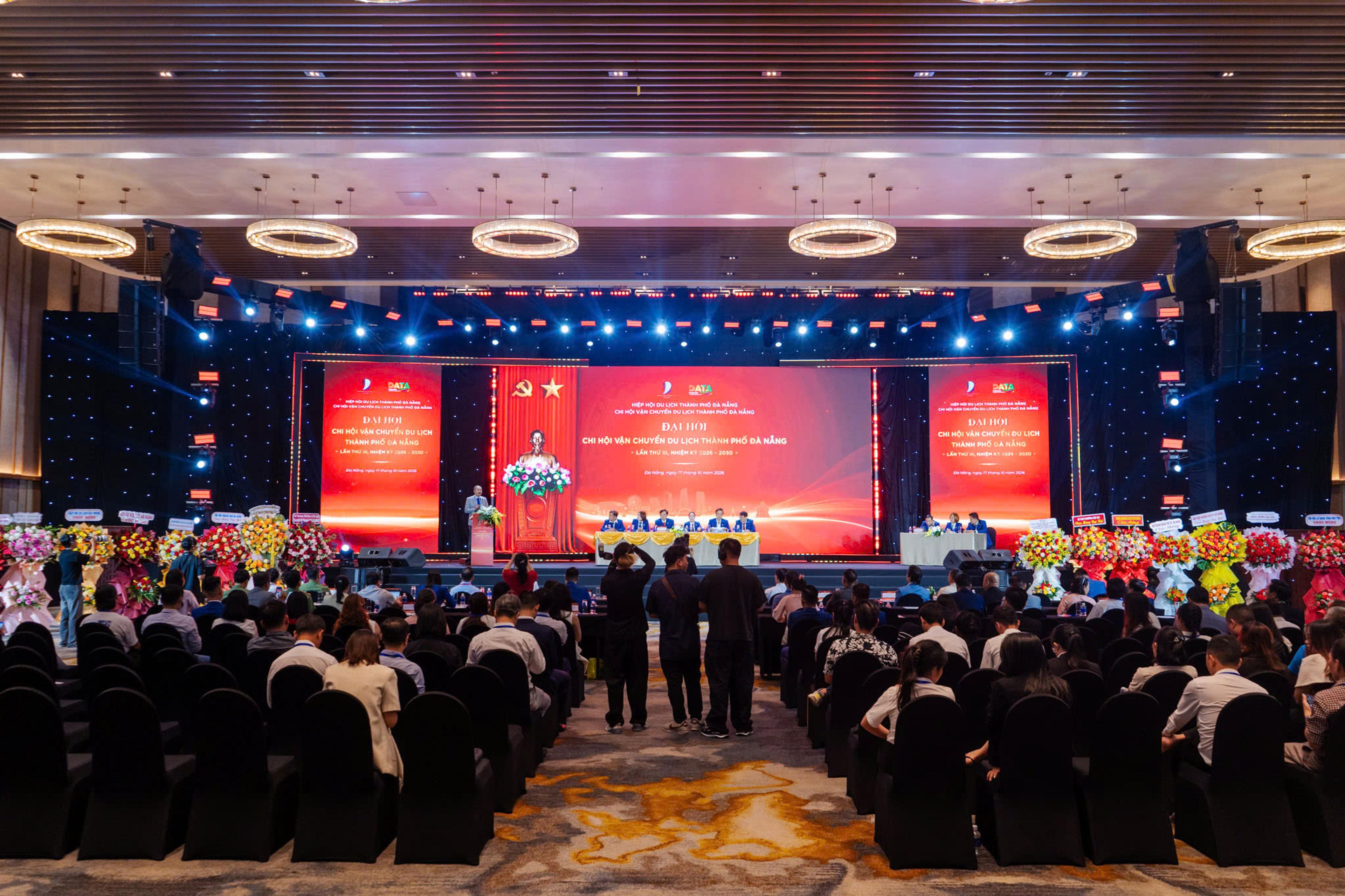
DITF 2026 opened on 17 October at Ariyana Convention Centre Danang, bringing together more than 300 suppliers, 150 international buyers and 400 domestic buyers.