
Đang tải… / Loading…
Đang tải… / Loading…
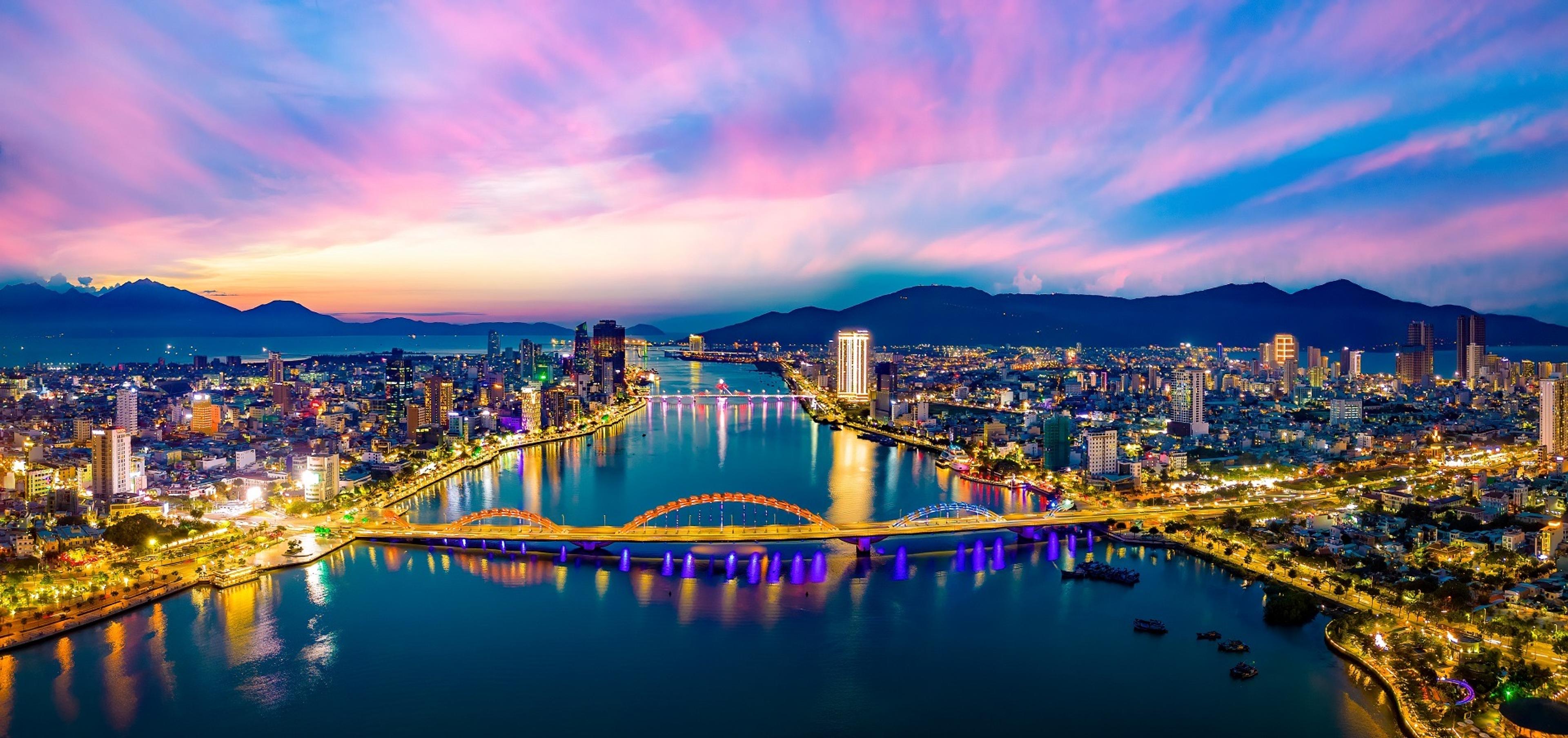
At DITF 2026, international buyers come from 11 source markets, including key markets such as Korea, Japan, China, India and the ASEAN countries. These are also the market groups making Da Nang's international visitor mix increasingly diverse. In the first six months of 2026, Korea accounted for 20.55% of all international arrivals to the city, China 8.6%, India 6.68% and Japan 3.66%; Thailand was also among the top 10 markets. By July, the four Northeast Asian markets alone — Korea, China, Taiwan (China) and Japan — made up nearly 40% of Da Nang's international visitors.
These figures point to something important: buyers at DITF do not come from a single, uniform “international market”. Each market group has different travel habits, spending power, length of stay and ways of choosing products. The task for Da Nang businesses, therefore, is not to build one product for everyone, but to understand the markets deeply enough to know which market needs what, which products should be prioritised and how to turn that demand into programmes that sell.
This article does not set out to rank which market is “better” or has more potential, as the data is not sufficient to draw such conclusions. What deserves more attention are the distinct signals emerging from each group of buyers.
Korea remains Da Nang's largest international source market. In the first eight months of 2026, Korean visitors accounted for about 20.3% of the city's international arrivals. This is a major advantage in destination awareness, but it also creates a different challenge: for a market already familiar with Da Nang, a plain “beach – hotel – sightseeing” product will find it increasingly hard to stand out.
What Korean buyers may care about more for 2027, then, is not simply more rooms or more basic tours, but how to refresh a destination they already know well.
Golf is a clear example. In Q1 2026, Da Nang recorded more than 117,000 rounds of golf, up 7.6% year on year. In May alone, golf reached about 26,375 rounds. With Korean travellers showing strong demand for golf, buyers will need more deeply designed packages: several courses in one itinerary, sensible tee times, resorts close to the course, club transport, recovery spa treatments and a separate programme for travelling companions.
Family travel is another area with room to grow. Now that Da Nang has become a familiar destination for Korean travellers, the question is no longer “should we go to Da Nang?” but “who are we going with this time, and what different experience will we have?”. This is where family travel, multigenerational travel, golf, wellness and short but experience-rich holiday programmes have plenty of room to develop.
For Korean buyers, the 2027 opportunity may lie in the ability to repackage Da Nang for returning visitors, rather than simply continuing to sell the same holiday as before.
Japan does not yet account for as large a share as Korea or China, but it remains one of Da Nang's important markets. In July 2026, Japanese visitors made up about 3.93% of international arrivals; together with Korea, China and Taiwan (China), the Northeast Asian group still accounted for nearly 40% of the market mix.
With Japanese buyers, what stands out is usually not a large number of products, but stability and consistent operational delivery.
Japanese travellers tend to care strongly about service quality, punctuality, cleanliness, clear itineraries and in-depth local experiences. As a result, products with a tight structure, reliable service and low operational risk tend to build trust more easily.
Da Nang has the advantage of being able to combine beach holidays with Hoi An, Hue, cuisine, culture and wellness. But for the Japanese market, the packaging needs to differ from the “see as much as possible” approach. An itinerary with fewer stops but polished execution, a relaxed pace, reasonable travel times and standardised service may be a better fit.
MICE is another segment to watch. In May 2026, Da Nang welcomed 21 MICE groups with nearly 9,147 delegates, including more than 6,800 international guests. For Japanese buyers, the capability to run conferences, logistics, scheduling and consistent service quality may matter more than simply having a large venue.
So for the Japanese market, the question should not only be “what's new?”, but whether the product is reliable enough for buyers to sell it with confidence.
China is one of Da Nang's most notable growth markets. In the first six months of 2026, it accounted for 8.6% of total international arrivals; by July, its share had risen to 11.23%, second only to Korea.
What stands out about the Chinese market is the breadth of its demand.
This is no longer just a traditional group-tour market. With the growth of FIT, young travellers, families, groups of friends and high-spending visitors, buyers may be looking for many different kinds of products within the same market.
For groups, price, the capacity to handle large numbers, speed of processing and clear itineraries remain important. For FIT and young travellers, food experiences, photo-worthy spots, entertainment, shopping, resorts and experiential activities hold more appeal.
This places a different demand on Da Nang businesses: “Chinese travellers” should not be treated as a single, uniform group.
A buyer specialising in charter groups will have completely different needs from an OTA selling to independent travellers, or from a partner focused on family and luxury leisure.
At DITF, the opportunity in the Chinese market therefore lies in buyers and sellers being able to segment demand more effectively, rather than looking only at visitor volume.
India is one of the markets sending the clearest signals of specialised demand.
In the first six months of 2026, Indian visitors accounted for 6.68% of international arrivals to Da Nang; in May alone, the figure reached about 9%.
Even more notable are weddings and MICE.
In Q1 2026, Da Nang recorded 16 international wedding events. By May, the city continued to advise on and host further international wedding events. For the Indian market, this is a segment capable of generating very high value, as a destination wedding typically brings hundreds of guests, many room nights, multiple events, catering, transport, decoration and pre- and post-wedding activities.
Indian buyers are therefore not just looking for a beautiful resort.
They need a destination capable of running an entire series of events over several days. Vegetarian catering capability, religious requirements, the ability to stage multiple ceremonies, large room blocks, gala venues, entertainment and logistics can all become deciding criteria.
MICE follows a similar logic. For corporate groups, buyers need an ecosystem capable of handling everything from flights, hotels and venues to team-building, gala dinners and leisure extensions.
For the Indian market, Da Nang's opportunity lies in proving that the city is not just “beautiful to visit”, but capable of organising complex, high-value journeys.
ASEAN is a market group quite different from Northeast Asia or India, thanks to its proximity and relatively convenient air connections.
In Da Nang's international visitor mix in May 2026, the Philippines and Thailand were both among the notable markets, at about 4.7% and 4.6% respectively. Da Nang's international flight network also connects directly with the Philippines, Thailand, Singapore, Malaysia, Indonesia and many other points in the region.
This creates an important characteristic: ASEAN suits short trips, quick decisions and a higher likelihood of repeat visits.
Buyers in this group may be strongly interested in short breaks, weekend getaways, family travel, mid-sized MICE, food, attractions and highly flexible 3–4-day packages.
The short distance also means a product's value does not necessarily lie in a long holiday. A three-day trip can still be attractive if the itinerary is tight enough, flight times are convenient and the experience is distinctive enough.
This is a market where Da Nang can compete not only on resorts, but on its ability to combine many experiences quickly in a short time: beach, food, nightlife, theme parks, shopping, wellness and Hoi An.
What ASEAN buyers need may not be an overly long programme, but a package that is clear enough, flexible enough and easy enough to sell for short-notice travel decisions.
Looking at each market individually, the differences are quite clear.
Korean buyers may be more interested in refreshing a destination they already know. Japanese buyers place heavy emphasis on stability and standardised service. Chinese buyers need supply flexible enough to serve many different customer segments. Indian buyers open up clear demand for weddings and MICE. ASEAN buyers, meanwhile, benefit from proximity and short, flexible trips.
This points to a very important lesson for sellers at DITF: the same product cannot be presented the same way to every market.
A resort can sell golf to Korea, family holidays to ASEAN, weddings to India and wellness to Japan. A destination may have the same ecosystem, but the packaging and messaging must change according to each buyer's needs.
This is also why DITF's pre-matching mechanism matters. Buyers are introduced through associations such as KATA in Korea, JATA in Japan, CATS in China and OTOAI in India, along with TTAA, PTAA, ASITA, MATTA and NATAS in the ASEAN markets. The event is designed so that partners from 11 source markets can find the right groups of suppliers in leisure, MICE and tour operations.
So the question at DITF should not just be “which markets are growing?”
The more useful question for businesses is:
“For each market, what do travellers want to buy, and how does our product need to change so that buyers can sell it?”
That is the gap between knowing a market is growing and actually turning that growth into business opportunity.
Written by the association from published reporting; figures and quotes follow the sources above.
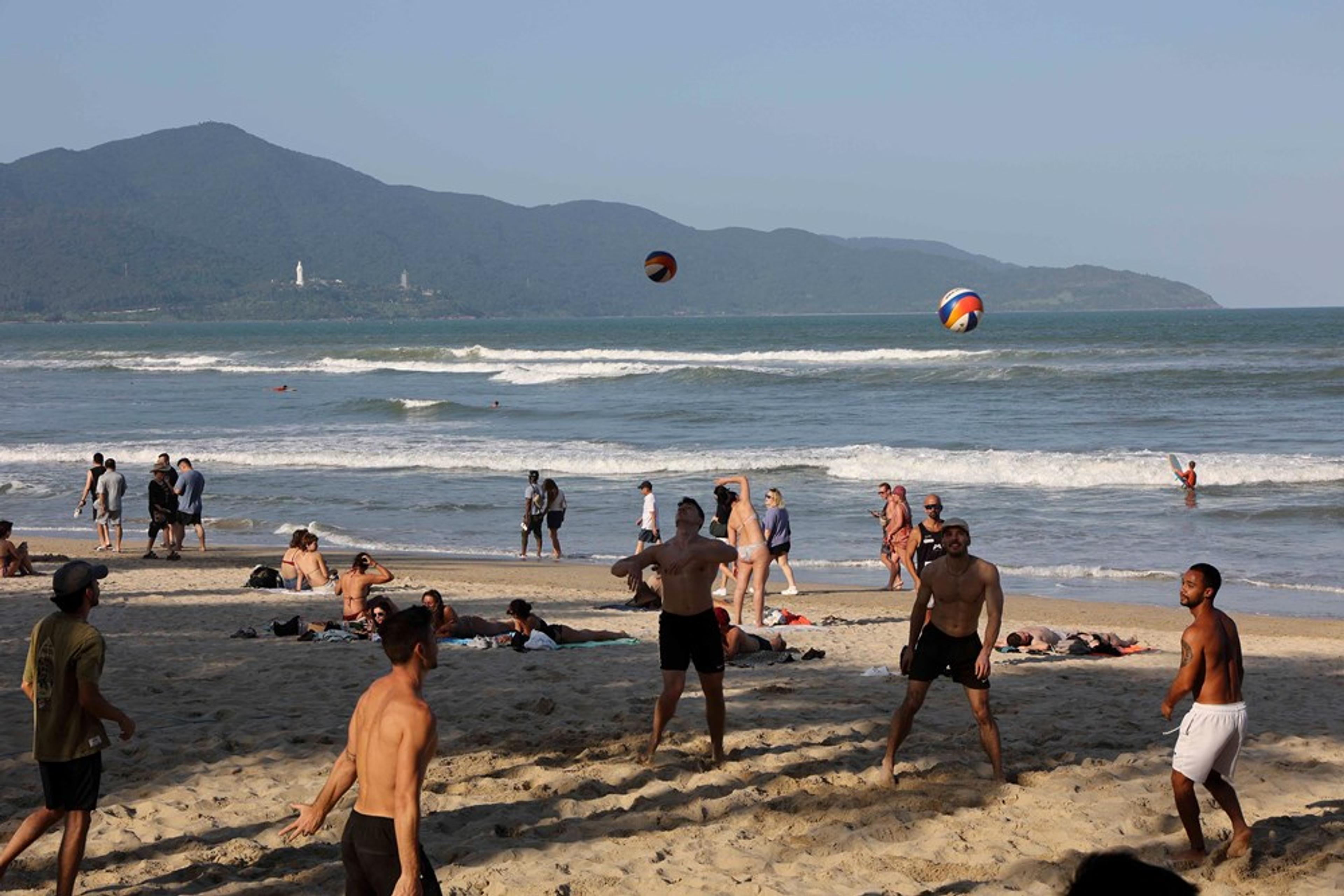
More than 150 international buyers from 11 source markets come to DITF 2026. For 2027 they want easy-to-sell products: MICE, golf, weddings, wellness, family and long stay.
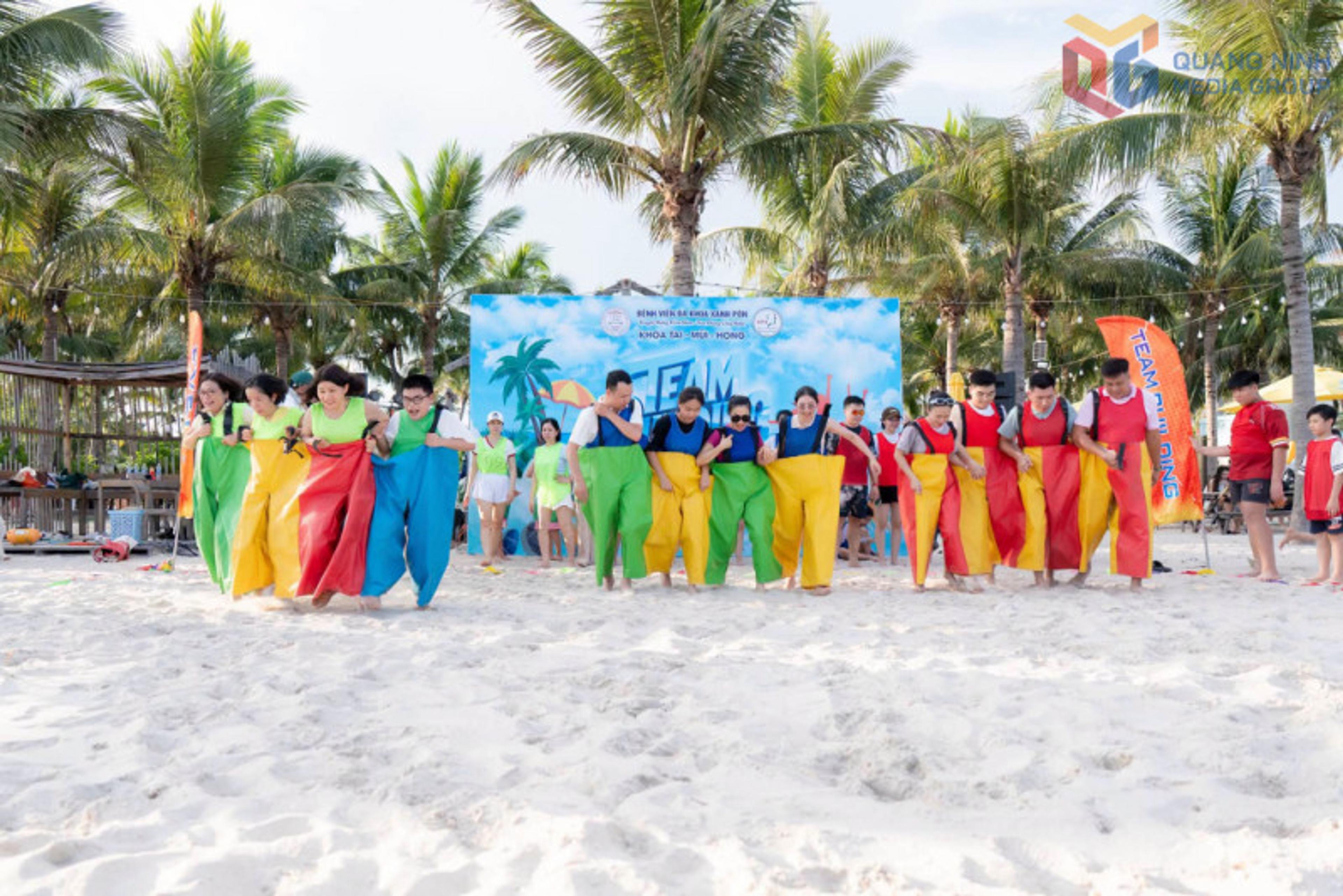
In the first half of 2026 Quang Ninh welcomed over 12.4 million visitors, about 9.8 million of them domestic, a major contributor to revenue of nearly 35,200 billion dong. The province is diversifying products and pushing MICE and the night economy to extend stays.
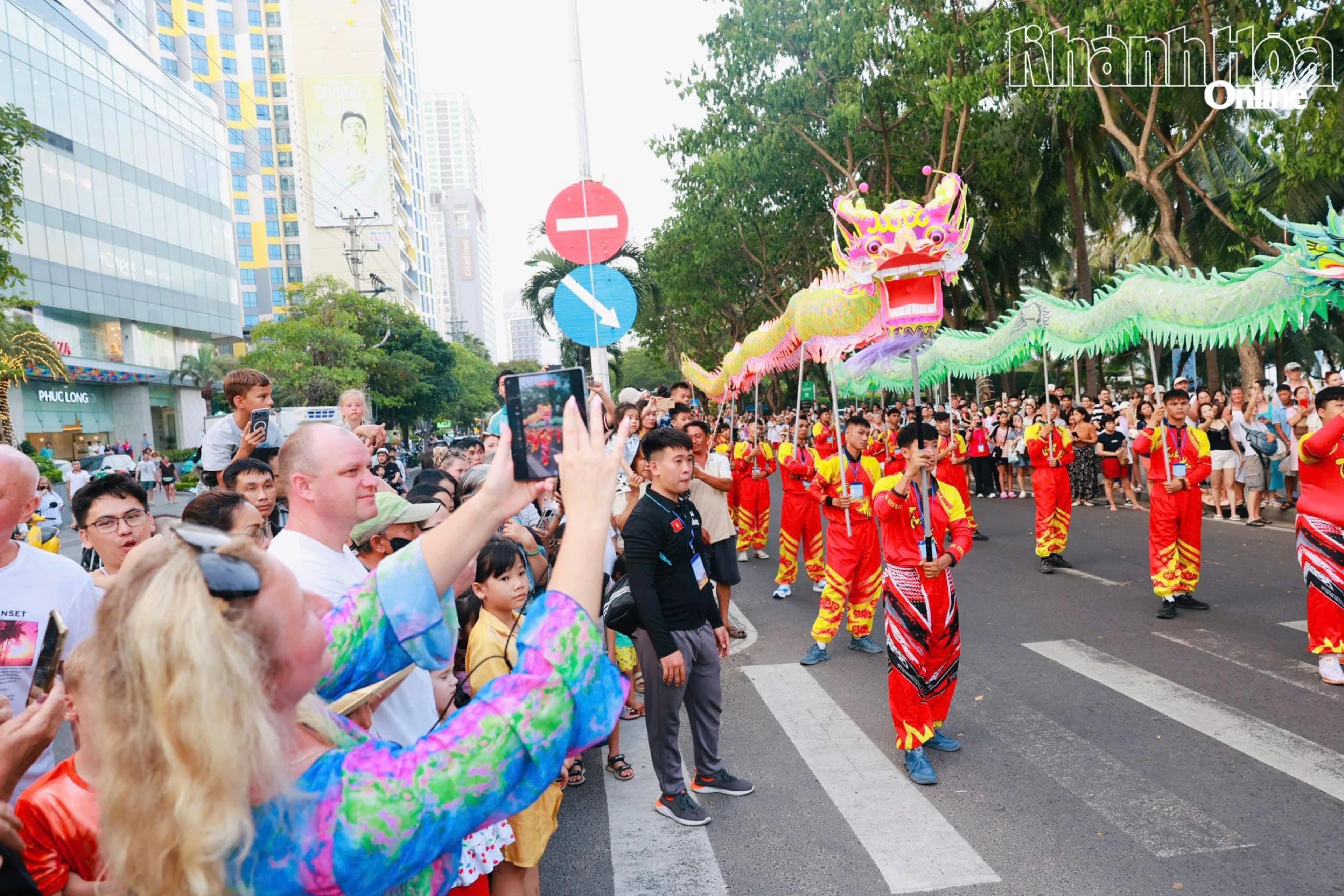
In July 2026 Khanh Hoa is estimated to have welcomed nearly 3.1 million visitors, up more than 27.5% year on year, with revenue of about 9,600 billion dong. Over seven months the province drew nearly 15.1 million, including about 5.5 million international arrivals.