
Đang tải… / Loading…
Đang tải… / Loading…
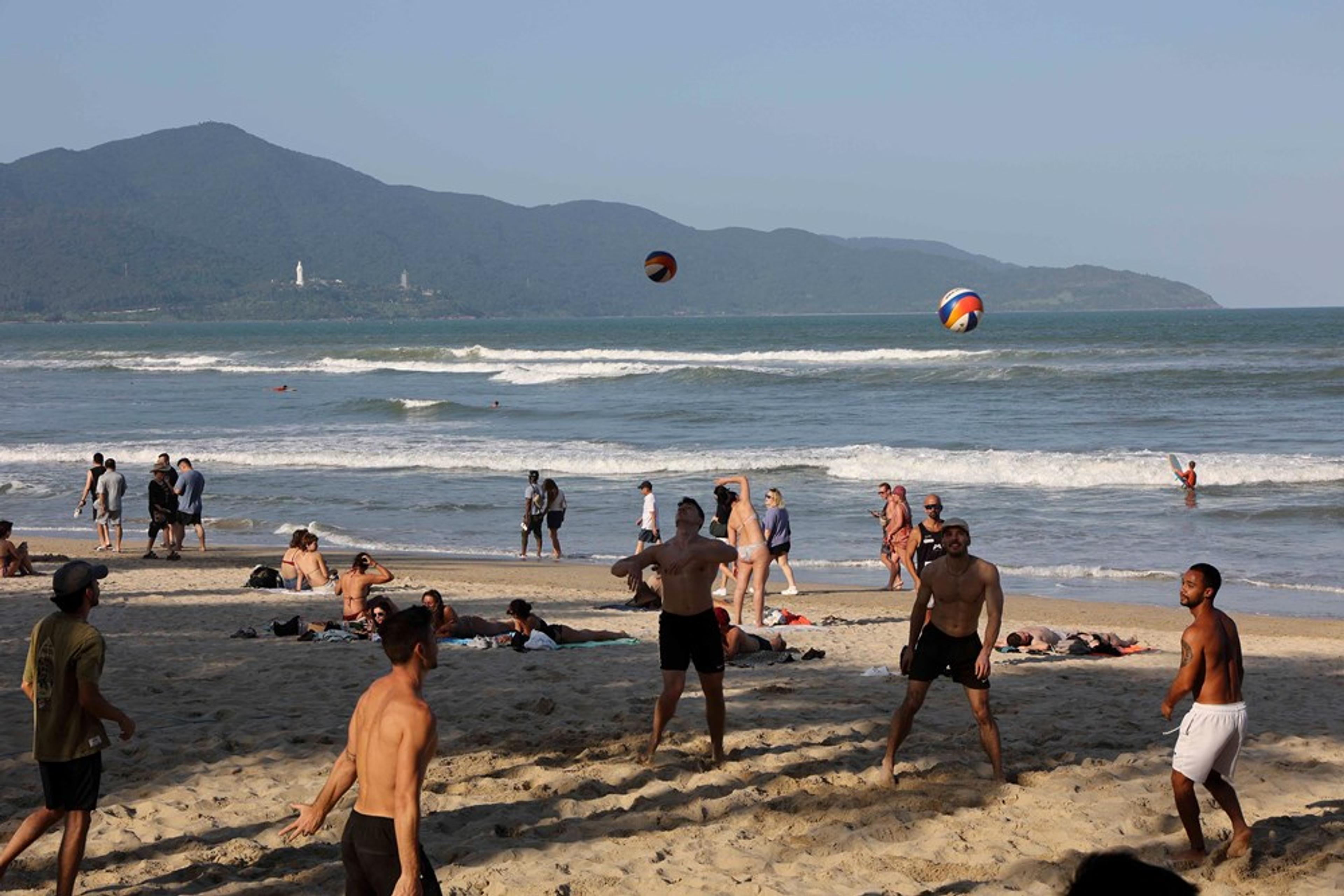
At DITF 2026, more than 150 international buyers – travel companies, tour operators and distribution partners from 11 source markets – will meet Da Nang businesses face to face. These are not simply visitors coming to learn about the destination; they are the people who can decide which products go into the programmes they sell to their clients next year. DITF currently focuses on three main groups – leisure, MICE and tour operations – with buyers referred by travel associations in South Korea, Japan, China, Russia, Thailand, India and other markets.
As planning for 2027 gets under way, the question is therefore no longer simply “Is Da Nang attractive?” What partners need to know is more specific: which segments are in demand, which products are distinctive enough to sell, how long guests will stay, and what will make them spend more or come back?
Market data for 2026 already points to several clear lines of demand.
In the first six months of 2026, Da Nang welcomed nearly 5.2 million international arrivals, up 28.7% year on year. South Korea remained the largest market with a 20.55% share, followed by China (8.6%) and India (6.68%); the United States, Australia, the United Kingdom, Thailand, Russia and Japan also held significant shares.
These figures show that leisure travel remains the “backbone” of Da Nang’s international market. Yet buyers in 2027 are unlikely to be looking for just another three-day, two-night beach package like the ones they have been selling for years.
Data for the first five months of 2026 show international visitors staying an average of nearly 1.97 days per trip, while overnight stays rose 23.7% year on year. That leaves considerable headroom: how to stretch a beach holiday with other experiences.
For international travel companies, the easier sells for 2027 may be programmes that combine resort stays with cuisine, culture, entertainment, golf or wellness, or itineraries linking Da Nang with Hoi An and other destinations in Central Vietnam.
In other words, the beach is still the reason guests come, but the experiences around it are what determine how long they stay and how much they spend.
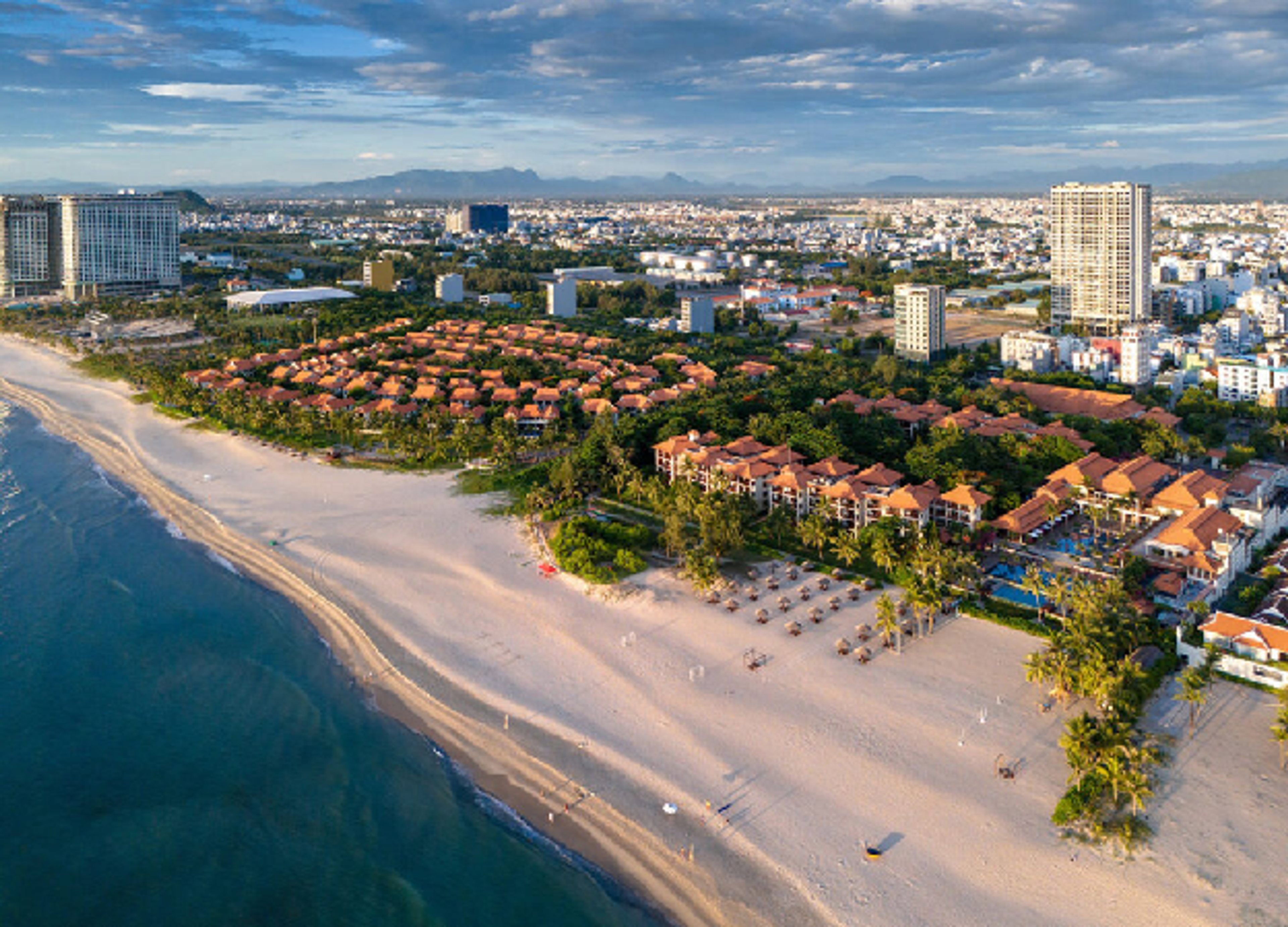
MICE remains one of the product groups with clear growth data in Da Nang.
In the first six months of 2026, the city recorded 101 MICE groups totalling 28,428 visitors. In June alone, Da Nang hosted a group of around 5,000 guests, with a programme combining conferences, accommodation, sightseeing, dining and networking across multiple venues in the city.
Da Nang’s 2026 MICE programme also aims to support nearly 93,000 visitors, up around 12% on the previous year. Notably, this year’s policy applies to international groups of 30 or more and domestic groups of 70 or more, showing that the city is targeting not only congresses of thousands of delegates but also mid-sized incentive groups and corporate events.
This is a point MICE buyers will examine closely for 2027.
They will not just ask how many people a ballroom can hold. They need to know how many hotel rooms the city can offer at once, whether moving large groups is easy, whether there are beachfront gala venues, where team-building can take place, what accompanying persons can do, and whether the conference can be extended by one or two days of leisure.
Da Nang currently has around 62,000 rooms, including more than 31,000 rooms in 164 four- and five-star properties. That is a major advantage for MICE buyers, but the opportunity for 2027 lies in packaging this capacity into a seamless journey: meeting – accommodation – gala – experience – extension stay.
Golf is also reaching a scale large enough to be treated as a product in its own right rather than an add-on.
In the first six months of 2026, Da Nang recorded more than 174,991 rounds of golf, up 5.6% year on year. South Korea – still the city’s largest source of international visitors – is also a standout group of players at golf courses across Central Vietnam.
Specialist golf buyers need more than a list of courses.
A more commercially viable programme usually has to handle tee times, transport, the distance between resort and course, a choice of several courses within one itinerary, dining after the round, spa or physical recovery, and a separate programme for non-golfing companions.
This is also where Da Nang can compete in 2027: golf can become the core of the holiday, while the beach, cuisine and wellness add reasons for guests to extend their stay.
For resorts and travel companies, what buyers need to see is therefore not “golf is available” but a complete golf itinerary that can go on sale straight away.
Wedding tourism is another segment gaining prominence in Da Nang’s product strategy.
In the first half of 2026, the city welcomed and advised on 28 international weddings. In early February alone, the wedding of an Indian couple with more than 250 guests was held in Da Nang, featuring a range of traditional ceremonies. The city is also running a dedicated programme to support wedding tourism, including site surveys, event support and more personalised experiences.
These figures are particularly relevant for buyers from India – a market that accounted for 6.68% of Da Nang’s total international arrivals in the first six months of the year.
At OTM Mumbai 2026, Da Nang also actively promoted MICE, weddings and upscale leisure, emphasising personalisation, cultural depth and end-to-end event solutions suited to the Indian market.
This suggests that wedding buyers in 2027 will be very practical in their questions: the ability to stage several ceremonies over several days, room inventory, outdoor spaces, vegetarian or religion-specific menus, logistics for several hundred guests, pre- and post-wedding activities, and the ability to personalise every experience.
The competitive edge therefore no longer lies in the “wedding by the beach” story. Buyers need to know whether a resort or a destination has the capacity to run the entire wedding journey.
If wellness used to appear mainly as a resort amenity, 2026 shows Da Nang actively developing this type of experience at destination level.
The city’s recent programmes bring beach yoga, meditation, sound healing, nature experiences, health care and restorative retreats together into a single product portfolio. Da Nang’s tourism portal even positions the city as a “3-in-1” journey combining relaxation, wellbeing and rejuvenation.
Notably, wellness is meeting precisely a market segment with a need for longer stays.
In the first eight months of 2026, Da Nang welcomed more than 411,000 visitors from Russia and the CIS, up 94.2% year on year. The city sees this group as having strong potential for long beach holidays, wellness, golf, cuisine and cultural experiences.
For 2027 buyers, this opens up a product type different from conventional leisure: programmes of five to seven nights or longer, in which wellness is not “a massage session” but part of a journey that includes yoga, therapy, nutrition, meditation, gentle exercise, deep sleep, nature and cultural experiences.
Resorts able to combine accommodation with spa, yoga, healthy cuisine and recovery activities will therefore find it easier to create products with more depth.
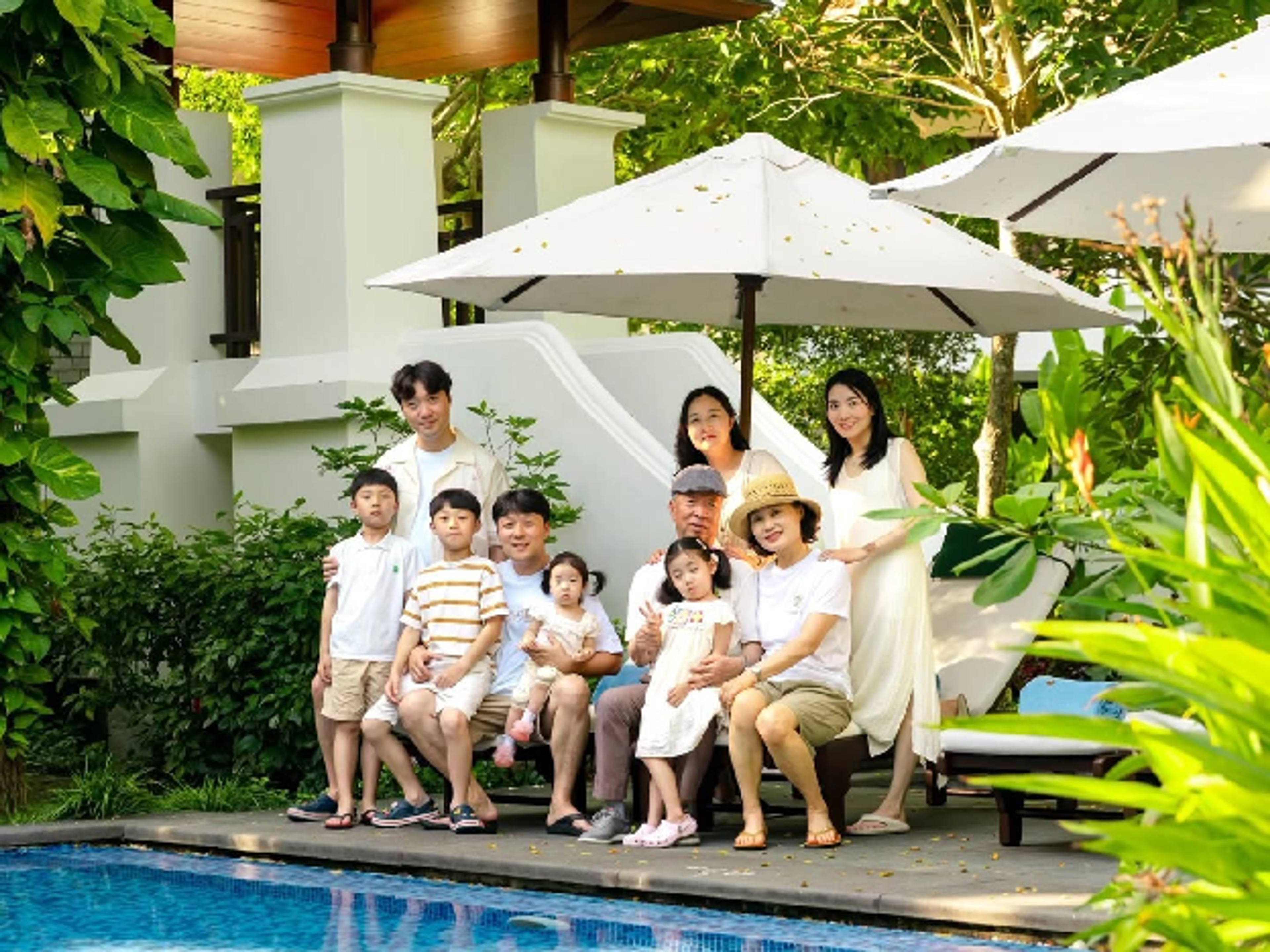
Family travel is another direction worth watching for 2027.
According to Agoda search data, international family travel demand for Vietnam over the 2025 year-end and early-2026 holiday period rose 30% year on year. Da Nang ranked second among destinations of greatest interest to international families, with searches up 42%. Korean families led in interest in Vietnam, while India recorded particularly strong growth in searches.
Another Agoda survey in 2026 also found that 52% of Asian respondents prefer to travel with family, ahead of travelling with a partner or friends.
This relates directly to two of Da Nang’s key markets: South Korea and India.
Family buyers will therefore look at more than room rates.
They need products convenient enough for young children, parents and sometimes grandparents: connecting rooms or multi-bedroom villas, kids’ clubs, pools, beaches, easy food choices, babysitting, family activities, simple transport and attractions not too far away.
For this group, “family-friendly” is only the first step. What travel companies find easier to sell is a holiday in which most of the family’s needs are already taken care of within the package.
Among the needs for 2027, long stay is a segment that deserves a more cautious look, as there is not yet evidence that it is a general trend across all markets.
But for Russia and the CIS, the signals are already quite clear.
More than 400,000 visitors from this group of markets in the first eight months of 2026 – an increase of 94.2% – came alongside the resumption of charter flights and higher frequencies. In April, the Astana – Da Nang route was scheduled to increase from three to six flights a week from June; a famtrip of more than 250 CIS travel companies was also brought to Da Nang for a site inspection in April.
The city’s strategy now explicitly emphasises developing long-stay visitors from Russia and the CIS, with products combining beach, wellness, golf, cuisine and culture.
This is a completely different challenge from a short holiday.
Buyers will pay more attention to long-stay rates, living space, laundry, dining options that change from day to day, regular wellness, transfer arrangements and the ability to build a 7-, 10- or 14-day programme of experiences that does not feel repetitive to guests.
If Da Nang can solve this, long stay will not only increase room nights but also spread guest spending across many other services in the city.
Seen through 2026 data, Da Nang’s international market is becoming more clearly segmented.
South Korea and Northeast Asia still generate large volumes. India opens up room for weddings, MICE and family travel. Russia and the CIS create opportunities for long stays, beach holidays and wellness. Golf continues to grow. Meanwhile, family travellers and the demand for deeper experiences mean that even traditional leisure products need refreshing.
This also explains why buyers at DITF 2026 have to declare their markets, volumes and product interests when joining the Hosted Buyer programme. DITF’s matching system then uses source market, product line and available time slots to connect them with suitable suppliers.
In other words, buyers do not come to DITF to ask in general terms “What does Da Nang have?”
They come with quite specific questions: what new golf products are there for Korean guests; how can a MICE group of several hundred people be handled; what services does an Indian wedding need; where can a multigenerational family stay; what will Russian guests on a 10-day stay do beyond the beach; does a wellness programme have enough substance to be sold as a journey in its own right?
That is also the biggest opportunity for Da Nang businesses heading into the 2027 season.
It is not necessarily about creating lots of new products. More important is looking at existing products through the eyes of an international tour seller: who will buy, what they need, how long they will stay, how the product can be packaged and what reason is compelling enough for a buyer to put it into next year’s business plan.
Written by the association from published reporting; figures and quotes follow the sources above.
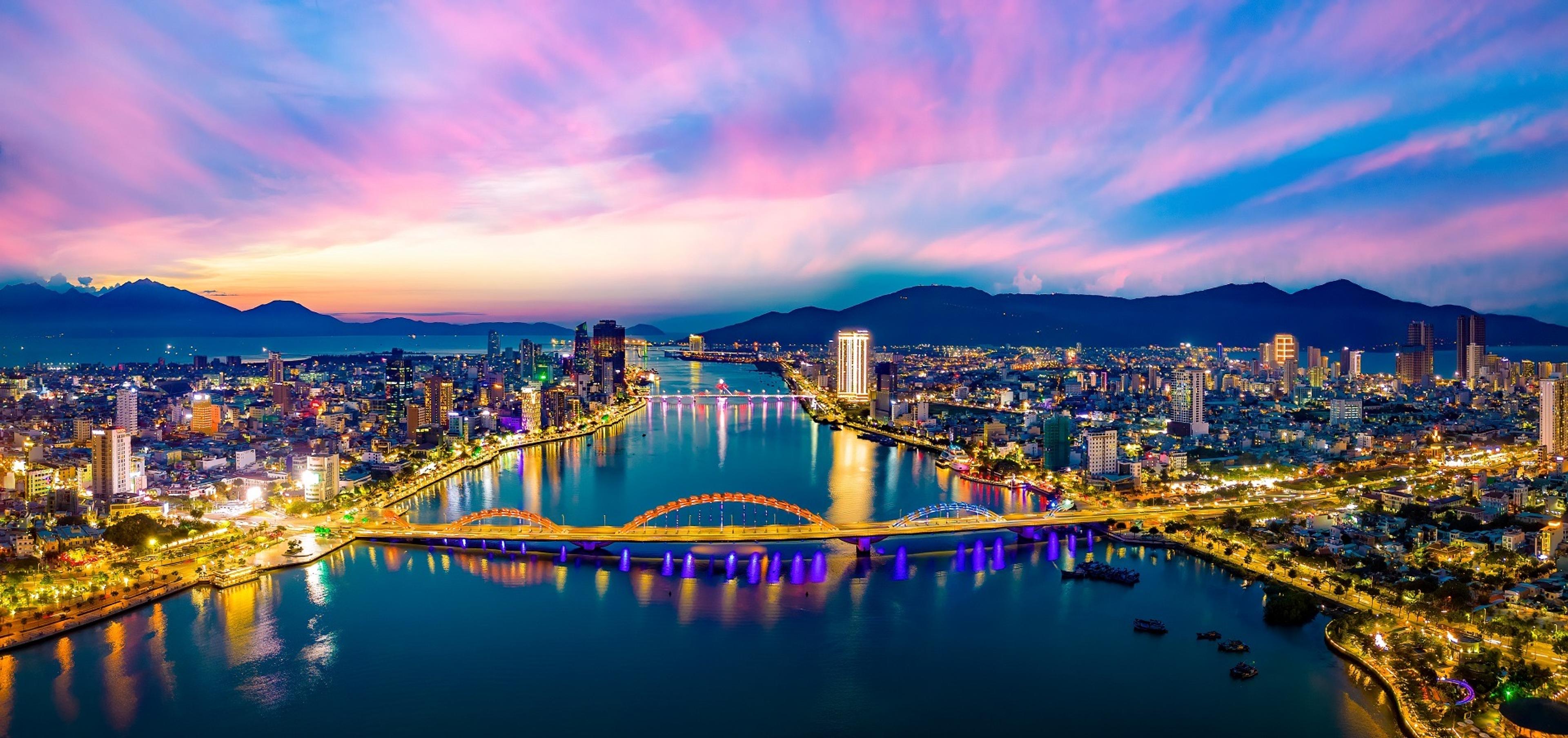
International buyers at DITF 2026 come from 11 source markets, and Korea, Japan, China, India and ASEAN each have their own needs.
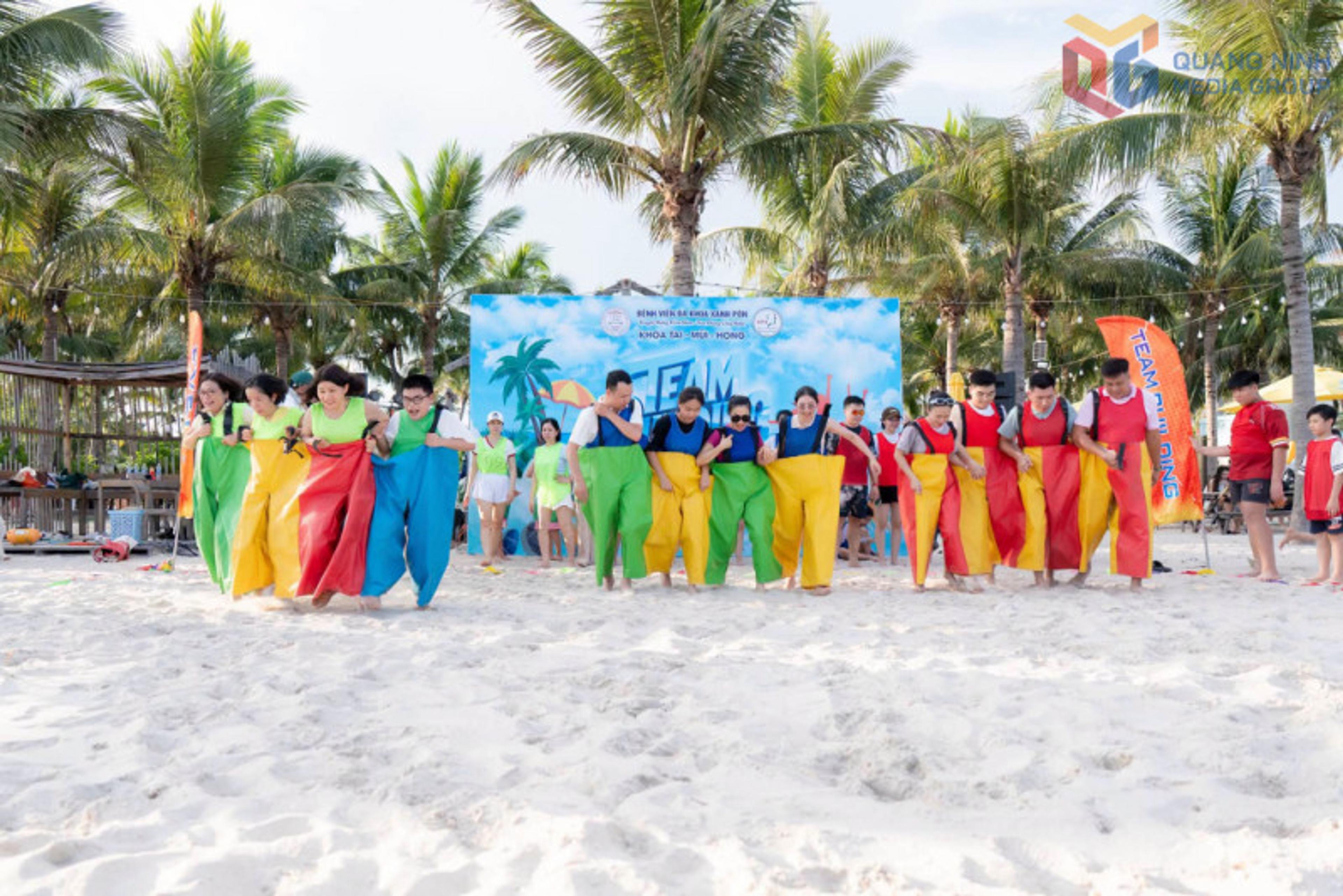
In the first half of 2026 Quang Ninh welcomed over 12.4 million visitors, about 9.8 million of them domestic, a major contributor to revenue of nearly 35,200 billion dong. The province is diversifying products and pushing MICE and the night economy to extend stays.
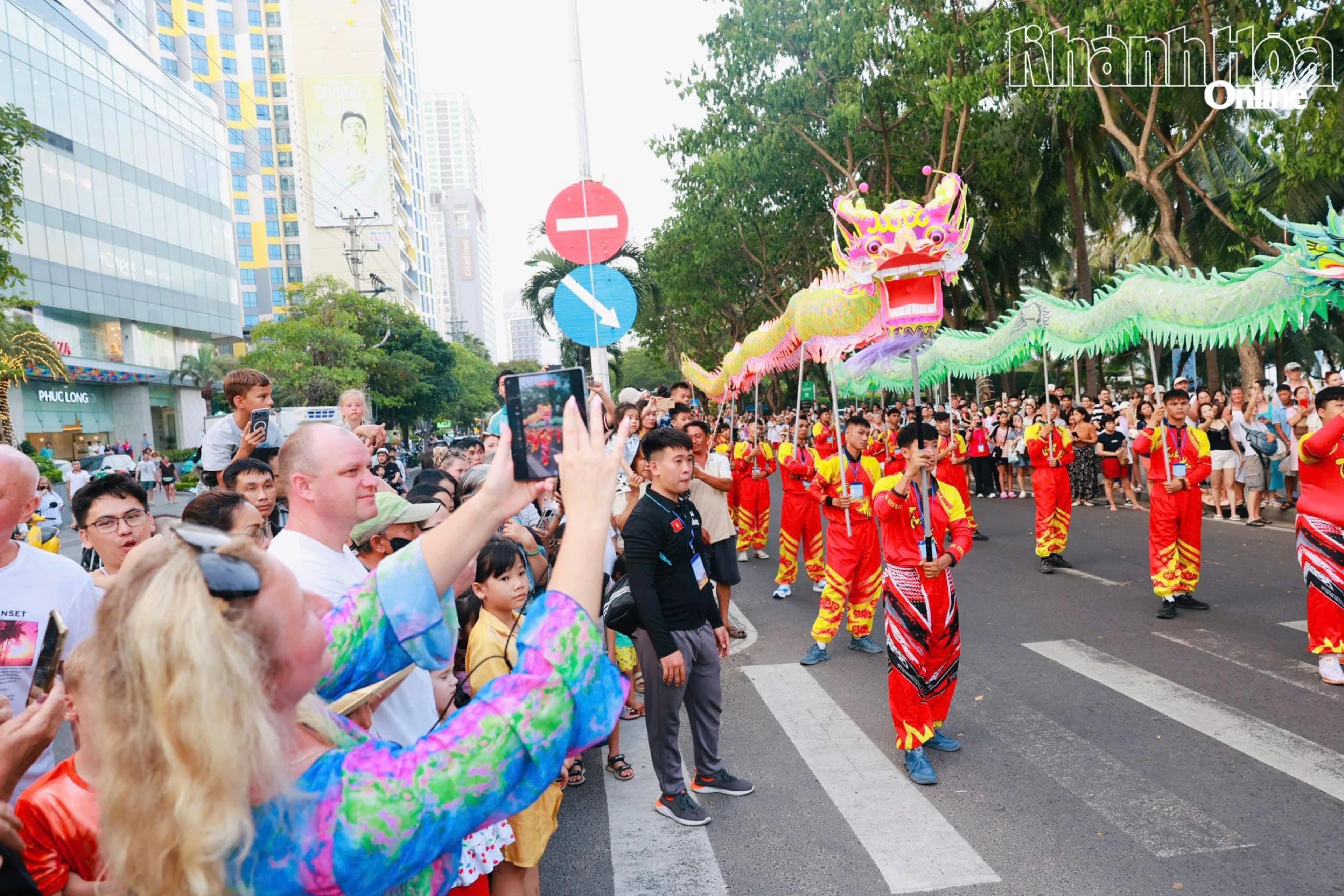
In July 2026 Khanh Hoa is estimated to have welcomed nearly 3.1 million visitors, up more than 27.5% year on year, with revenue of about 9,600 billion dong. Over seven months the province drew nearly 15.1 million, including about 5.5 million international arrivals.