Đang tải… / Loading…
Đang tải… / Loading…
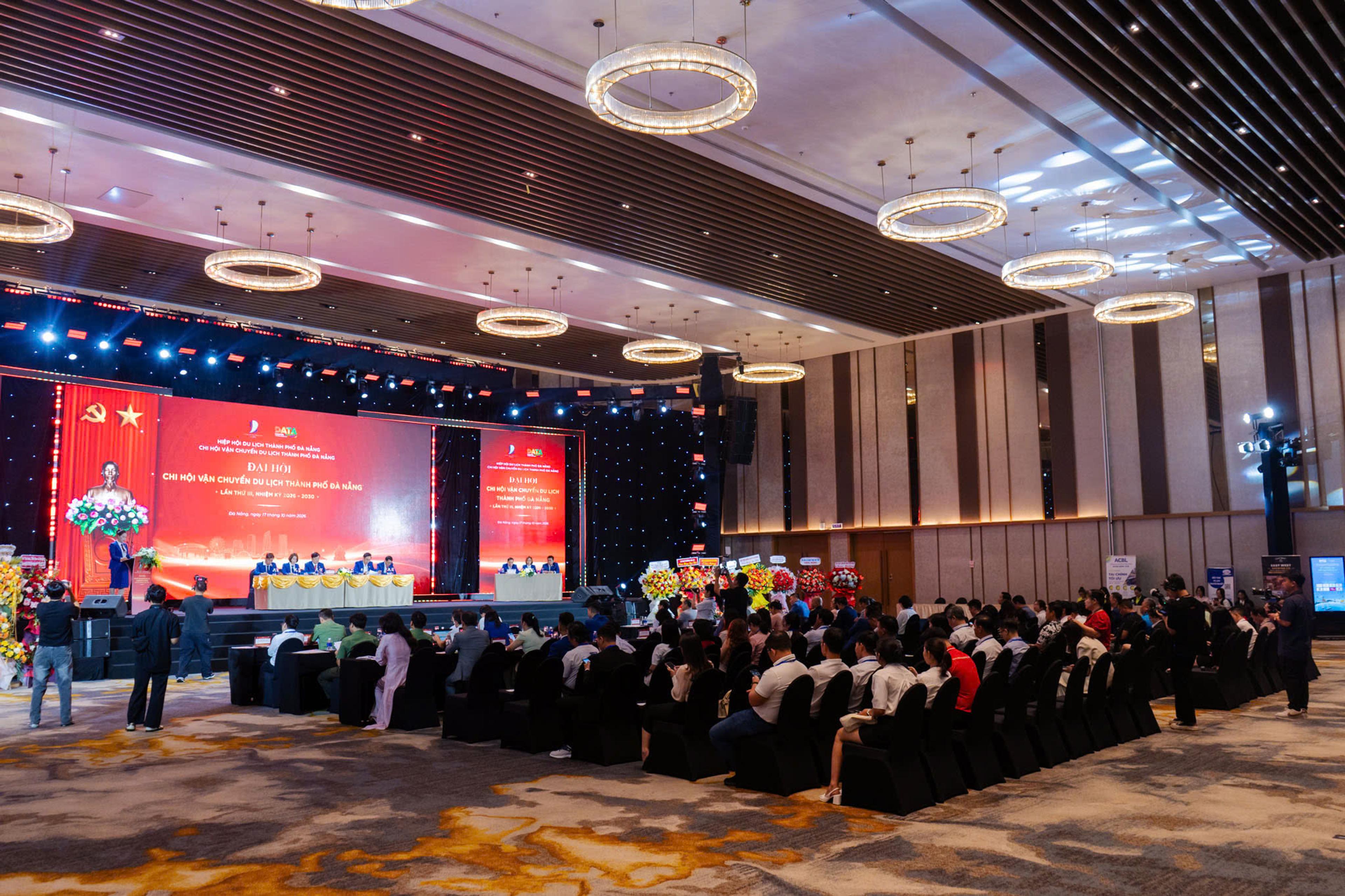
Beyond growing in numbers, the Da Nang International Tourism Festival 2026 (DITF 2026) is marking a notable shift in scale and reach as it brings together more than 200 sellers, 150 international buyers, 400 domestic buyers and over 1,500 participants and turning Da Nang into a direct meeting point between Vietnam’s domestic tourism ecosystem and international source markets.
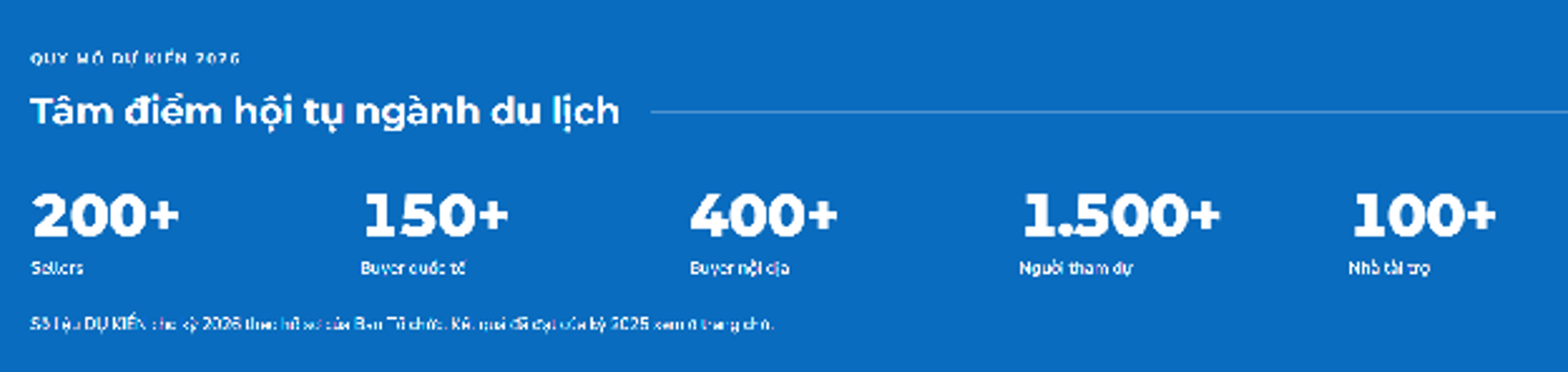
One of the clearest changes at DITF 2026 is that the range of participating businesses now extends well beyond Da Nang and Central Vietnam.
This year the event is drawing companies from many provinces and cities across the country — tour operators, hotels and resorts, destinations, transport providers and other tourism service businesses. They are joined by a number of international hotel brands and groups, giving the event a more diverse attendee mix than a conventional destination promotion activity.
This is also changing DITF’s role. Rather than simply introducing Da Nang to outside partners, the event is gradually becoming a shared meeting point, where tourism products from many Vietnamese localities can be put directly in front of the companies that work international source markets.
For Vietnamese businesses — especially those that rarely attend major travel fairs abroad — this is an opportunity to significantly shorten the path to market. Instead of travelling country by country in search of partners, they can meet many source markets at a single event in Vietnam.
Conversely, international partners get to see a broader picture of Vietnam’s tourism supply, rather than working with only a handful of companies or a single destination.
More than 200 sellers, 150 international buyers and 400 domestic buyers make for a striking figure, but scale only really has value when it is turned into business opportunities.
That is why B2B networking sits at the heart of DITF 2026.
A hotel needs to meet the right partners who can send guests. A tour operator needs to find products that suit the markets it sells to. An international buyer does not need to meet every company in the room; they need to find partners that match their customer segments, price points, service capacity and development direction.
The value of a trade event, then, lies not in the number of business cards exchanged but in its ability to create targeted meetings that can continue after the event ends.
This is also how DITF 2026 aims to move from an industry networking occasion to a more substantive trading platform.
The increasingly visible participation of hotel groups and large enterprises is also helping to raise the quality of DITF 2026.
The list of featured exhibitors announced by DITF includes many well-known names across sectors such as aviation, accommodation, resorts, attractions and travel services.
The significance of their presence goes beyond brand names.
Large groups typically bring international distribution networks, market data, partner systems and operating experience across many countries. When these companies share a space with hundreds of Vietnamese businesses, the conversations that follow can go beyond buying and selling a single product.
They may lead to market connections, new tour programmes, MICE cooperation, destination partnerships, product development or joint promotion campaigns.
It is precisely this diversity in the size and type of businesses that is helping DITF gradually take shape as an ecosystem rather than just an exhibition area.
Another key feature of DITF 2026 is that its international buyer line-up is organised through tourism associations in a range of markets, including South Korea, Japan, China, Russia, Thailand, the Philippines, Indonesia, Malaysia, India and Singapore.
This approach means the “international” story of DITF is not just about the presence of foreign delegates.
More importantly, Vietnam’s tourism source markets are brought directly into the trading space.
For a Vietnamese hotel, resort or tour operator, sitting down face to face with a partner that sells to Korean, Japanese, Indian or Southeast Asian travellers is worth far more than simply presenting generic products at a booth.
Both sides can get straight to the practical questions: what travellers from that market need, whether the current product is a good fit, which selling seasons still have room, and how commercial terms or experiences need to be adjusted for the product to be included in a programme.
This is where a large-scale international trade network can create direct value for businesses.
Alongside its role in connecting Vietnamese businesses with source markets, DITF 2026 is also a direct opportunity for Da Nang to showcase its product ecosystem internationally.
Crucially, these products are not presented only through images or promotional materials.
Buyers can meet hotels, resorts, tour operators, attractions and service providers in person to better understand the products, their service capacity and how well they fit each market.
These may include beach holidays, MICE, golf, wedding tourism, wellness, cuisine, entertainment or itineraries linking Da Nang, Hoi An and Hue.
Seen from this angle, DITF does more than promote Da Nang’s image.
The event creates an opportunity for Da Nang’s products to be put directly in the hands of those able to sell them on international markets.
This is also the key difference between a traditional promotion activity and a trade event.
Destination promotion usually answers the question: what does Da Nang have to offer?
An international buyer, however, is interested in the next question: which products can be sold, who are the right partners and what are the terms of cooperation?
DITF 2026 creates a space where those two questions meet.
Businesses present their products.
Buyers assess whether they can sell them.
The two sides discuss terms of cooperation.
And if there is a fit, the products can go on to be included in inspection trips, quotations or sales plans for the coming seasons.
At that point, destination promotion no longer stops at building awareness.
It is linked directly to the ability to generate visitor flows.
According to Mr Cao Tri Dung, Chairman of the Da Nang Tourism Association, DITF’s direction is not limited to promoting Da Nang alone.
He has stressed: “DITF is not just a promotion activity for Da Nang.” The longer-term goal is to develop the event into an annual platform where localities, businesses, airlines, online distribution platforms and international partners can meet, present their products and expand commercial cooperation.
This direction explains why attracting businesses from localities across the country carries particular significance for this year’s edition.
When supply no longer comes only from Da Nang and buyers are not concentrated in a few traditional markets, DITF is in a position to become a broader connecting hub for Vietnam’s tourism industry.
In this way, Da Nang is not just a destination being promoted, but also becomes the venue for promoting an entire network of businesses and destinations.
With hundreds of Vietnamese and international businesses, combining trade activities, product presentations, destination inspections and a buyer–seller matching system, DITF is developing a structure that sets it apart from many conventional tourism promotion events.
The organisers have also set the goal of developing DITF into one of the most reputable platforms for tourism business, trade and cooperation, not only in Vietnam but across the region.
What matters here is not a claim that DITF is the biggest or the only event of its kind, but the fact that the model brings many conditions together at once: supply from many Vietnamese provinces and cities, buyers from many source markets, the participation of international groups, structured B2B sessions and on-the-ground product experiences at the destination.
From a professional standpoint, a specialised tourism event that combines all of these elements at the same time is still uncommon in the region. This is a gap DITF can fill if it maintains the quality of its buyers and, more importantly, demonstrates trade results after each edition.
The figure of more than 200 sellers, 150 international buyers and 400 domestic buyers should therefore not be seen merely as a record for scale.
The more important measure will come after DITF 2026 has ended.
How many meetings will turn into in-depth working sessions? How many buyers will ask to inspect more products? How many businesses will receive cooperation proposals, requests for quotations or offers to develop new programmes? And how many of the connections made at Ariyana Convention Centre Danang will turn into real visitor flows in the next business season?
That is how the spirit of “Connecting Partners, Creating Future” is turned into tangible value.
If more than 200 sellers, 150 international buyers and 400 domestic buyers do not just attend together but actually find the right partners, DITF 2026 will take an important step forward: from a promotion event held in Da Nang to an annual meeting point between Vietnam’s tourism industry and international source markets.
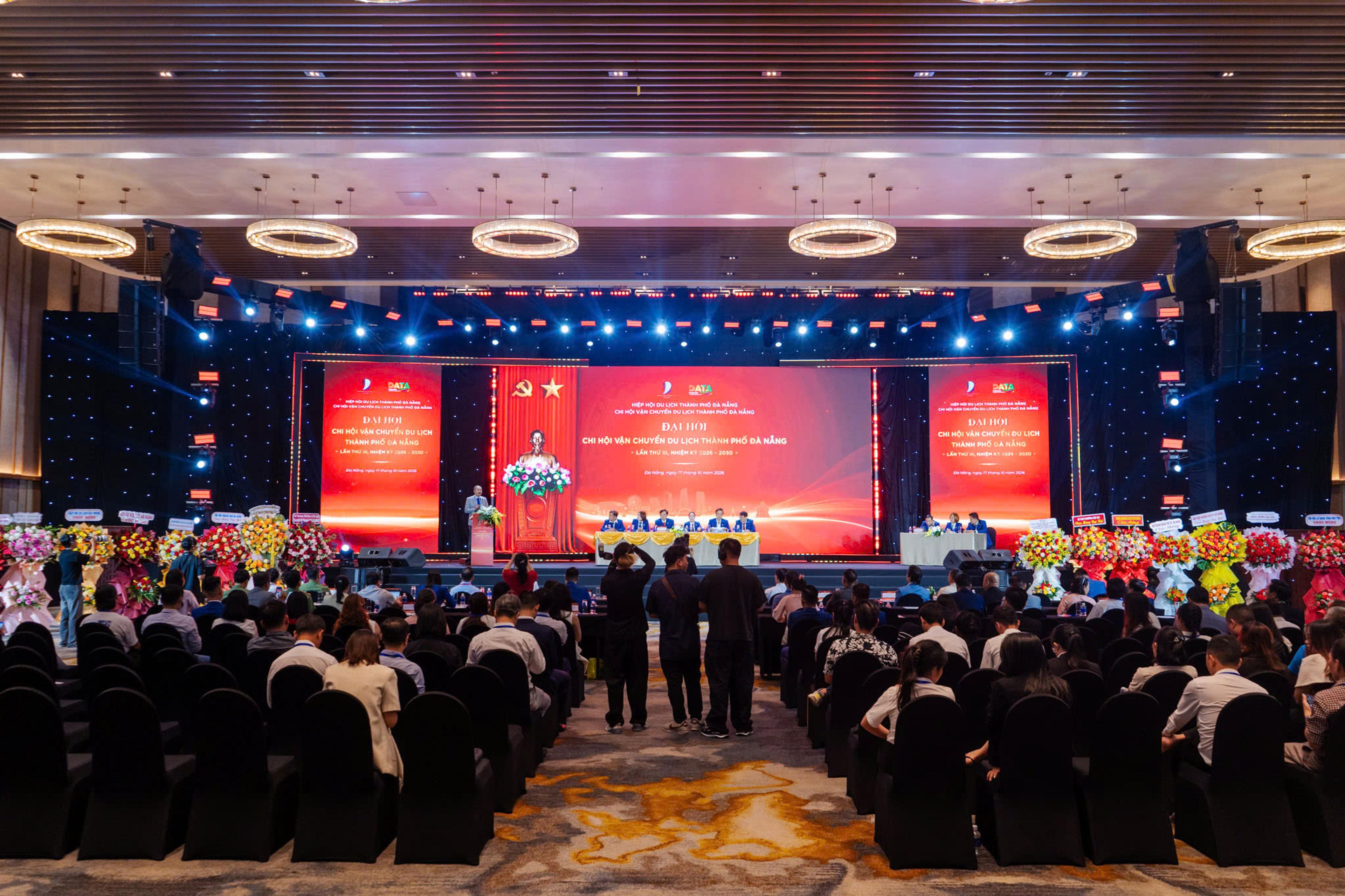
DITF 2026 opened on 17 October at Ariyana Convention Centre Danang, bringing together more than 300 suppliers, 150 international buyers and 400 domestic buyers.
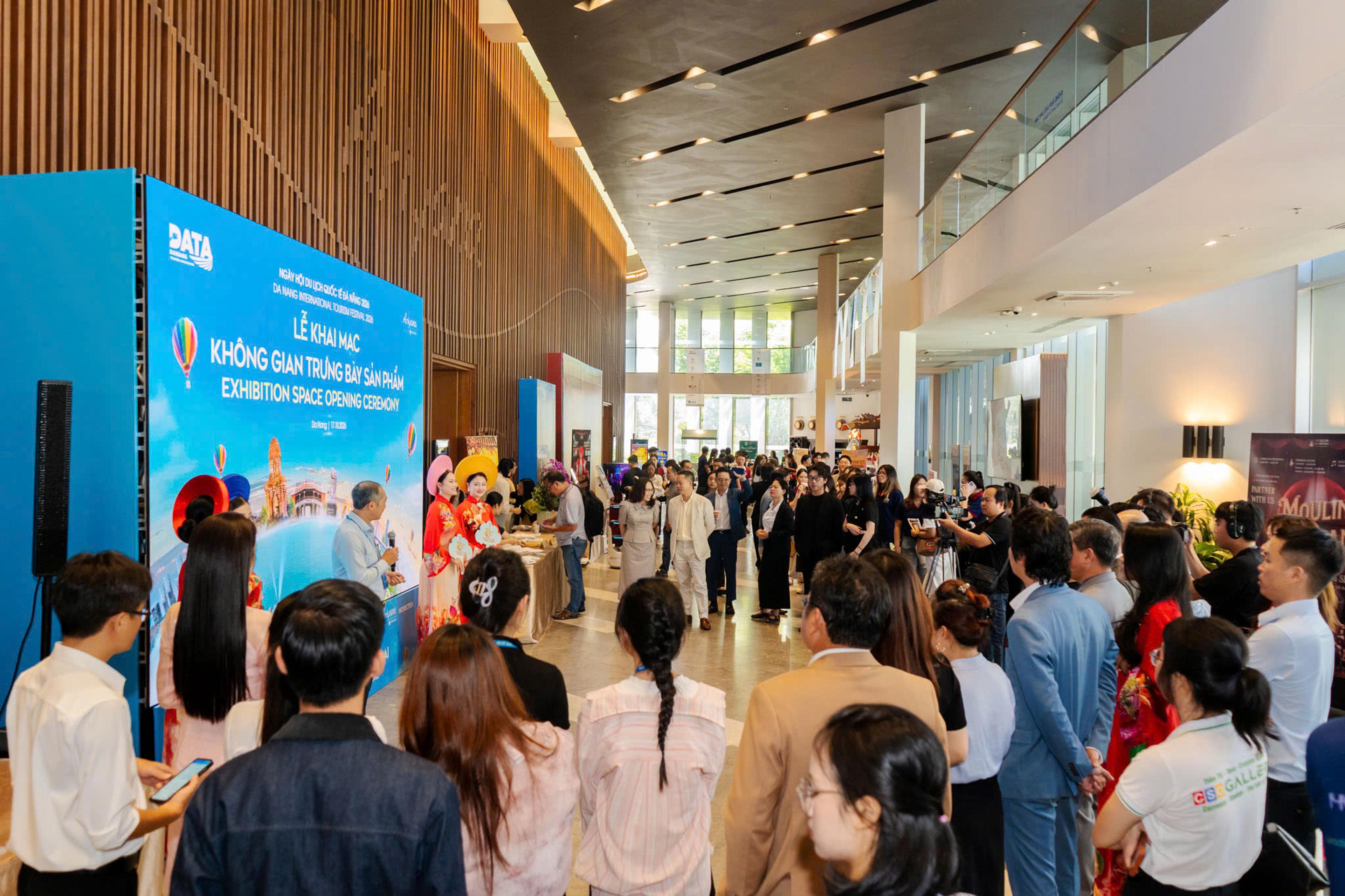
More than 300 sellers and 550 domestic and international buyers meet at DITF 2026, where connections are designed to create new products, markets and visitor flows.
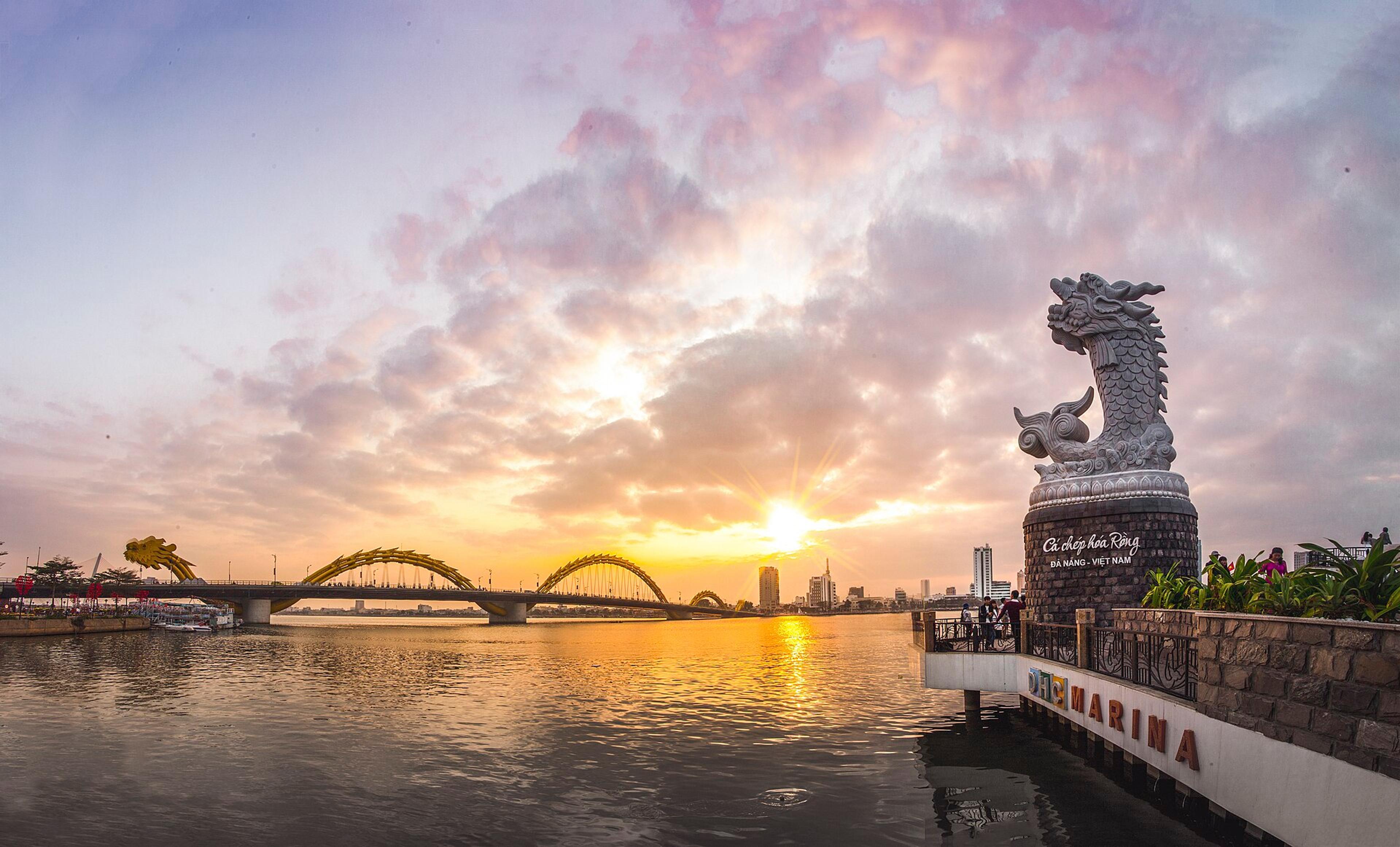
DITF 2026 is expected to bring together more than 150 international buyers, more than 400 domestic buyers and more than 300 suppliers at Ariyana Convention Centre Danang on 17–18 October.