
Đang tải… / Loading…
Đang tải… / Loading…
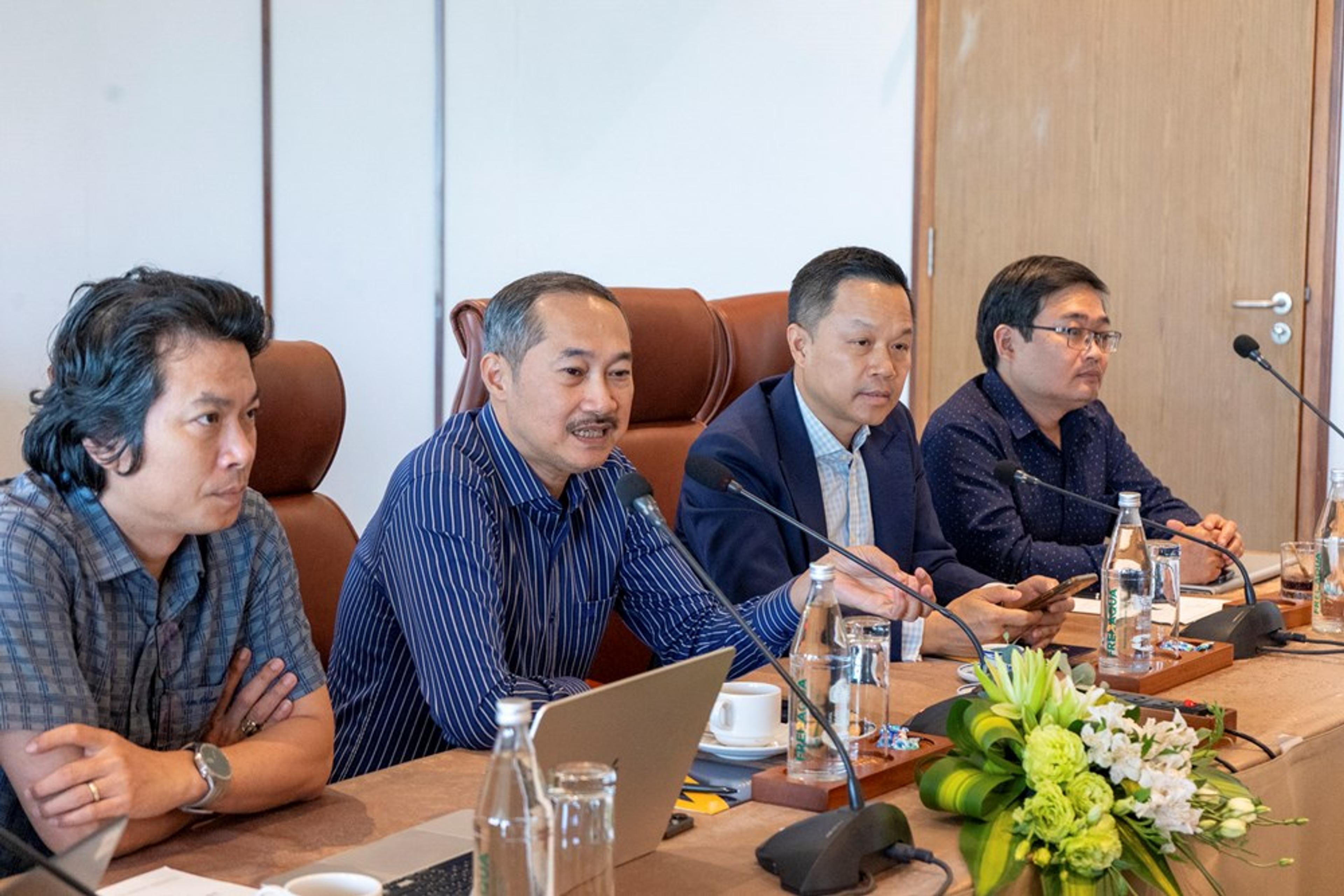
At travel trade fairs, the problem is rarely a shortage of people to meet; it is how to meet the right people within limited time. A buyer can walk past dozens of booths, collect plenty of brochures and sit through many presentations, yet end up with only a handful of conversations that genuinely fit the market they serve. Sellers face the same situation: meeting more people does not necessarily mean more business opportunities.
DITF 2026 has opted for a Pre-scheduled Appointment model to change that. Ahead of the B2B day, buyers and sellers can view each other’s profiles, select suitable partners, send invitations and confirm meetings. The most important part of the screening process has therefore already taken place before the two sides sit down at the same table.
What stands out is that DITF does not start by cutting meetings down to 10 minutes. It starts by raising the quality of who you meet, and only then optimises the time.
When buyers already know what sellers offer, and sellers already have a picture of the buyer’s market and needs, the meeting no longer has to spend most of its time on basic questions. Both sides can go straight to the more valuable topics: whether the product is a fit, what the terms of cooperation would be, where the market still has room to grow, and whether to keep working together after the event.
This is the clearest difference between open networking and the pre-scheduled model. In traditional networking, a single meeting often has to do three things at once: find the right person, get to know them, and only then discuss potential cooperation. With Pre-scheduled Appointments, the first two steps have been partly handled beforehand, so more face-to-face time goes to actual business.
In other words, DITF is not trying to make meetings shorter at all costs. It is trying to make the preparation better, so that when face-to-face time is shortened, the quality of the discussion does not drop with it.
If two companies are complete strangers, 10 minutes is certainly too short. Company introductions alone could take up almost the entire conversation. But when both sides have researched and confirmed each other in advance, the purpose of those 10 minutes changes completely.
Ten minutes is not the time to close a deal. It is the time to establish quickly whether an opportunity is worth pursuing.
If the two sides find they are not a fit, the meeting can end without wasting much time. If there is potential, those 10 minutes can lead to a next step, such as sending a quotation, inspecting the product, building a new programme or holding a more in-depth meeting after the event.
It is precisely because the quality of counterparts has been optimised beforehand that shortening the time creates value. A buyer can meet more sellers in the same day without necessarily sacrificing quality, because the list of partners has been chosen in advance rather than formed at random on the show floor.
Seen this way, a 10-minute meeting can be worth more than 30 minutes of unprepared networking. Not because 10 minutes is more, but because a higher share of the time goes to substance.
Another benefit of Pre-scheduled Appointments is a higher number of relevant meetings in a single day. If a buyer has only one working day, that time is always limited. In open networking, much of it can be scattered across walking around, waiting, looking for partners and starting basic introductions all over again. When these steps are handled in advance, the same working day can accommodate more conversations, each with a clearer objective.
For sellers, the benefit is similar. Instead of preparing one generic pitch for everyone who drops by, a company can know in advance which buyers it will meet, which markets they come from and which product groups they are interested in. This makes the discussion more specific and significantly reduces polite conversations that have little chance of going further.
The strength of this format is that connection density can increase without forcing quality down. A buyer does not need to meet as many partners as possible, but as many suitable partners as possible.
That is the big difference between “more meetings” and “more valuable meetings”.
For international buyers, the benefit is even clearer. Their time in Da Nang is usually short. Every hour spent on an unsuitable meeting is an hour that cannot go to another partner, a product inspection or a destination assessment. Pre-scheduled Appointments therefore reduce the time spent searching and increase the time spent on real work.
DITF has not done away with open networking altogether. Chance encounters still have value and can still create unexpected opportunities. The difference is that the most important trade component is placed within a clearer structure, so that meeting the right people no longer depends so much on luck, booth location or on-the-spot access.
In other words, DITF is not trying to generate as many meetings as possible. It aims to create more relevant meetings within the same amount of time.
That is also why the 10-minute model only truly makes sense when it follows deliberate screening. The value lies not in “meeting faster” but in meeting the right people first, then meeting more of them.
And when buyers arrive with a prepared schedule and sellers know exactly whom they will meet, the trade fair experience changes in a very clear way: from “coming to find people” to “coming to work with the right partners”.
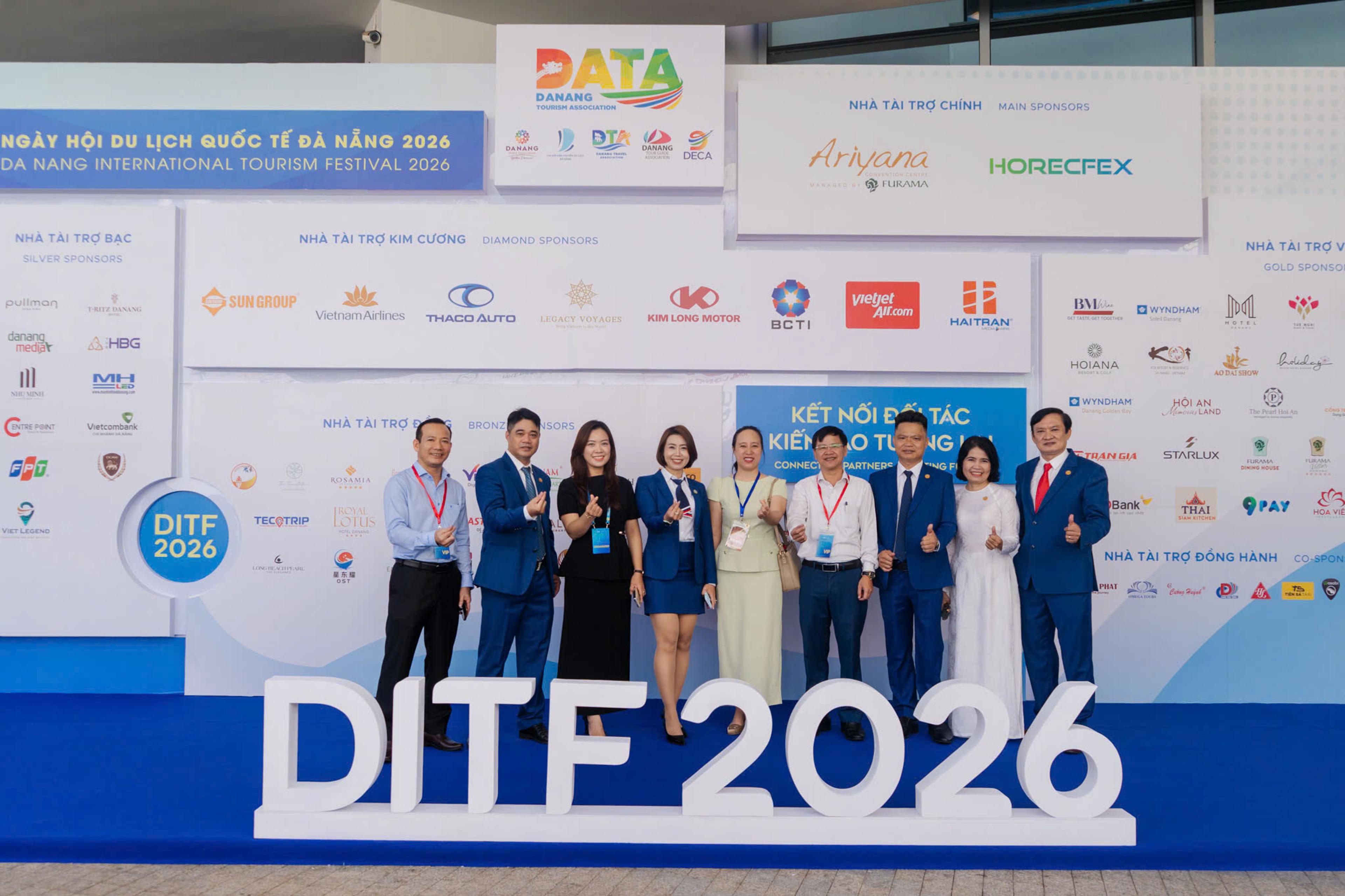
DITF 2026 brings a digital B2B platform into trading: buyers and sellers view profiles, send invitations and fix meetings in advance, making on-site talks more productive.
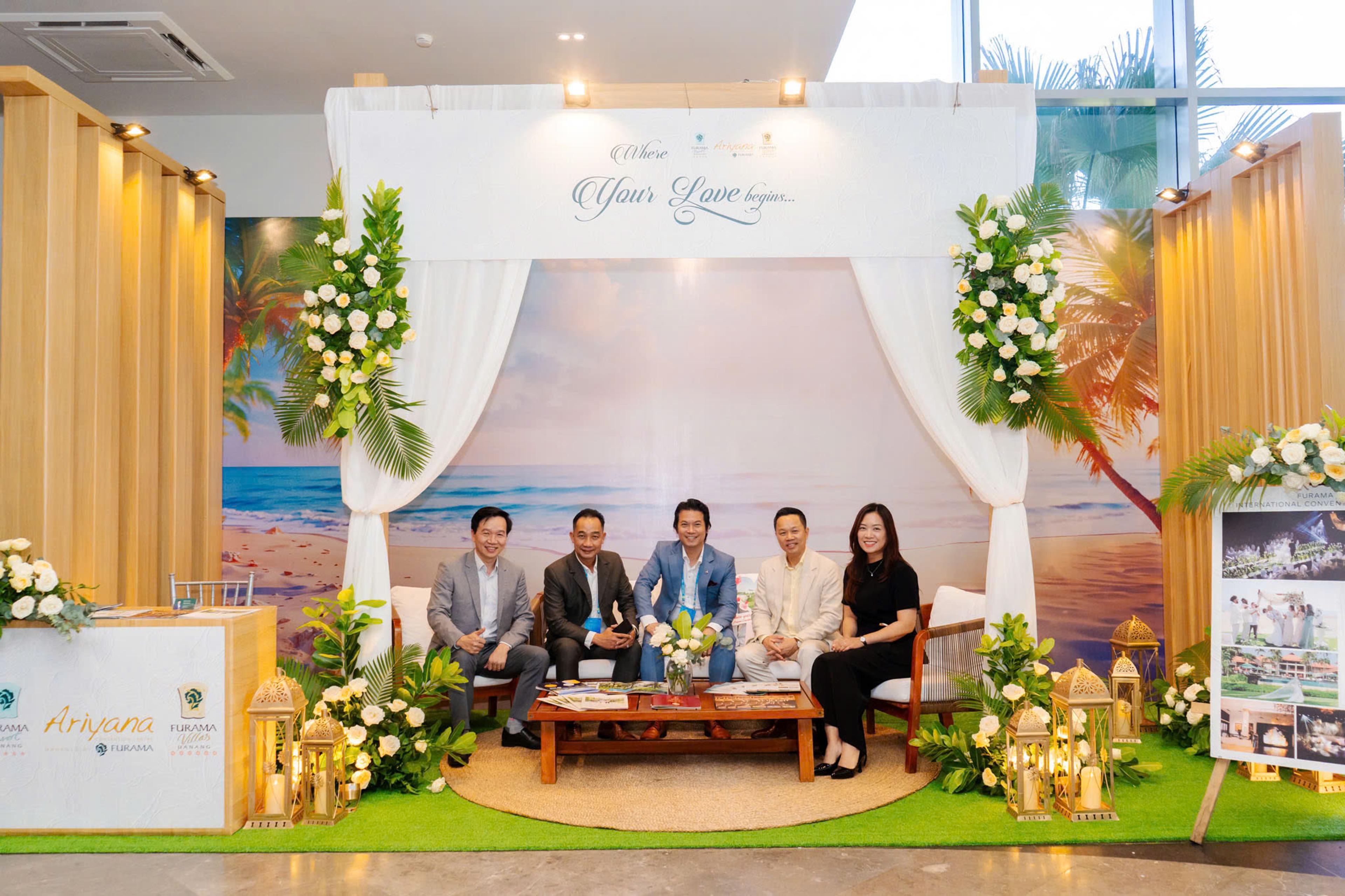
Nguyen Duc Quynh, General Director of the company that manages Furama Resort Danang, explains how to turn a 10-minute B2B meeting at DITF 2026 into a 2027 contract.

DITF 2026 can turn invitations, appointments, check-ins and lead signals into trade data that measures the quality of B2B connections, not just headcount.