
Đang tải… / Loading…
Đang tải… / Loading…
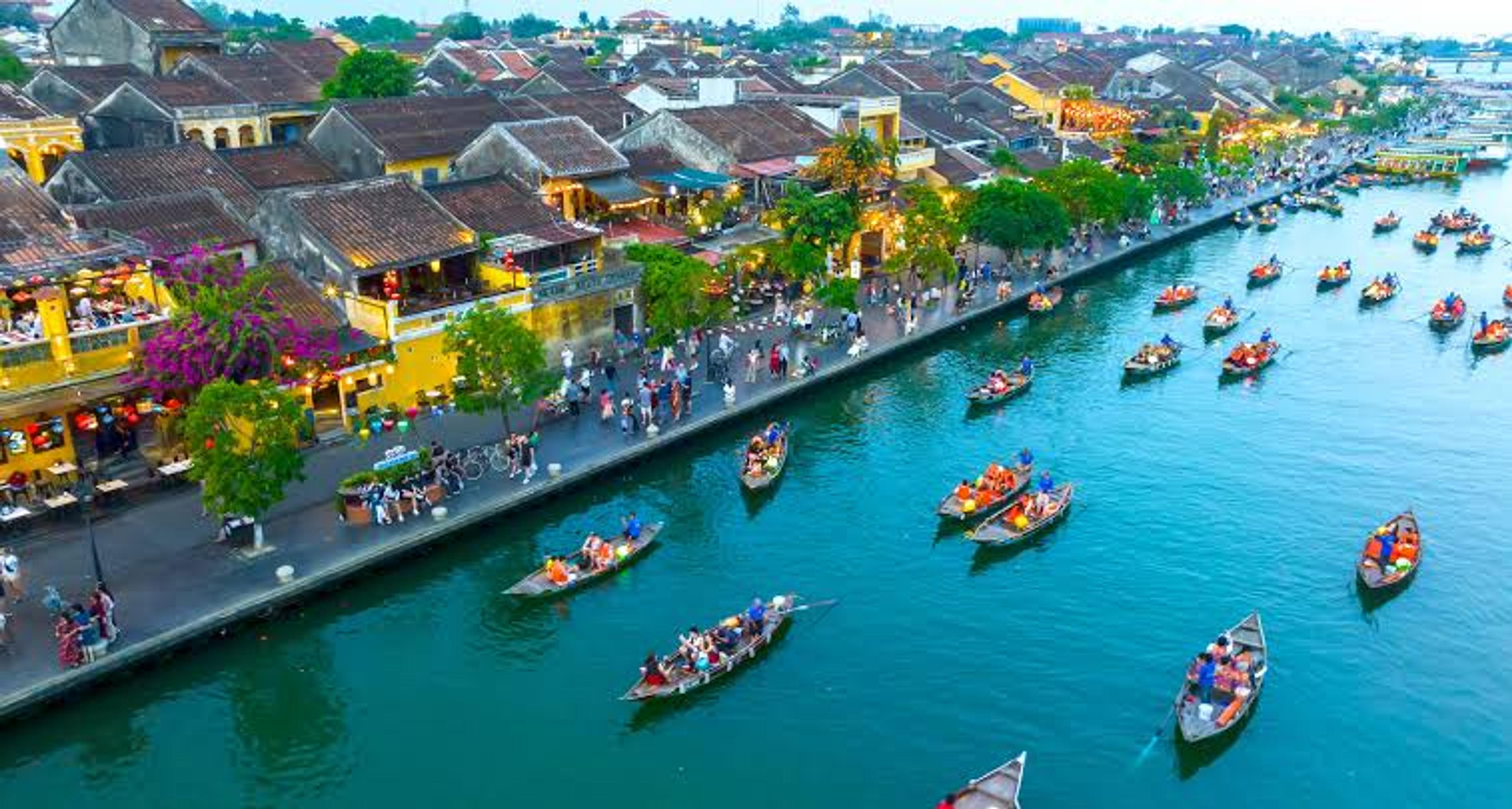
HOI AN LACKS VISITORS: WHAT CAN BE DONE TO BRING TOURISTS BACK FOR A SECOND VISIT?
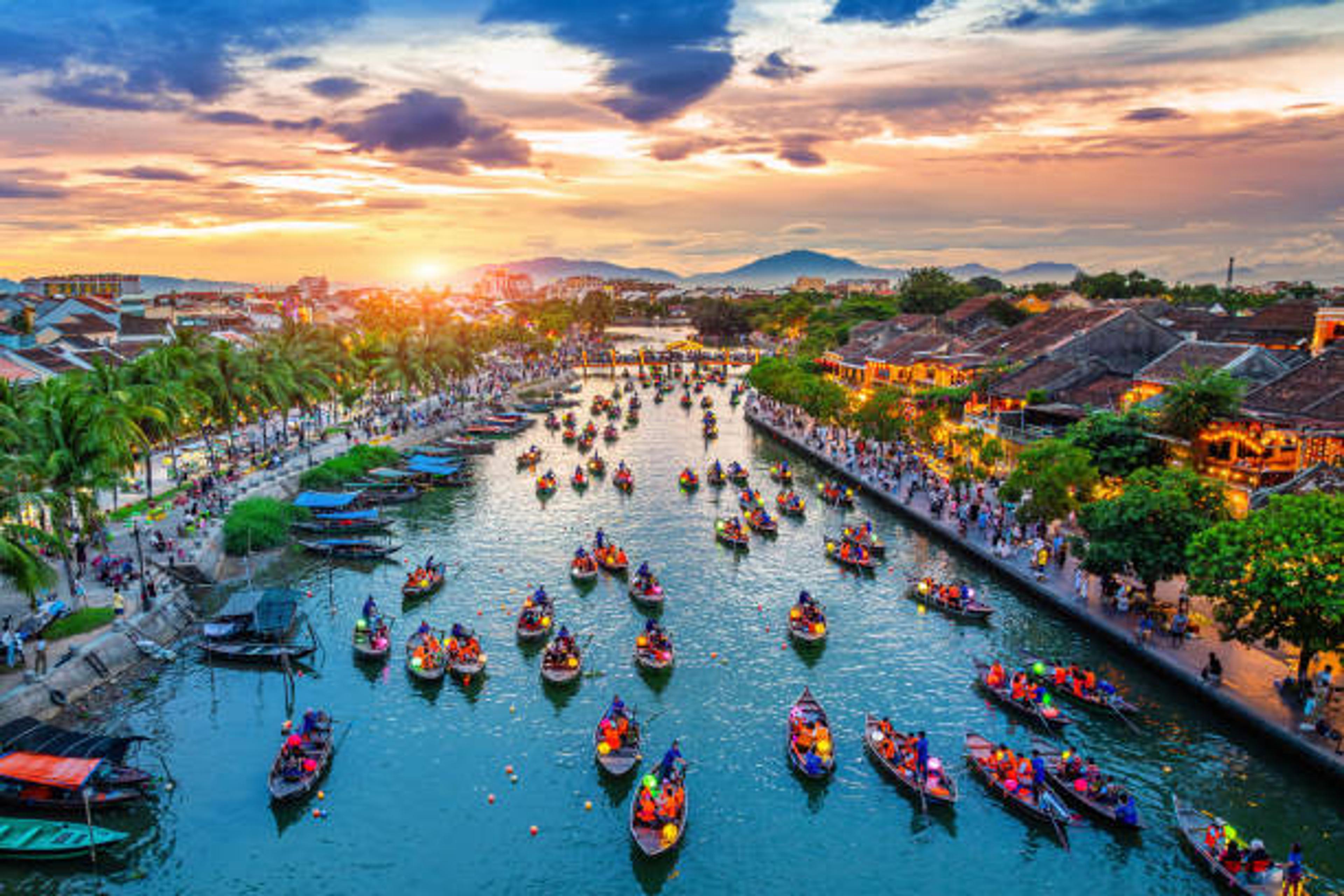
Hoi An has long been one of the prominent tourist destinations in Central Vietnam, attracting visitors with its ancient beauty, unique architecture, and cultural values preserved through generations. However, the image of a sparse ancient town in recent days raises many questions about the appeal and tourism development potential of this destination. In response to this situation, Vice Chairman of the Da Nang Tourism Association Nguyễn Đức Quỳnh suggested that Hoi An needs to change its development mindset, shifting from mass tourism exploitation to building a heritage, cultural, and creative economy.
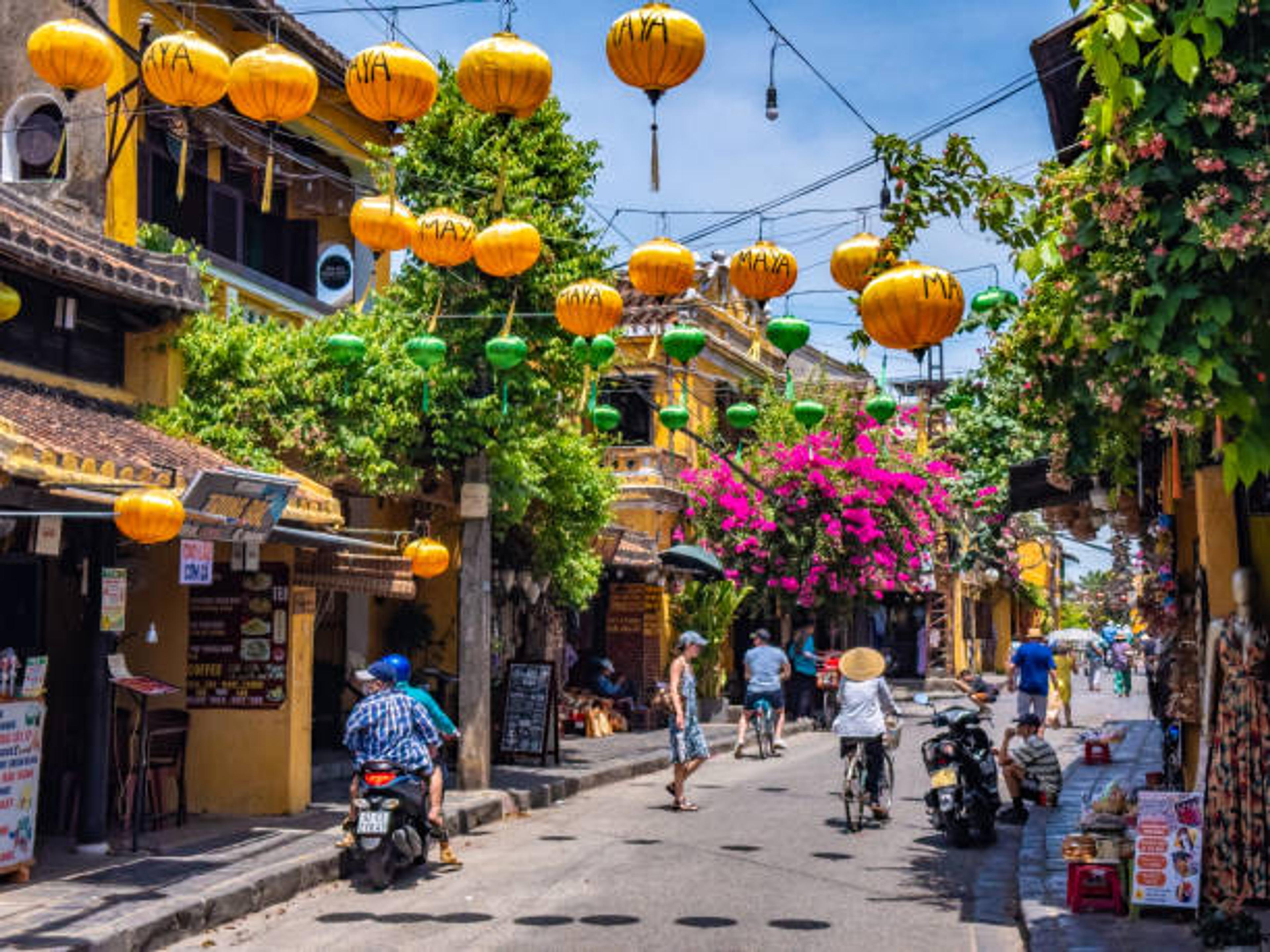
In late October 2026, images of several areas in Hoi An Ancient Town with few tourists caught public attention. Chùa Cầu (the Japanese Covered Bridge), Hoi An Market, and many streets that were once bustling with visitors now experience rather quiet periods.
In reality, Hoi An tourism is influenced by various factors. Weather, floods, global economic fluctuations, fuel prices, and instability in some international markets can all impact tourists' travel decisions.
In addition to objective factors, some opinions also raise concerns about service prices, commercialisation, and the lack of new experiences in the ancient town.
According to Mr. Nguyễn Đức Quỳnh – Vice Chairman of the Da Nang Tourism Association, one should not look only at a low-season period to assess Hoi An's appeal. However, feedback from tourists is an important basis for the local authority to review how they exploit and develop tourism products.
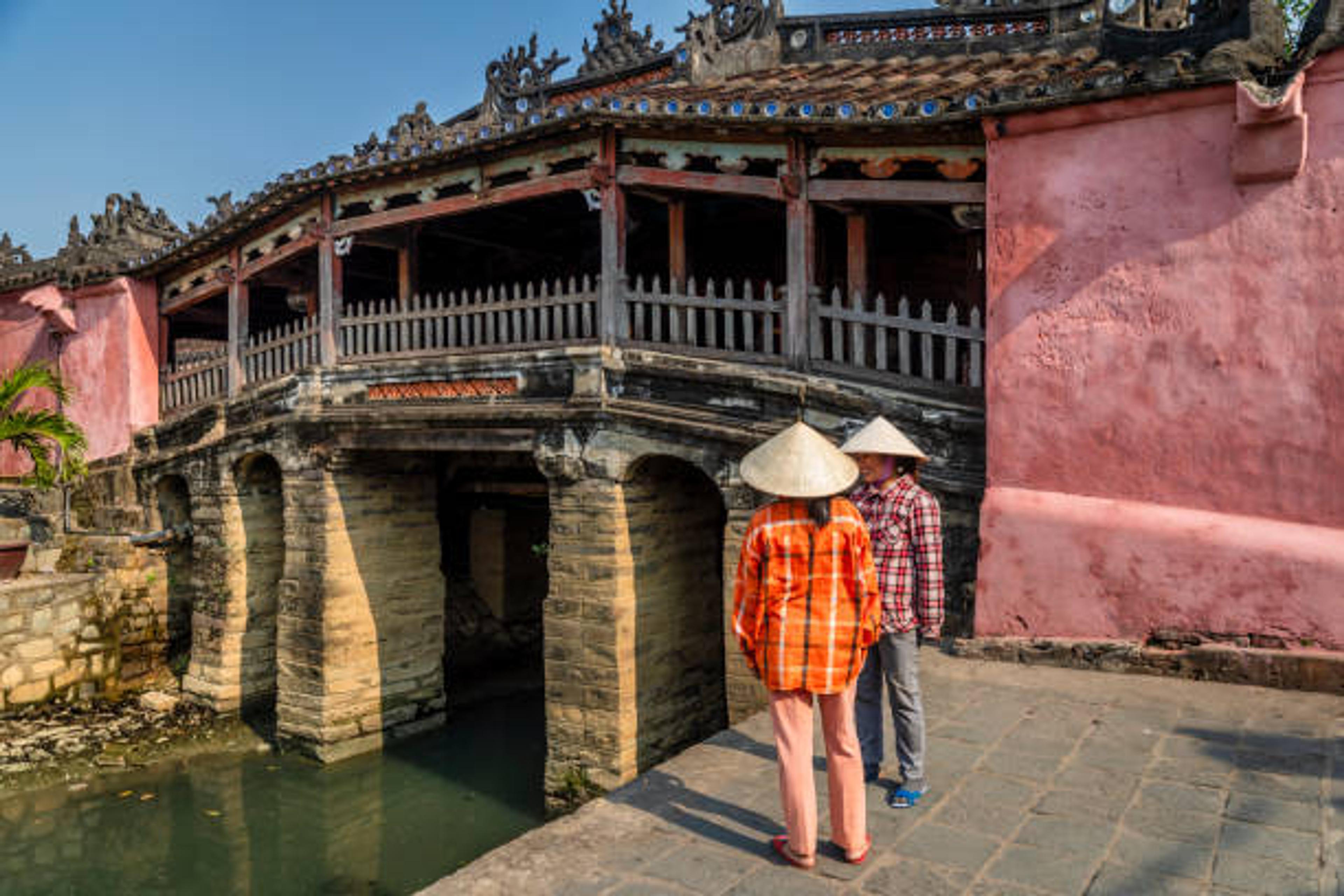
Hoi An possesses many outstanding advantages that not every destination has. It is an ancient trading port town with architecture blending Eastern and Western cultures, ancient houses, assembly halls, Chùa Cầu, the poetic Hoai River, along with a rich system of traditional crafts and cuisine.
For first-time visitors, walking through small streets, watching lanterns, enjoying cao lầu, Quảng noodles, or experiencing releasing paper lanterns on the Hoai River is enough to create unforgettable impressions.
However, the question is: what will make them want to return for a second or third time?
If tourism activities still mainly revolve around sightseeing, taking photos, shopping, and dining, tourists' experiences may gradually become familiar. A destination that wants to retain visitors long-term needs not only beautiful landscapes but also must continuously create new reasons for tourists to explore.
From the perspective of Mr. Nguyễn Đức Quỳnh, Hoi An needs to transform from a mere sightseeing destination into a place for tourists to explore, enjoy, learn, and experience local cultural values more deeply.
One of the notable proposed directions is to develop Hoi An under the model of an art and creative town. Instead of continuing to expand similar business activities, the ancient town needs more cultural spaces with their own identity.
Art galleries, bookstores, specialized museums, craft workshops, exhibition spaces, and cultural activity venues can become new stops in the journey to discover Hoi An.
Notably, the idea of building the "Hoi An Art Walk" program is considered a potential direction. Through exhibitions, art exchanges, and creative experiences, tourists can approach Hoi An from different perspectives instead of just visiting familiar landmarks.
In addition, the proposal to build the "Hoi An – World Silk Port" model also opens up a development direction associated with the international trading history of the ancient town.
Under this direction, Hoi An can establish display spaces, specialized museums, design workshops, and silk exchange activities with countries that historically had trade relations with Hoi An port, such as Japan, China, India, Italy, and France.
Visitors will not only learn about the history of silk but also have the opportunity to meet artisans, experience the hand-weaving process, and discover collections that change with the seasons. This is a way to turn heritage values into deep tourism products capable of attracting returning visitors.
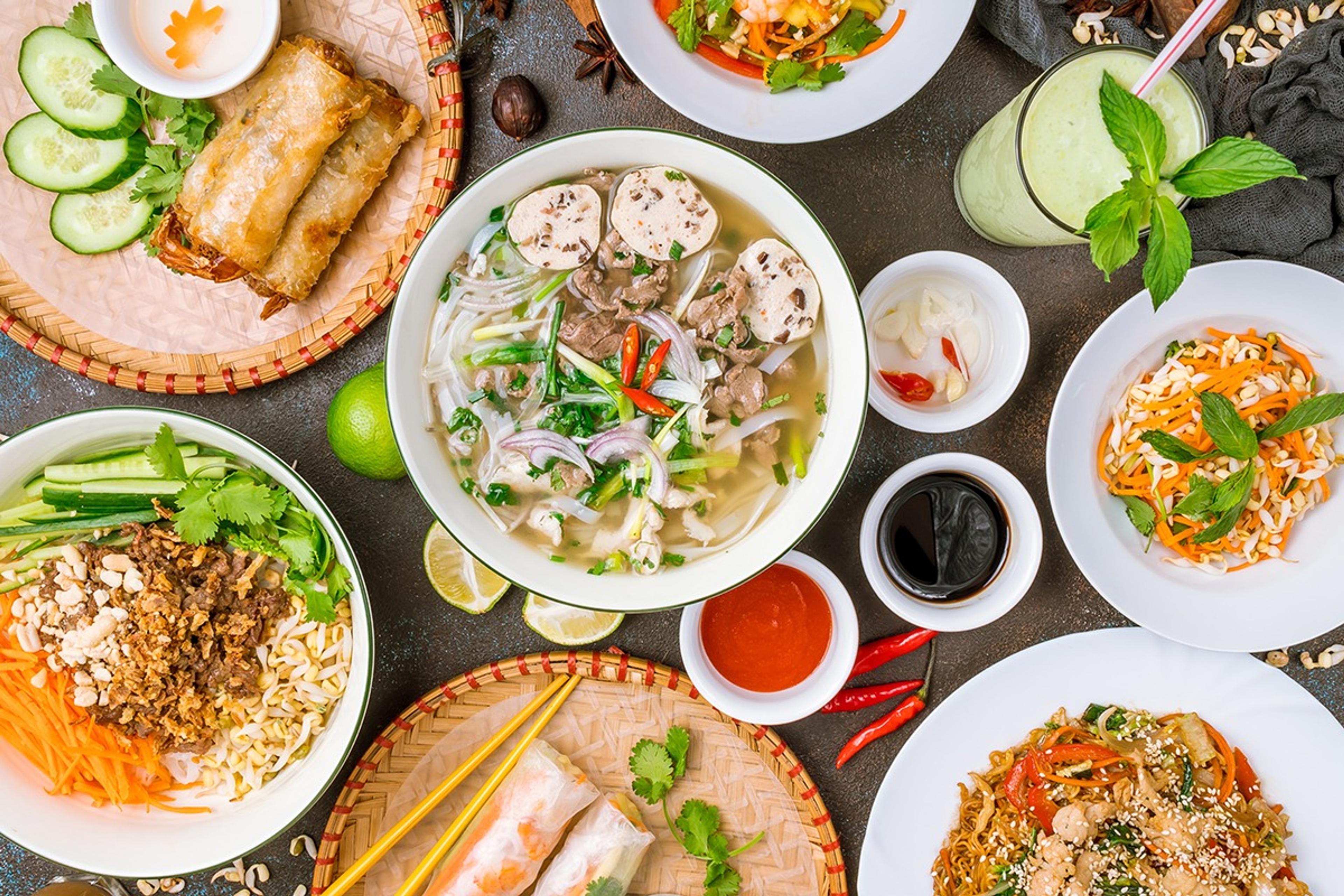
In addition to architecture and culture, cuisine is also one of the key elements contributing to Hoi An's identity.
Signature dishes such as cao lầu, Quảng noodles, Hoi An chicken rice, white rose dumplings, or rustic dishes with local flavors have long been an indispensable part of the journey to explore the ancient town.
However, for cuisine to truly become a driver to attract tourists, Hoi An needs to develop dining experiences with quality and unique identity. Going beyond serving basic dining needs, restaurants can combine cultural stories, local ingredients, traditional cooking methods, and distinctive dining spaces.
Restaurants with unique concepts, well-invested menus, and distinct service experiences can become destinations that tourists actively seek out when planning their visit to Hoi An.
In particular, combining cuisine with experiential activities such as cooking classes, visiting local markets, learning about traditional ingredients, or enjoying meals in distinctive architectural spaces will help make the journey of discovery richer.
This is also a development direction that helps extend the length of stay, increase spending, and create more motivation for tourists to return.
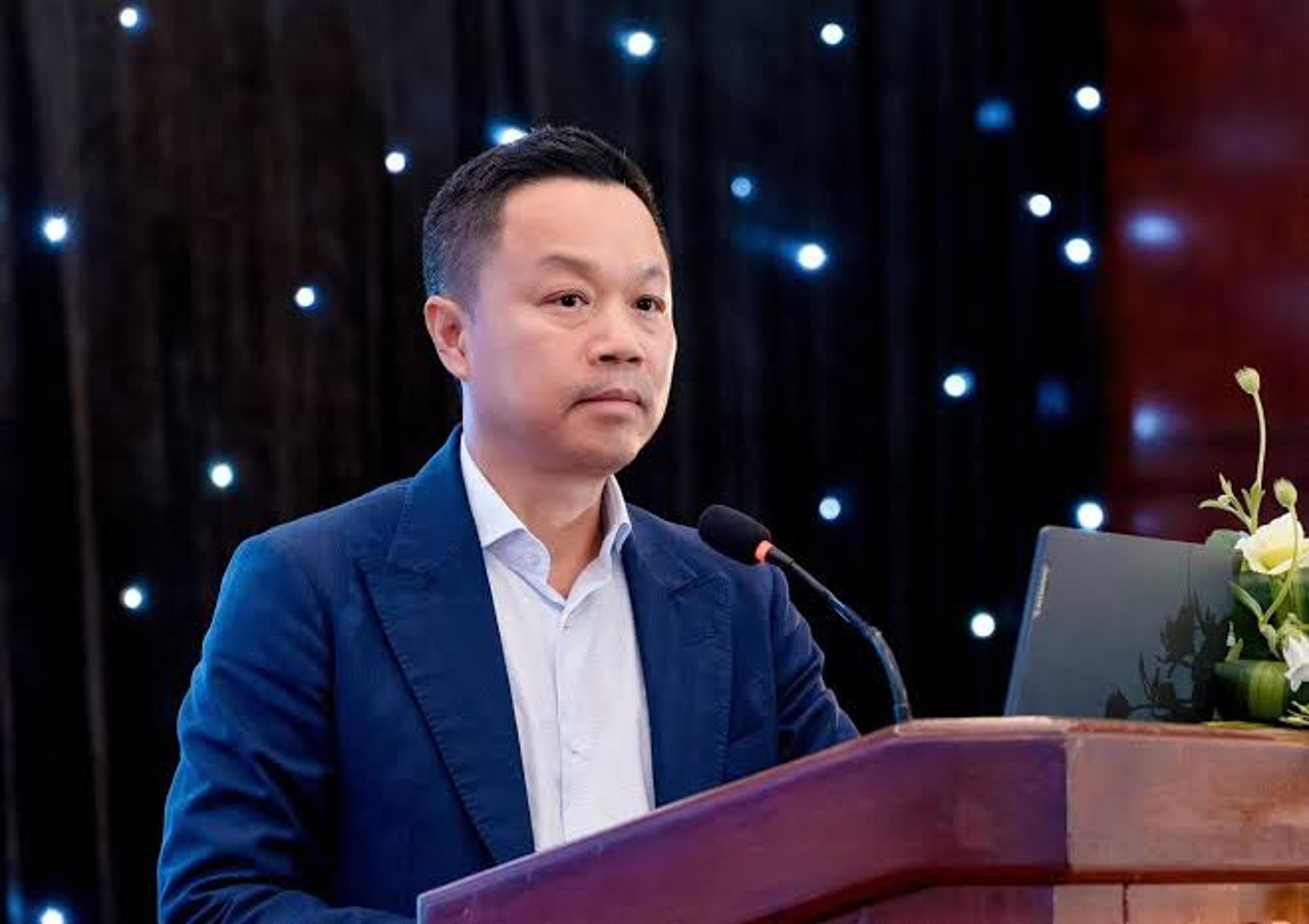
One of Hoi An's major challenges today is balancing tourism business activities with heritage conservation.
According to Mr. Nguyễn Đức Quỳnh, the local authority needs to focus on controlling noise, traffic, street vendors, signage, and business activities within the heritage space. Tourism development must go hand in hand with protecting the landscape, architecture, and local community life.
This is because Hoi An's appeal comes not only from ancient houses or glowing lanterns but also lies in the simple daily life of local residents, traditional crafts, and cultural features maintained through generations.
When commercial activities overdevelop, original values risk being overshadowed. Therefore, preserving the local resident community and creating conditions for traditional cultural activities to continue to exist are crucial factors in the long-term development strategy.
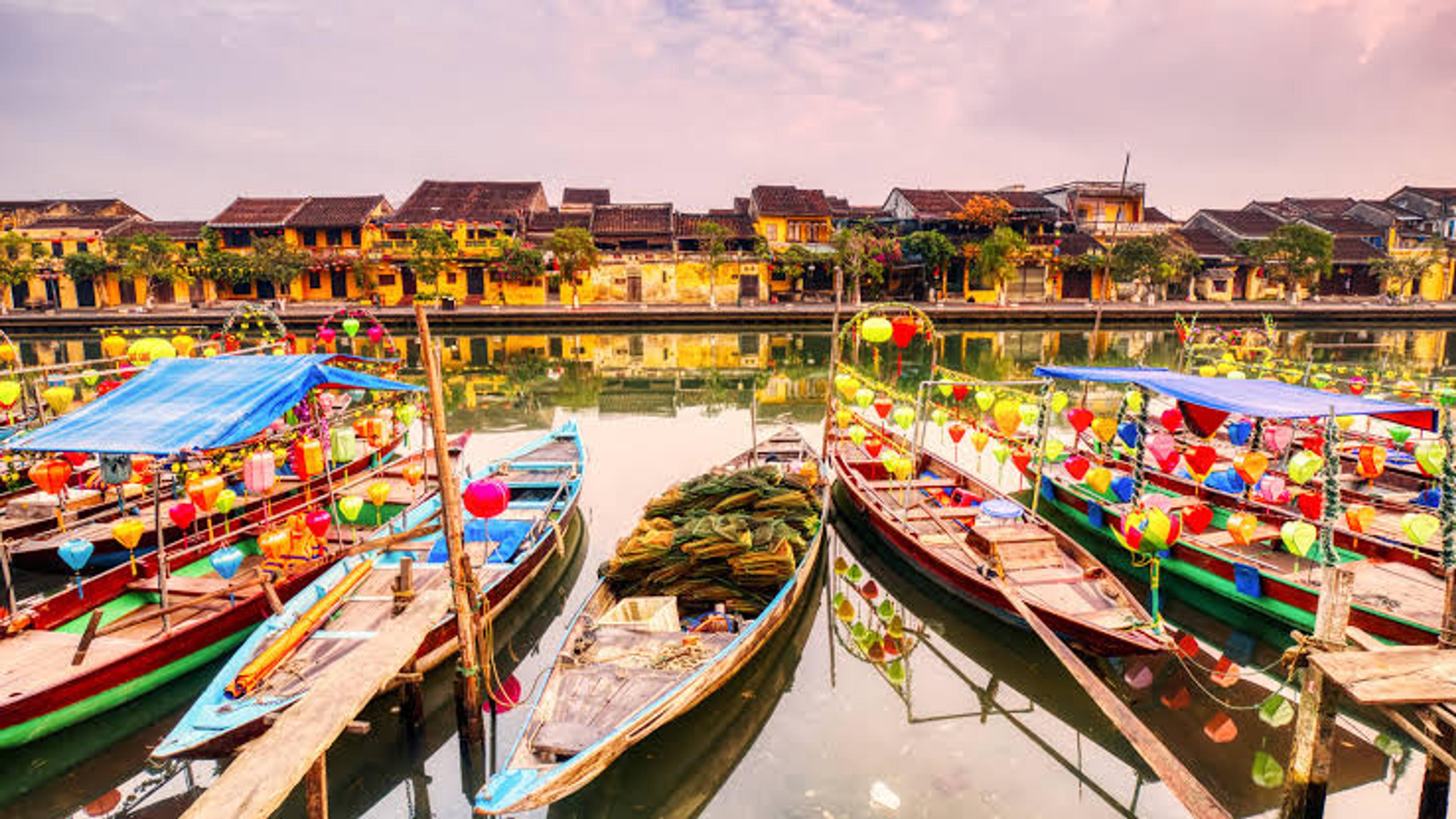
Hoi An does not lack tourism resources; the important thing is how those values are transformed into specific products and experiences.
Instead of just focusing on increasing the number of visitors, the destination should aim for the quality of experience, length of stay, and tourist satisfaction. New tourism products, art activities, creative spaces, traditional craft experiences, and quality culinary services will contribute to creating a distinct appeal.
In addition, coordination among the government, tourism businesses, travel agencies, and the local community plays an important role in building a synchronized tourism ecosystem.
Hoi An still possesses special advantages in heritage, culture, and landscape. The issue does not lie in searching for a completely new image but in exploiting existing values in a more creative and profound way.
From the story of the quiet ancient town, an important requirement is set for Hoi An tourism: not just how to get tourists to visit once, but also to create enough attractive experiences to make them want to return multiple times. This is the foundation for Hoi An to maintain its appeal, improve destination quality, and aim for sustainable tourism development in the future.
Hoi An has long been one of the prominent tourist destinations in Central Vietnam, attracting visitors with its ancient beauty, unique architecture, and cultural values preserved through generations. However, the image of a sparse ancient town in recent days raises many questions about the appeal and tourism development potential of this destination. In response to this situation, Vice Chairman of the Da Nang Tourism Association Nguyễn Đức Quỳnh suggested that Hoi An needs to change its development mindset, shifting from mass tourism exploitation to building a heritage, cultural, and creative economy.
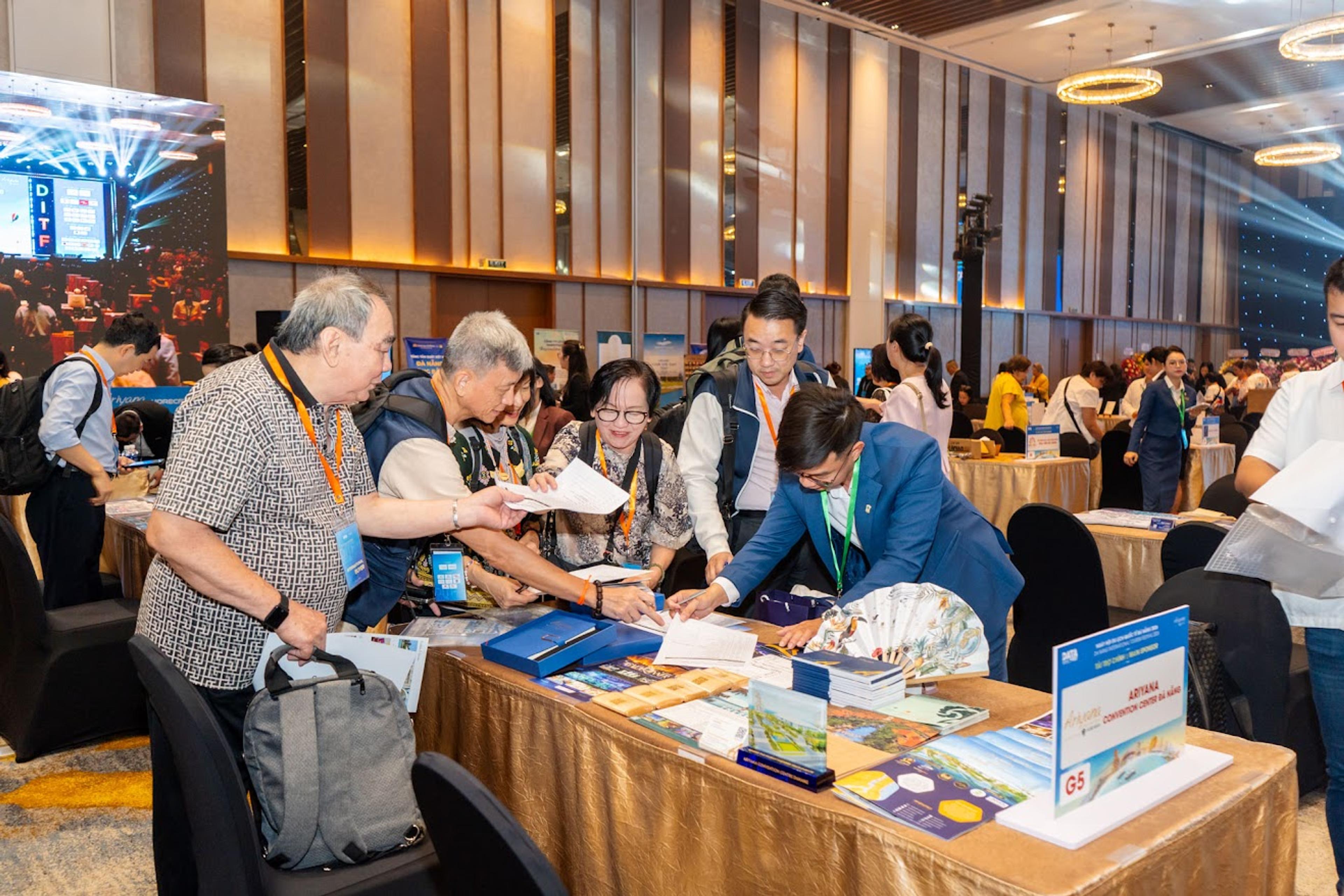
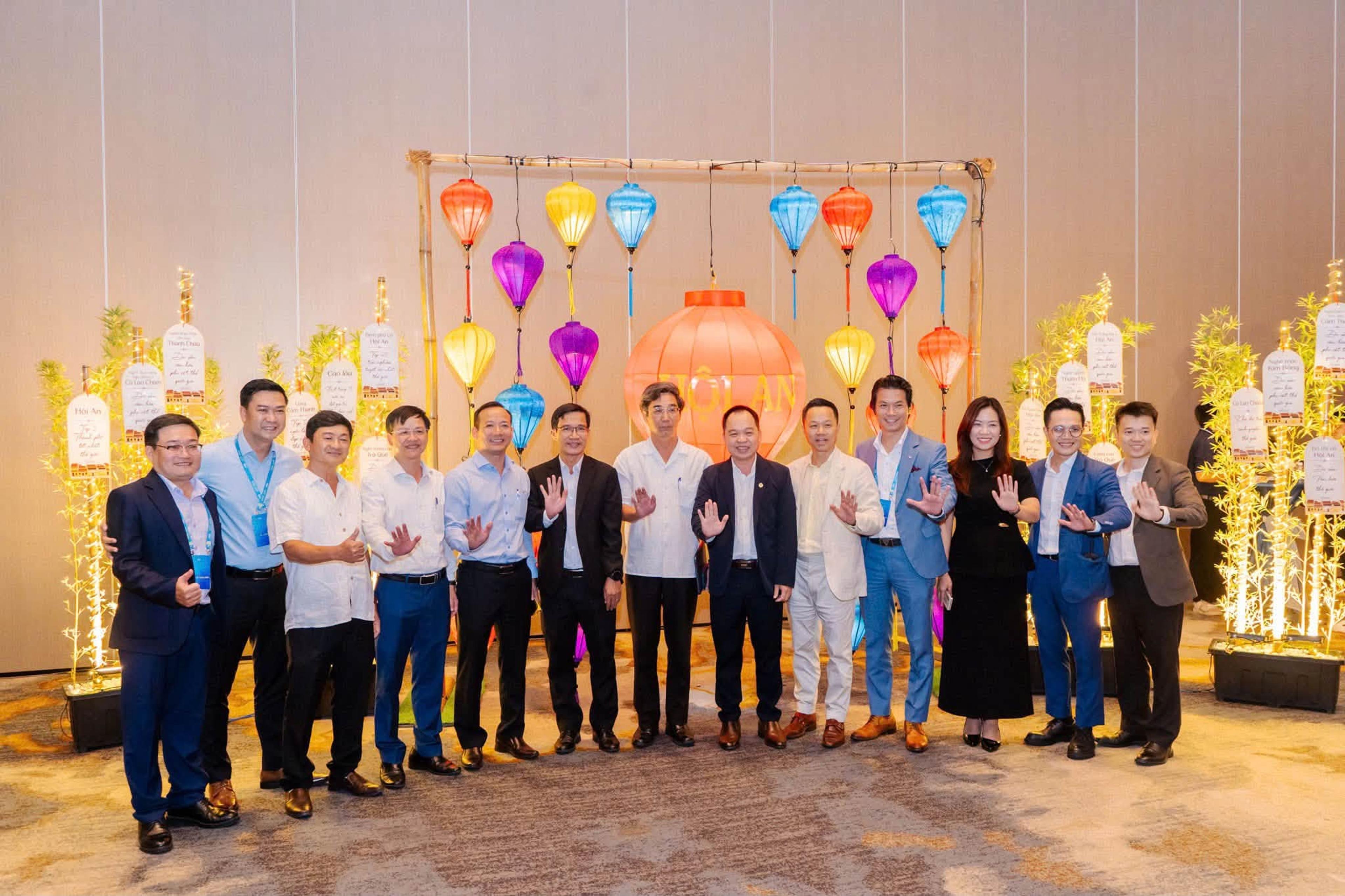
Looking back at the DITF 2026 Gala Dinner at the Ariyana Convention Centre Danang, featuring outstanding artistic performances, sponsor recognition, and moments of connection between domestic and international tourism partners.
DITF 2026 Day 1: Connecting International Trade, Boosting Da Nang Tourism

DITF 2026: Da Nang Ready to Open the International Tourism Festival, Expanding Global Cooperation Opportunities