
Đang tải… / Loading…
Đang tải… / Loading…
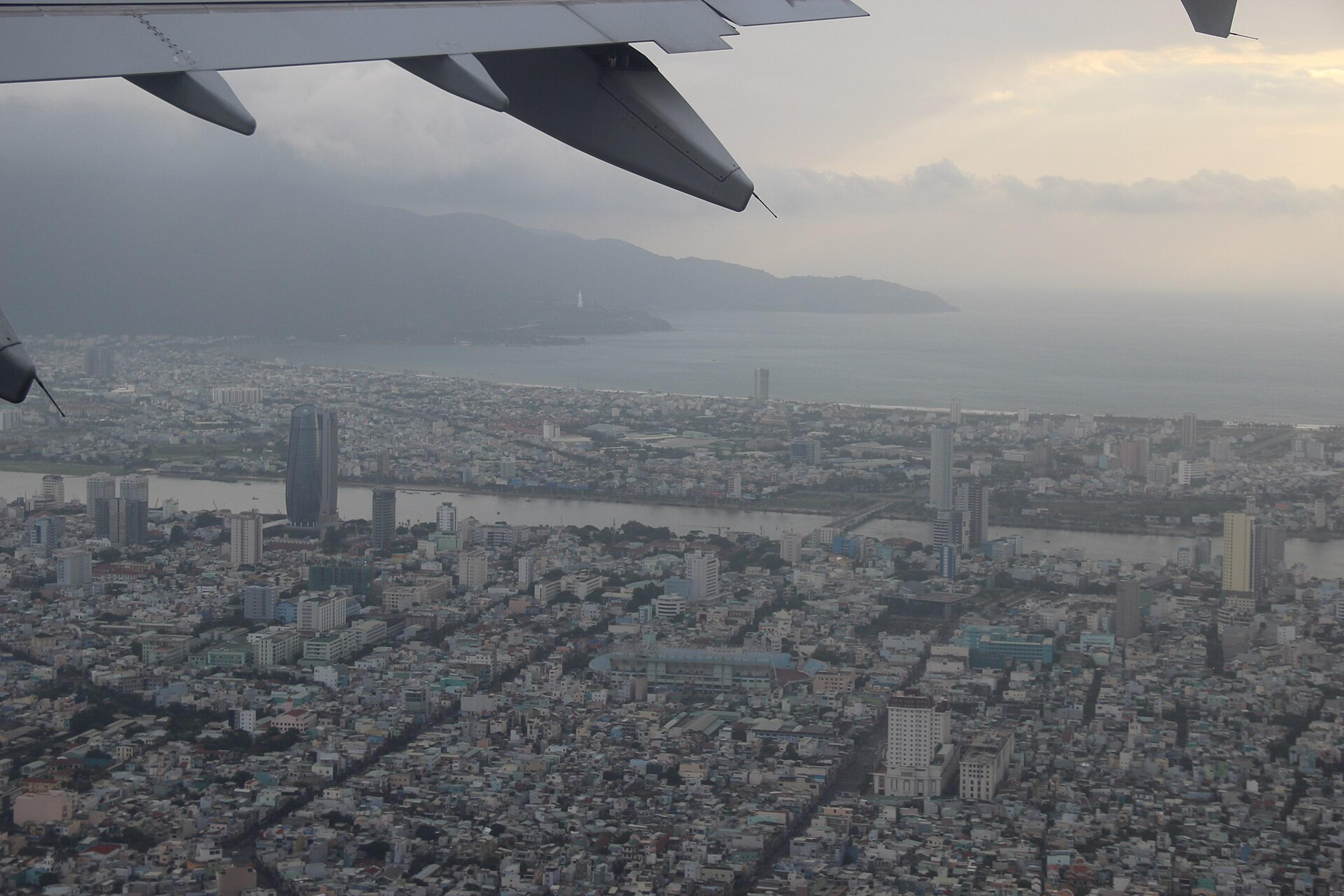
A trip has never been just a hotel room.
Behind a few days’ holiday in Da Nang lies an entire chain of services that must run in sync: the flight that brings visitors in, the tour operator that builds the itinerary, the hotel that welcomes guests, the transport linking each stop, the restaurants that create the dining experience, and the golf courses, convention centres, spas, attractions and local activities that fill out the rest of the trip.
For international buyers, that is what they really need to buy: a complete journey, not a collection of stand-alone services.
That is also why DITF 2026 matters beyond ordinary buyer–seller meetings. When more than 300 sellers, more than 150 international buyers and more than 400 domestic buyers come together in one trade network, the biggest opportunity is not just for each business to sell its own product, but for many links in the chain to create, together, a product complete enough to take to market.
A hotel may have a great location and several hundred rooms. An airline may add more flights. A golf course may hold good tee times. A restaurant may have an attractive menu.
But for a buyer, none of these individual strengths adds up to a product yet.
A tour operator in South Korea, for example, needs to know much more: which days guests will fly in, where they will stay, which courses they will play, how long the transfers take, what they will eat after the round, what non-golfers will do, and whether the whole programme is attractive enough for guests to stay one or two extra nights.
MICE buyers face a similar equation. They do not just ask about ballroom capacity. They need to know whether there are enough rooms for the whole group, how airport transfers will be organised, where the gala dinner will be held, what sets the team-building activities apart, and how guests can carry on relaxing or exploring the destination after the conference.
So what buyers are really assessing is not just the capability of a single supplier.
They are assessing the ability of the whole destination to work together to deliver a complete journey.
This matters especially for a destination like Da Nang, whose advantage does not rest on a single product.
The beach is an advantage. MICE is an advantage. Golf, wellness, cuisine, entertainment and easy connections to Hoi An and Hue are all advantages too.
But each of them only becomes truly powerful when they are placed within the same journey.
A four-day beach holiday can become five or six days with the addition of a round of golf, a wellness programme or a cultural experience itinerary. A MICE group can generate extra room nights if guests stay on after the conference. A wedding group can bring additional revenue to restaurants, transport, attractions and experience services before and after the ceremony.
This is the difference between selling a service and selling the value of the whole destination.
In the second model, revenue does not stop where guests sleep. It spreads to where they eat, play, travel, meet and have experiences.
Air routes are one of the first conditions for a market to take shape.
But having flights only answers the question of whether visitors can come.
The more important question is: once they arrive, do visitors have enough reasons to stay longer?
This is where the role of the whole chain becomes clear.
If a market has convenient flights but a thin product at the destination, visitors may still stay only a few days. Conversely, when beach holidays are combined with golf, wellness, cuisine, entertainment and local experiences, each flight can generate more room nights, more use of services and higher spending.
So the value of aviation should not be judged by seat numbers alone.
The greater value lies in how many room nights, meals, rounds of golf, attraction tickets and experiences at the destination each seat is converted into.
That is when tourism growth no longer sits with a single business but is spread across the entire ecosystem.
No segment shows the need for supply-chain cooperation more clearly than MICE.
A group of several hundred or several thousand guests cannot be handled by a single company.
Airlines must ensure access. Hotels must have enough rooms. Convention centres must meet technical requirements. Transport providers must run schedules precisely. Restaurants, gala venues, team-building and post-event activities must all fit into the same plan.
A single faulty link can affect the experience of the entire group.
That is why MICE buyers do not simply choose a hotel or a convention centre.
They choose the operational capability of the whole destination.
DITF creates very practical value by bringing businesses that sit at different points in the chain into one trading space. A buyer does not have to go looking for each separate partner alone. Nor does a hotel need to try to meet every requirement beyond its own capacity.
The parties can build solutions together.
And it is precisely this ability to answer a big brief together that creates Da Nang’s competitive edge.
The same is true of specialist product groups.
An international golfer needs more than a golf course. They need suitable tee times, convenient transport, a resort close enough to the course, dining options, a spa for recovery and a programme for those travelling with them.
A wedding group needs more than a beautiful beach. They need hundreds of rooms, multiple ceremony spaces, transport, catering, decoration, entertainment and experiences for guests before and after the ceremony.
Nor does a wellness guest simply buy a spa treatment. A competitive product may need to combine long stays, yoga, nutrition, therapy, outdoor activities and cultural experiences.
In each case, value does not come from one excellent service standing alone.
It comes from the ability of many services to create one consistent experience together.
This is also exactly what buyers see when they assess a destination for the next season.
One notable shift in how tourism products are viewed is that services once considered secondary are increasingly shaping the overall experience.
A local meal can be the most memorable moment of a trip. A new attraction can give a buyer a reason to refresh a programme. A good transport route can make an itinerary feel more relaxed. A distinctive cultural experience can set Da Nang apart from other beach destinations in the region.
So F&B, attractions and transport are no longer just there to “fill the gaps” in a tour.
They are the components that make product differentiation possible.
This also opens up big opportunities for small and medium-sized businesses. A restaurant, a transport provider, an experience company or a local attraction may not directly own a flow of international guests, yet it can become an indispensable part of a package that a tour operator or hotel brings to market.
When partners build a complete package together, the benefits do not go to the buyer alone.
A well-designed product can help guests stay longer, spend more and use more services.
A guest who only spends two nights at the beach generates a certain level of value. But if they stay an extra day to play golf, add a wellness session, eat at a local restaurant and join a cultural experience, the value of that same visit changes significantly.
What is notable is that this added value is not concentrated in one place.
Hotels benefit.
Restaurants benefit.
Golf courses benefit.
Transport providers benefit.
Attractions and experience businesses benefit too.
That is why supply-chain cooperation matters for a destination’s long-term growth: it helps each visit create broader value instead of simply producing greater numbers.
One of the most valuable opportunities at DITF is that products can take shape right in the course of networking.
A buyer arriving with a MICE requirement can start with a meeting with a venue, then connect with hotels, transport providers, gala venues and team-building providers.
A golf tour operator can meet a resort first, then be connected with golf courses, transport providers and wellness services.
A wedding buyer can walk into the event with an initial request and leave with a whole group of partners capable of running the programme together.
Networking is then no longer just an exchange of contact details.
It becomes a process of assembling a supply chain around a specific business need.
This is also how businesses should look at DITF.
Not just asking: “What can I sell to this buyer?”
But also: “Who do I need to team up with to create a product this buyer really wants to buy?”
An international buyer considering Da Nang for 2027 will not look at each business in a separate box.
They look at the whole trip.
Are the flights convenient?
Is there enough choice of accommodation?
Is there sufficient MICE capacity?
Is there golf, wellness, cuisine, entertainment or any experience strong enough to extend the journey?
Is getting around easy?
How can the trip connect with Hoi An, Hue and other destinations in Central Vietnam?
Each business can only answer part of those questions.
Real competitiveness emerges when the entire ecosystem can deliver one complete answer together.
That is also the greatest significance of airlines, tour operators, hotels and destinations sitting at the same table at DITF: not for each party to sell one more service of its own, but to create, together, journeys good enough that international markets want to sell them, travellers want to buy them, and more of the value stays in Da Nang.
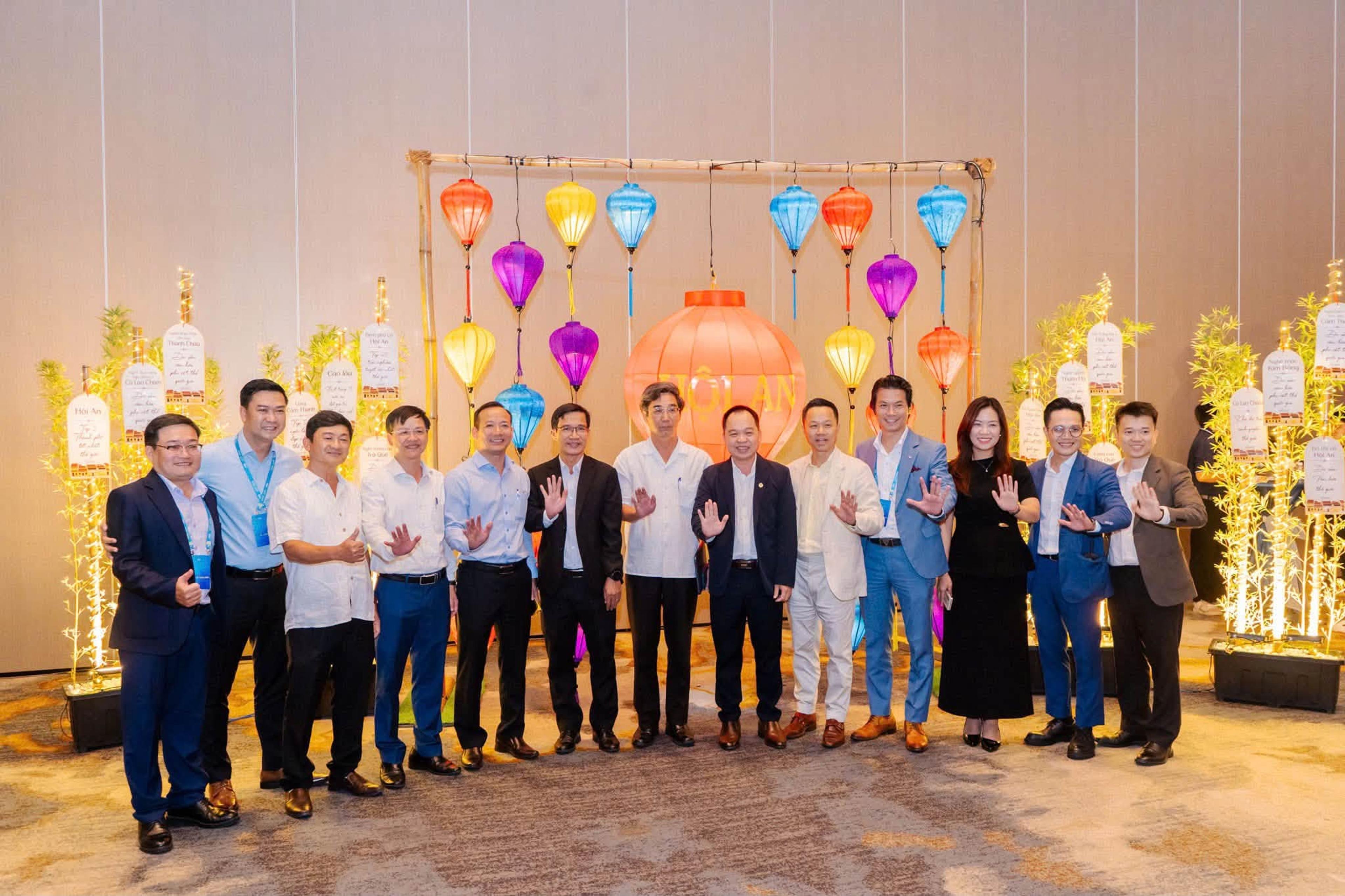
DITF 2026 Day 1: Connecting International Trade, Boosting Da Nang Tourism
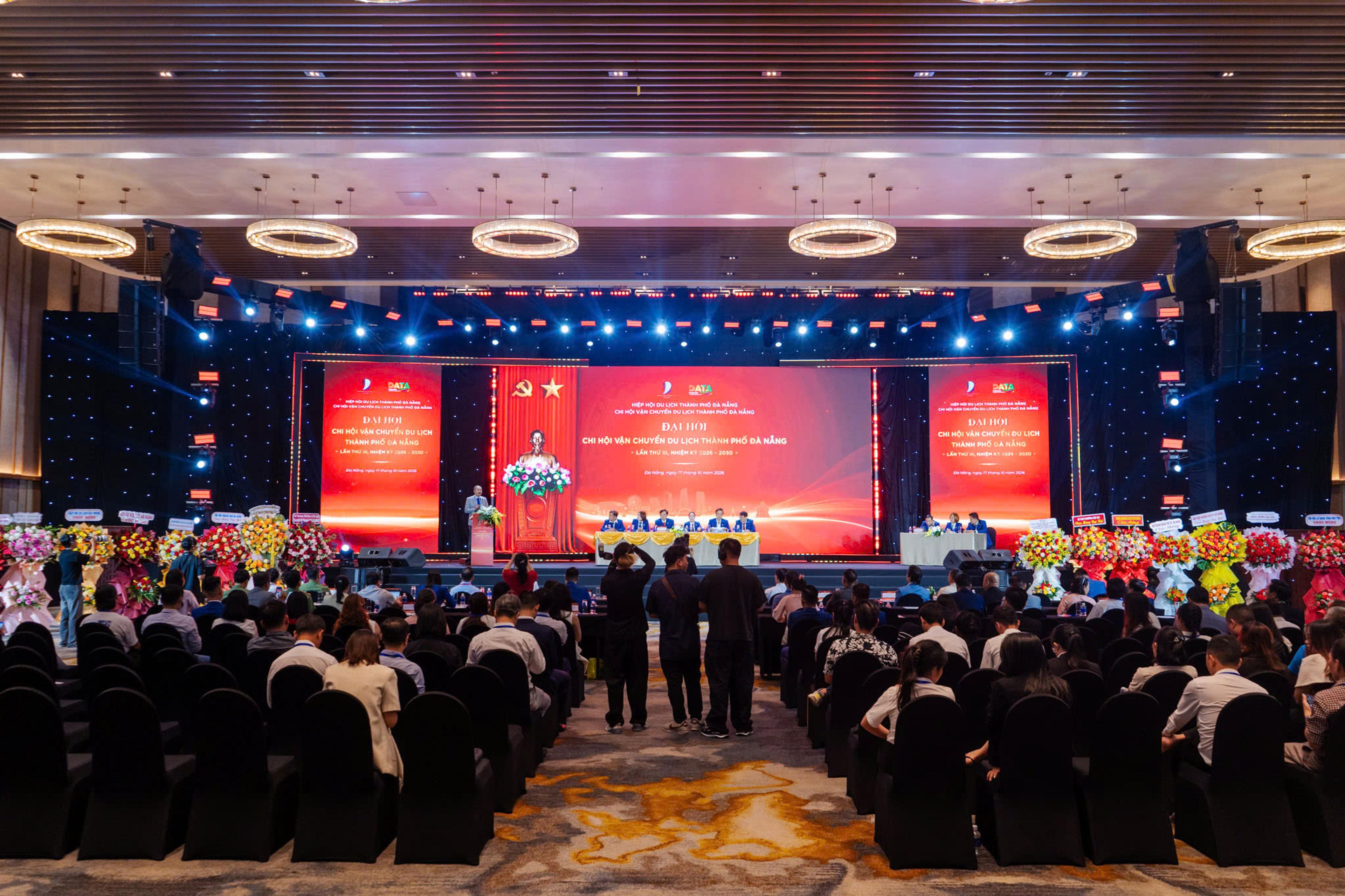
DITF 2026 opened on 17 October at Ariyana Convention Centre Danang, bringing together more than 300 suppliers, 150 international buyers and 400 domestic buyers.
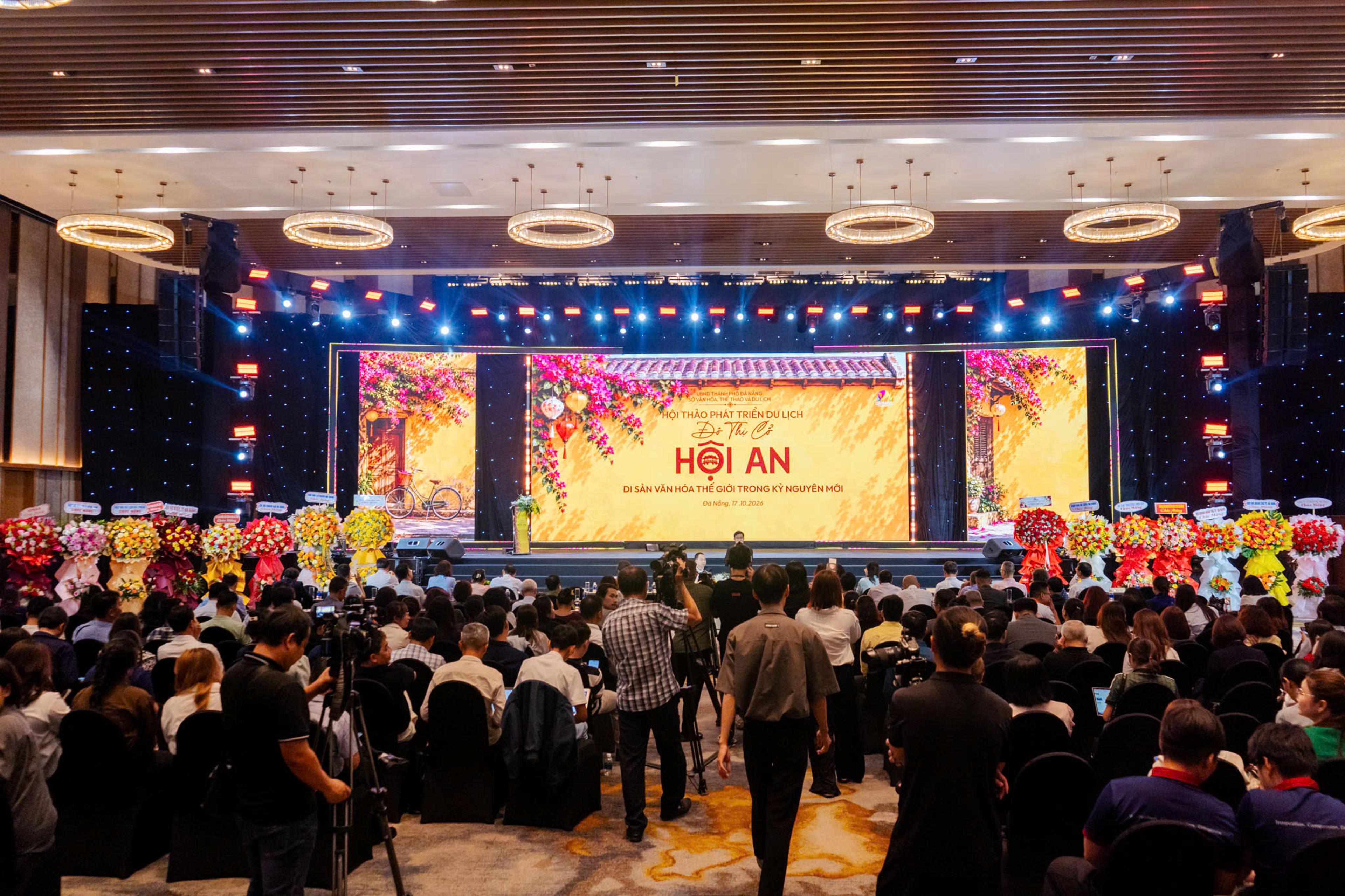
A workshop on tourism development in Hoi An Ancient Town, a World Cultural Heritage site, took place on 17 October at DITF 2026 with nearly 200 delegates.