Đang tải… / Loading…
Đang tải… / Loading…
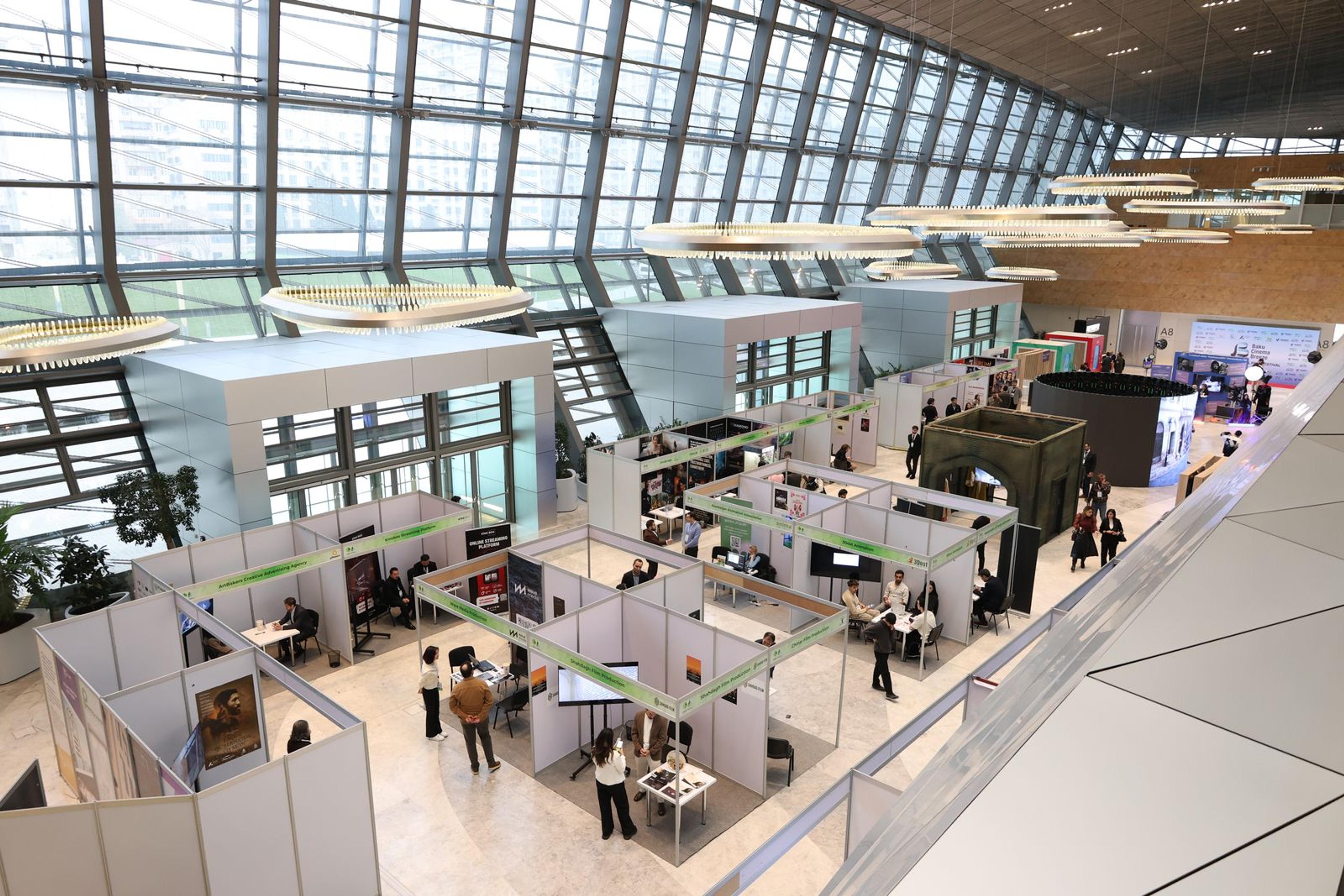
An airline, a resort group, an attraction or a tour operator will each walk into DITF with very different goals.
Airlines need more passenger flows to fill their seats. Hotels need distribution partners and new sources of guests. Attractions need to be written into itineraries. Tour operators are looking for products distinctive enough to build tours around. And international buyers need a network wide enough to assemble all of those services into programmes they can sell to their clients.
That is why the presence of big names at DITF 2026 means more than a list of exhibitors.
The official DITF website currently features leading participants such as Vietnam Airlines, Vietjet Air, Sun World Ba Na Hills, InterContinental Danang, Vinpearl, Furama Resort Danang, Furama Villas Danang, Ariyana Convention Centre Danang, Mikazuki Japanese Resorts, Danang Golf, Vitours and Da Nang International Airport. Together with more than 300 exhibitors and buyers from 11 source markets, this is a structure broad enough for meetings to go beyond buying and selling a single service and to shape complete travel programmes.
For airlines such as Vietnam Airlines or Vietjet Air, the product on the business table is more than an air ticket.
What they bring is the ability to connect a market with a destination.
A convenient route, the right frequency or the capacity to handle large groups can decide whether a tour operator has enough grounds to launch a new product. Conversely, an airline also needs to see clear enough demand from tour operators, hotels and destinations before a market can be developed sustainably.
This fits particularly well with the direction of the Da Nang Tourism Association, which stresses linking destination promotion with the development of new air routes.
So at DITF, a meeting between an airline and a buyer is not only about fares. It can start with bigger questions: which markets are growing, which customer groups are likely to travel year-round, which low seasons need stimulating and which kinds of product are strong enough to generate stable demand.
If those questions are answered well, a B2B meeting can contribute directly to scaling up a market.
Major hospitality brands such as InterContinental Danang, Vinpearl, Furama Resort Danang or Mikazuki Japanese Resorts come to the business tables with a different advantage: they are where buyers can see most clearly how a market turns into room nights and real revenue.
But in today’s environment, buyers rarely just ask “what is the room rate?”
They need to know which segment the hotel suits, whether it has the capacity to serve groups, how it can combine MICE, family, golf, wellness or wedding offers, what the optimal length of stay is, and which products can be packaged to sell right away for the 2027 season.
For a large resort, the advantage no longer lies simply in the number of rooms.
What matters more to buyers is the hotel’s ability to become the anchor for an entire journey.
If guests can stay three nights yet play golf, enjoy wellness, hold a gala, sample the cuisine and keep exploring the destination from the same place they are staying, the value of every booking grows considerably.
The presence of Ariyana Convention Centre Danang puts another piece on the business table: MICE.
A convention centre does not sell a room or a sightseeing spot. It sells the ability to bring hundreds, even thousands, of people to a destination at the same time.
That drives demand across the whole ecosystem: airlines, hotels, ground transport, gala dinners, team-building, food and beverage, and pre- and post-conference programmes.
For MICE buyers, a strong venue is only the first condition. What they really assess is the ability of the entire destination to run a large group together.
That is exactly why meetings between the convention centre, hotels, airlines and tour operators at DITF can create far more value than when each company pitches on its own.
A destination that wants to extend length of stay cannot rely on hotel rooms alone.
Major attractions such as Sun World Ba Na Hills play the role of giving visitors more reasons to stay and spend at the destination.
In 2026, Ba Na Hills has continued to make its product easier to access, with a free shuttle bus from central Da Nang and ticket benefits integrated into a single QR code — a sign of the trend towards making the experience more convenient for both domestic and international visitors.
For buyers, this is very practical.
The easier an attraction is to reach, to slot into a schedule and to operate for groups, the more easily it becomes a fixed component of a package.
The value an attraction brings to the B2B table is therefore not just an “admission ticket”, but the ability to make an itinerary more appealing and to extend how long visitors stay in Da Nang.
The appearance of Danang Golf among the leading participants also points to another side of DITF: buyers are not only looking for mass-market leisure products.
Golf is a segment with very specific needs.
Buyers need tee times, suitable courses, resorts, golf-bag transport, restaurants, recovery spas and sometimes even programmes for accompanying partners.
So a golf product cannot be sold by the golf course alone.
It needs hotels, tour operators and transport to take part as well.
At DITF, the value of a major golf operator lies in its ability to become the starting point from which many parties build a complete golf package for markets such as Korea and Japan or other specialised customer groups.
If airlines create access, hotels provide accommodation and attractions create experiences, then tour operators such as Vitours play the role of assembling those pieces into a product.
This is a very important role in B2B.
International buyers do not necessarily want to deal with ten suppliers themselves for a single programme. In many cases, they need a local partner that can take charge of the whole journey, handling transport, hotels, sightseeing, restaurants and service coordination.
So what tour operators bring to DITF is not only ready-made tours.
They bring the capability to design and operate products.
It is this capability that determines whether an idea at the B2B table can quickly be turned into an itinerary, a quotation and a pilot programme.
The presence of Da Nang International Airport carries its own significance.
The airport does not sell tours directly, but every flow of international visitors passes through this infrastructure.
For airlines, tour operators and destinations, information on operating capacity, passenger flows, flight connections and the ability to serve new markets is all valuable for long-term planning.
A market only truly develops when three factors come together: demand, product and access.
Having the airport in the same B2B network therefore helps the discussion move beyond “selling tours” towards a conversation about market development.
A large group has the advantage of brand, resources and network.
But its greatest value at DITF does not necessarily lie in having a more eye-catching booth.
It lies in its ability to create “pulling power” for other businesses in the chain.
An airline opening a new market can generate more guests for hotels, tour operators and attractions. A large resort can drive extra demand for golf, F&B, transport and experiences. A convention centre can bring in a MICE group large enough to generate revenue for dozens of businesses at once.
In the other direction, big companies also need a strong enough local ecosystem to make their products easier to sell.
A beautiful resort cannot on its own create a competitive destination if guests have nothing to experience outside it. A new air route is hard to sustain if the market does not generate enough demand. A major attraction also needs hotels, tour operators and transport to bring visitors in.
This is precisely why DITF is valuable in bringing big names and small and medium-sized businesses into the same trading ecosystem.
The official DITF website states that the event connects Vietnamese suppliers with buyers from 11 source markets, in three main groups: leisure, MICE and tour operations. Buyers are introduced through associations such as Korea’s KATA, Japan’s JATA, China’s CATS, Russia’s ATOR and Thailand’s TTAA, along with many organisations in ASEAN and India.
That makes the goals of big companies at DITF broader than a sales session, too.
They can look for new distribution partners, test market demand, develop packages, open new sales channels, connect with airlines or find companies that can complement their own product ecosystem.
Not every business is looking for the same market.
Nor does every company come to DITF with the same goal.
But it is precisely that difference that creates the value of the business table: each side brings a capability the other is missing.
Airlines bring access. Hotels bring accommodation capacity. MICE venues bring the ability to host groups. Attractions bring experiences. Tour operators bring the ability to package. Buyers bring the market.
When these elements are connected in the right way, DITF does more than help each brand find more customers.
It can create new products that no single business could build in full on its own.
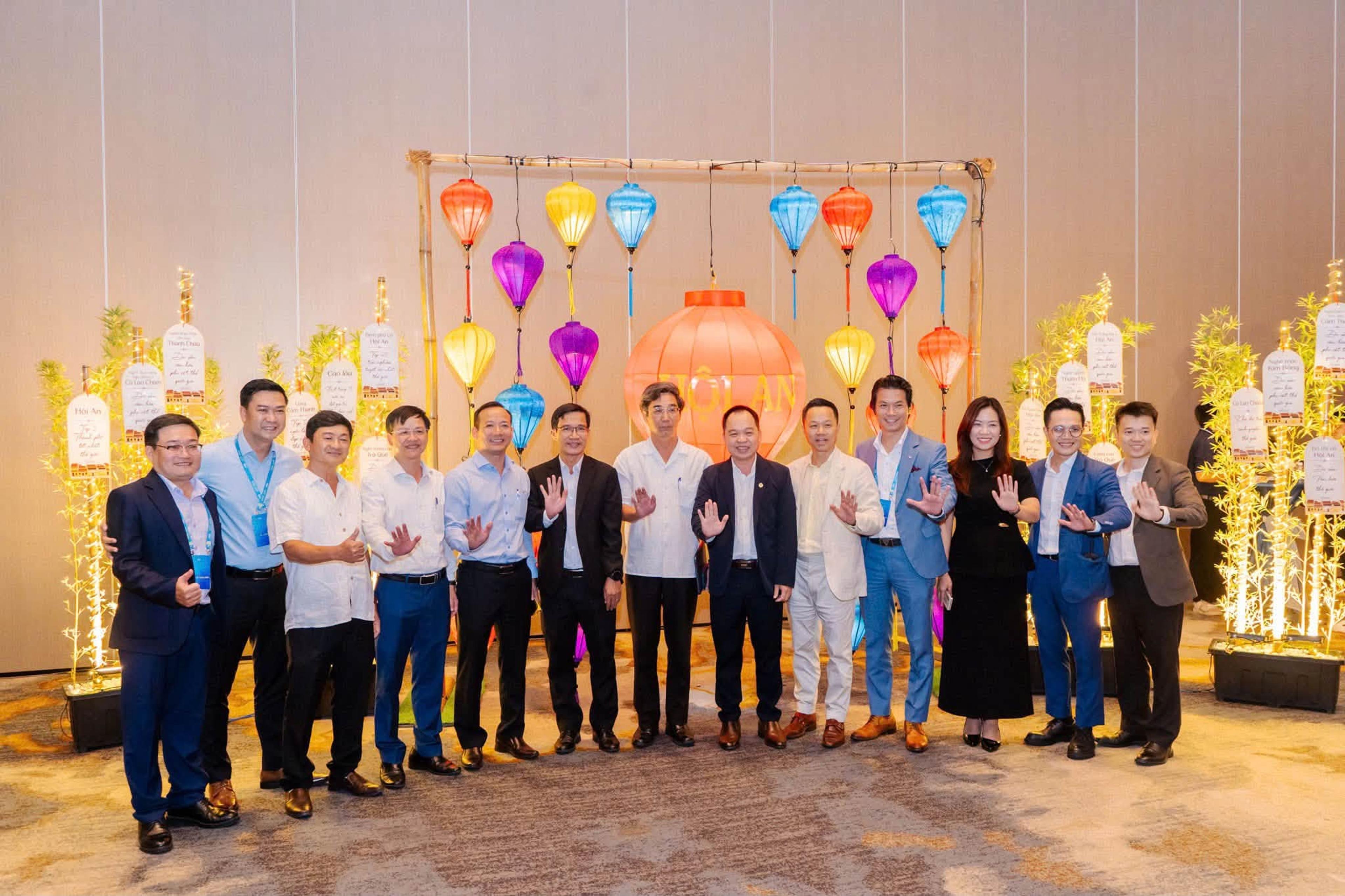
DITF 2026 Day 1: Connecting International Trade, Boosting Da Nang Tourism
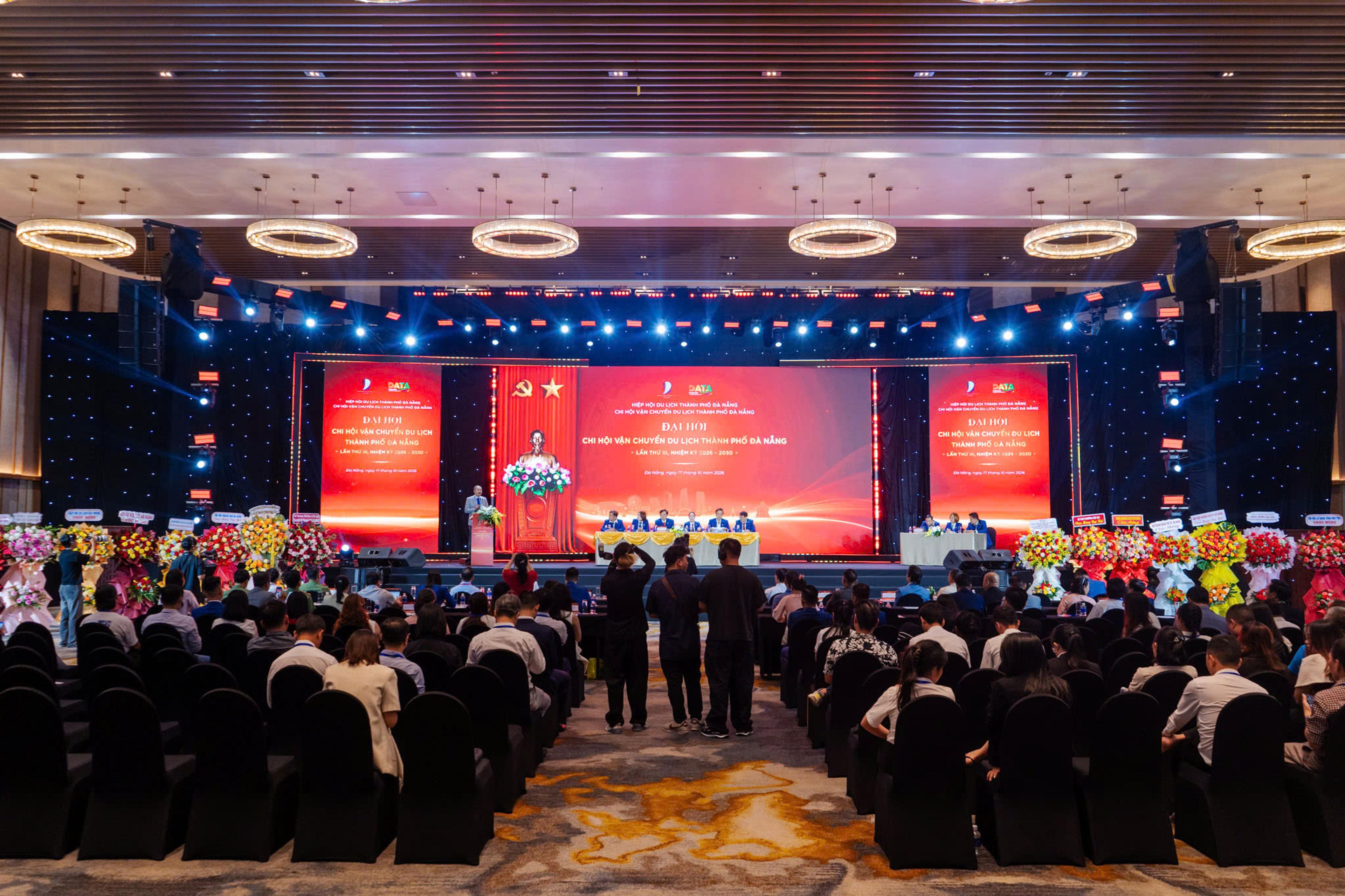
DITF 2026 opened on 17 October at Ariyana Convention Centre Danang, bringing together more than 300 suppliers, 150 international buyers and 400 domestic buyers.
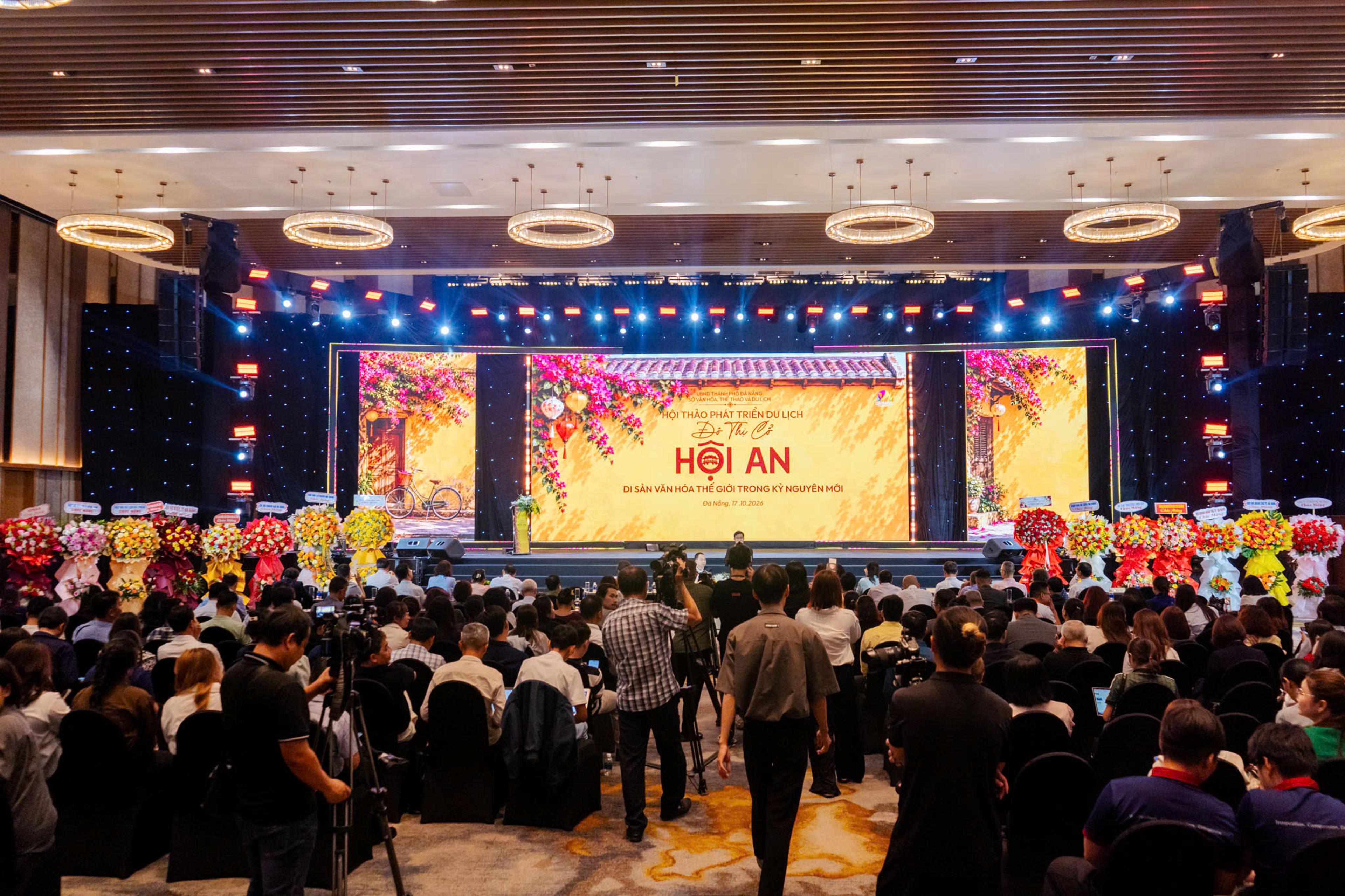
A workshop on tourism development in Hoi An Ancient Town, a World Cultural Heritage site, took place on 17 October at DITF 2026 with nearly 200 delegates.