
Đang tải… / Loading…
Đang tải… / Loading…
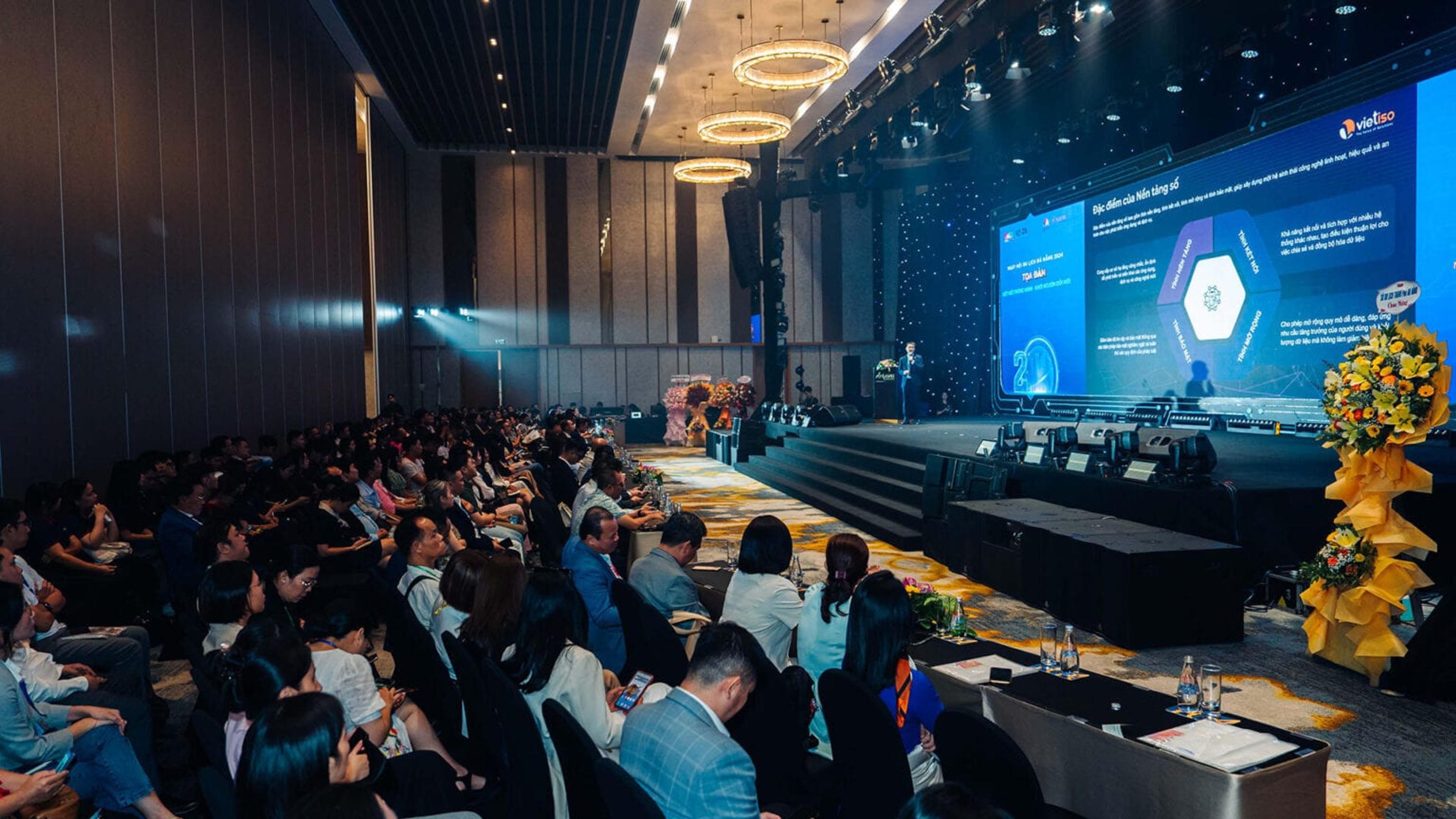
MICE is one of the most valuable segments for any destination, but it is also the one that demands the most complex coordination. A conference group of a few hundred or a few thousand delegates cannot be delivered by a single hotel, convention centre or tour company. Behind every programme stands an entire chain: MICE buyers, DMCs, hotels, convention venues, transport, F&B, production, team-building and many other suppliers.
That is why the value of DITF 2026 for MICE is not simply about generating more meetings. More importantly, the event creates a space where all parties can look at one specific requirement together and quickly shape a solution complete enough to move on to a proposal, a site inspection, a contract and an actual group in 2027.
A MICE buyer rarely goes looking just for a beautiful ballroom or a good room rate. They need to know whether the destination as a whole has the capacity to run the entire programme.
A group of 500, for example, raises a host of questions at once: are there enough rooms, which venue fits, are airport transfers convenient, where can the gala dinner be held, which team-building activities are distinctive enough, can delegates extend their stay by a day or two, and can the whole programme run smoothly within budget?
So a valuable MICE lead is not a request sent to a single supplier. It is an opportunity the whole chain has to solve together.
This is exactly where DITF creates an advantage. When buyers, DMCs, hotels, resorts, convention venues and suppliers are all part of one trade network, a lead can be developed faster and more fully from the very first stage.
In the MICE structure, the DMC plays an especially important role, because it is the party able to connect the buyer's needs with what the destination can actually deliver.
A request such as “500 guests, 4 days 3 nights in Da Nang” is still only a brief. The DMC has to turn that brief into a concrete programme: where guests will stay, where they will meet, how they will get around, where the gala will be, whether golf, wellness or experiential tours should be added, and whether the total cost fits the budget.
When a MICE buyer meets the right DMC at DITF, they find more than a supplier. They find a partner able to stand in the middle, connect the many links and pull the whole service chain into a single proposal.
That is the particular value of a B2B event with the full cast of participants: a lead does not get stuck as an isolated need, but can quickly be turned into a concrete solution.
In MICE, room inventory and meeting capacity almost always go hand in hand.
A large venue without suitable accommodation will struggle to compete for large groups. Conversely, a hotel with plenty of rooms but not enough meeting space will find it hard to meet the full brief.
What the buyer needs to see, therefore, is not two separate spec sheets but the ability to work together as one complete operating package.
This is also an advantage Da Nang can leverage at DITF. With a large stock of 4–5-star accommodation and convention venues able to handle large groups, the city has a strong foundation to serve MICE events of many different sizes. But that foundation only carries real weight when all parties can present a clear plan together: where a group of 300 will stay, how rooms will be allocated for a group of 800, where the gala will be held, how transport will be organised and whether transfer times between sites are reasonable.
MICE buyers do not buy individual components. They buy the ability to run the whole programme.
One notable feature of MICE is that the value of a single lead usually spreads across a great many businesses.
A large group does not only generate revenue for hotels and venues. It also creates demand for transport, restaurants, AV, production, team-building, entertainment, attractions, golf, wellness and many other services.
This matters especially for small and medium-sized businesses in Da Nang.
They may not reach international buyers directly, but if they become a trusted supplier in a chain led by a DMC, hotel or convention venue, they can still share in the value of the group.
DITF therefore does not only open opportunities for those at the top of the chain. It also helps local suppliers find their place within a broader MICE structure.
A big lead can become a shared opportunity for many businesses, provided the parties are able to coordinate.
Unlike leisure, MICE usually has a longer sales cycle with more steps.
A meeting at DITF may only surface the initial requirement. Then comes the proposal. Next there may be a site inspection. Only after that come programme adjustments, budget negotiations, and confirming the venue, room block, F&B and contract terms.
The value of a MICE lead should therefore not be measured by whether you have “met the buyer or not”.
What matters more is what stage the lead is at and whether the next step has been clearly defined.
A good meeting should end with concrete actions: how soon the proposal will be sent, who the follow-up contact is, when the buyer can be invited for a site inspection, and which milestones must be locked in to meet 2027 plans.
In MICE, the speed of follow-up can directly affect the chance of winning a lead. Buyers rarely work with just one destination. If responses are slow, the proposal lacks clarity or coordination between the parties is fragmented, the opportunity can move elsewhere very quickly.
A good proposal can open the door, but the site inspection is when the buyer verifies everything that has been presented.
They need to see the venues, test the transfer routes, view the rooms, assess the gala venue, check the capacity to handle the group and get a feel for how the destination operates.
This is the moment when Da Nang has to “sell” not just a brand, but an entire ecosystem.
Buyers will judge whether the various partners work well together, whether travel times are realistic, whether the supporting products are varied enough and whether the whole itinerary is convincing enough for the end client.
If the site inspection is well organised, a MICE lead can move very quickly into the final negotiation stage.
Famtrips and site inspections are therefore not post-sale tasks. In MICE, they are part of the sales process itself.
The value of MICE does not lie only in the large number of guests.
It lies in the range of spending a single group can generate.
Room nights, meeting packages, F&B, gala dinners, transport, production, team-building, attractions, golf, wellness and pre- and post-event tours can all flow from a single lead.
This allows a MICE group to create a far wider ripple effect than an individual booking.
It is also why DITF matters to Da Nang at the destination level. If the event generates more quality MICE leads and helps the parties develop those leads together through to contract, the value created will not be concentrated in one business but spread across the entire service chain.
In MICE, being a beautiful destination is not enough.
Buyers compare several destinations at once and tend to favour those that respond quickly, with clear proposals, complete solutions and strong coordination.
This is where DITF can create a real advantage.
When DMCs, hotels/resorts, convention venues and suppliers already know one another, understand each other's capabilities and have clear points of contact, the time needed to build a proposal can be cut significantly.
Instead of the buyer having to contact each party one by one, a single point of contact can quickly pull together the right options and respond with a complete proposal.
In a competitive market, that speed is sometimes the very thing that makes the difference.
The greatest value of DITF for MICE probably does not lie in the number of contracts signed during the two days of the event.
What matters more is the pipeline it generates afterwards.
How many buyers request proposals? How many site inspections are scheduled? How many programmes are under negotiation? How many groups are likely to be confirmed for 2027?
If these leads continue to be tracked and nurtured after DITF, the event will be more than just a MICE promotion activity.
It can become the starting point of the MICE sales cycle for the whole destination.
And this is the most valuable opportunity of all when MICE buyers, DMCs, hotels, convention venues and suppliers sit together in one network: an initial requirement can be developed by the whole ecosystem into a complete programme, a contract and, ultimately, a real group travelling to Da Nang in 2027.
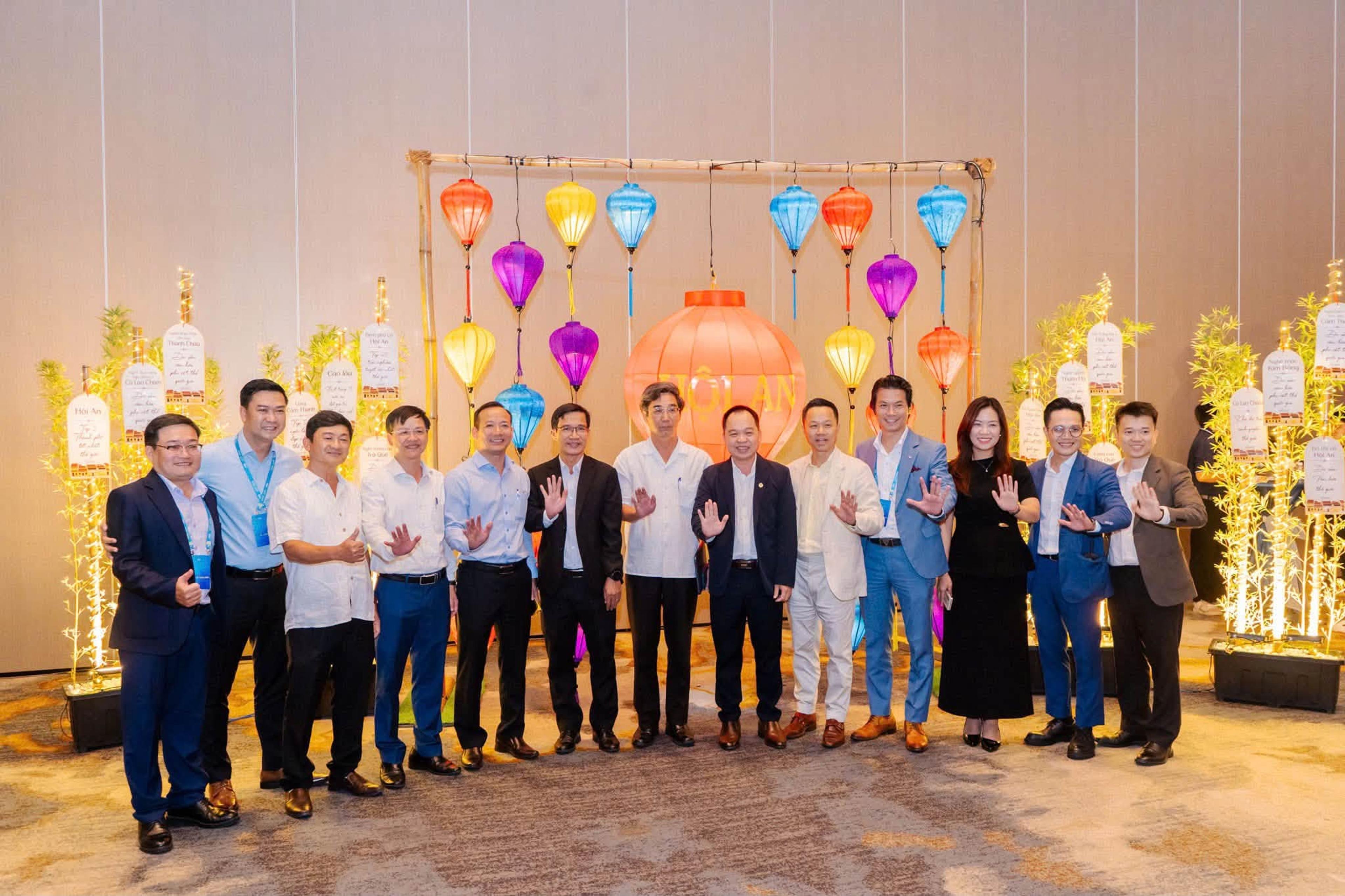
DITF 2026 Day 1: Connecting International Trade, Boosting Da Nang Tourism
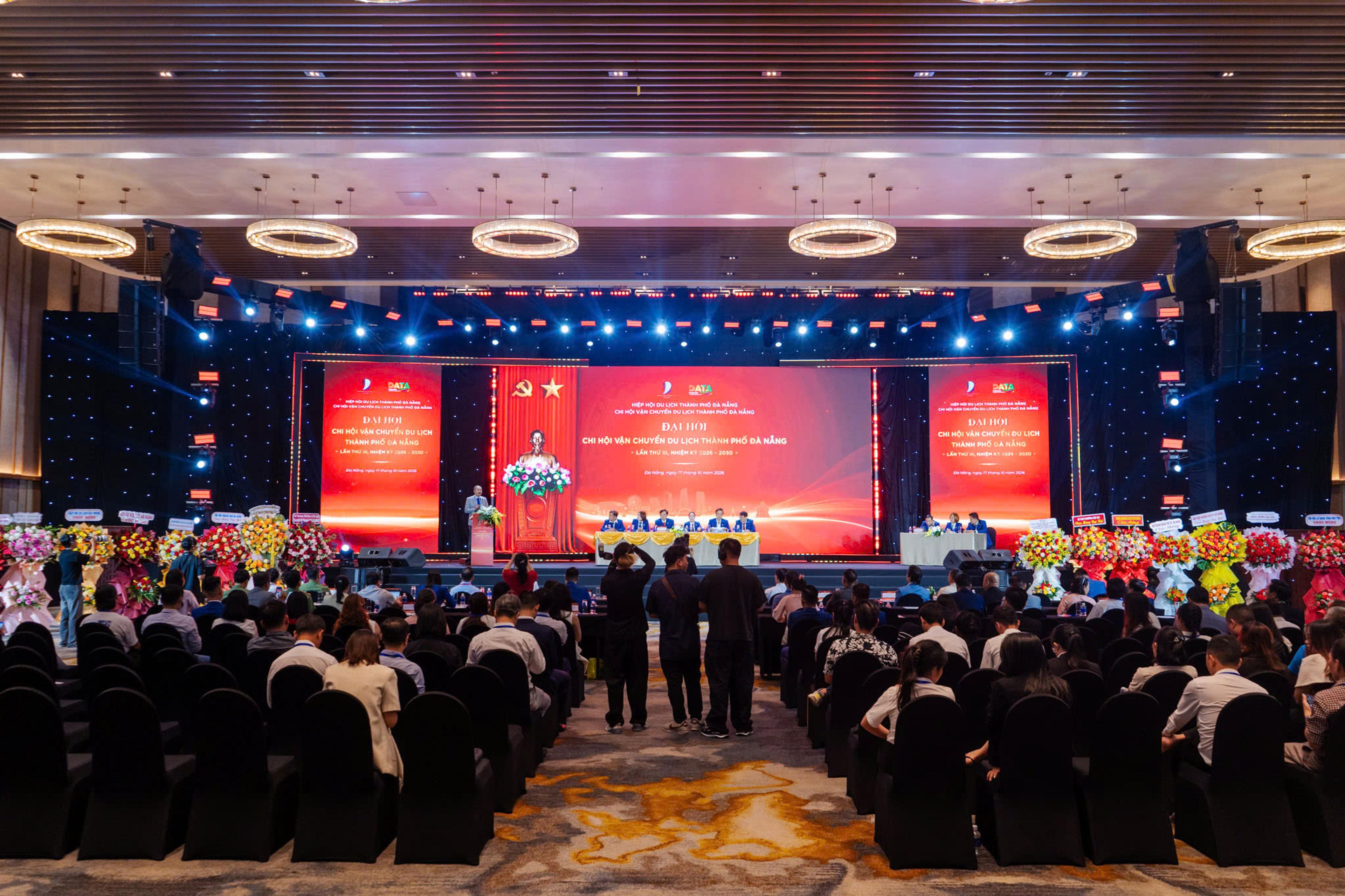
DITF 2026 opened on 17 October at Ariyana Convention Centre Danang, bringing together more than 300 suppliers, 150 international buyers and 400 domestic buyers.
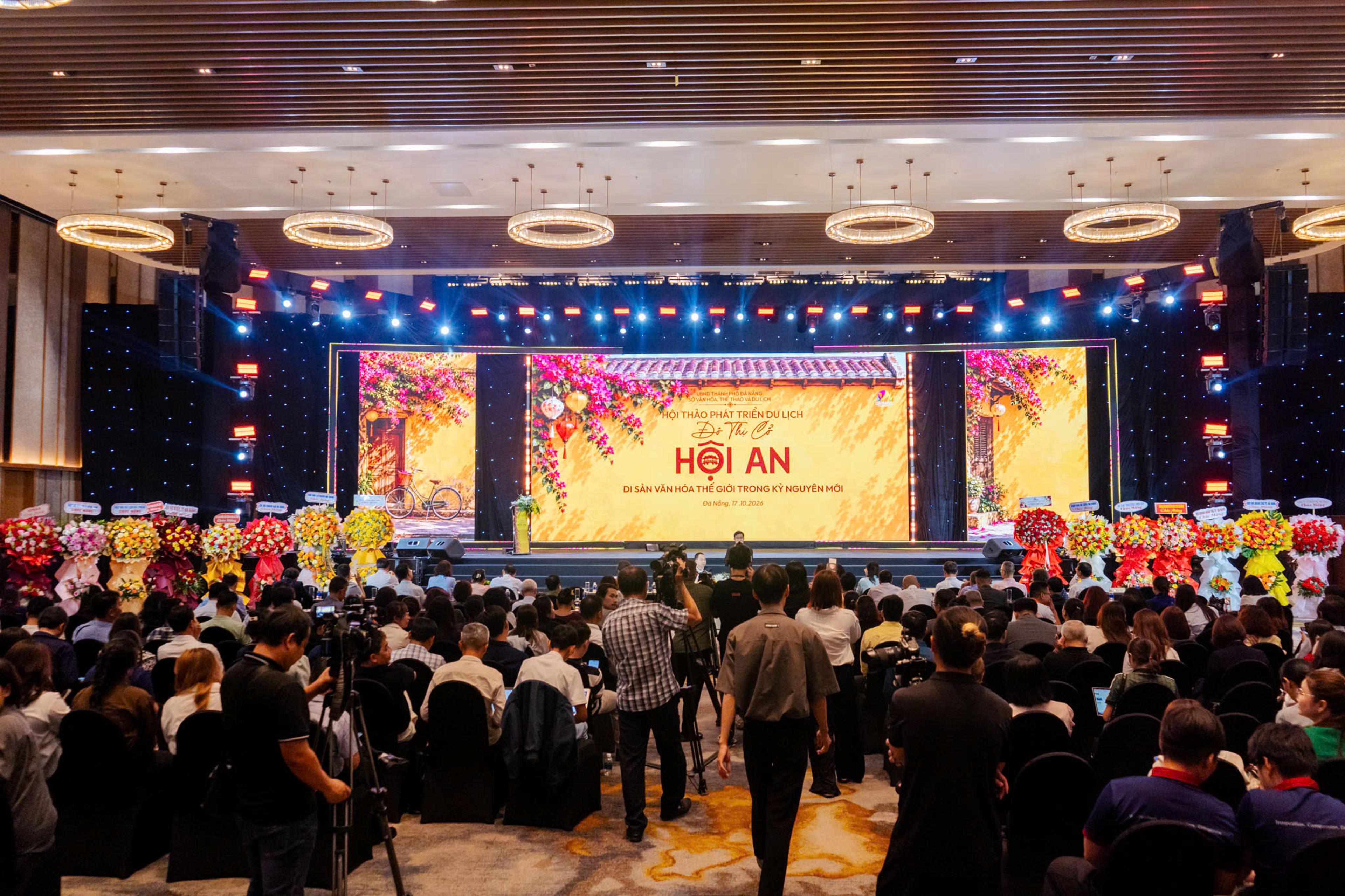
A workshop on tourism development in Hoi An Ancient Town, a World Cultural Heritage site, took place on 17 October at DITF 2026 with nearly 200 delegates.